


Introduction
Managing online payments has become an essential part of running a successful digital business. As companies expand their customer base, the number of transactions, payment-related questions, refunds, and technical concerns also increases. Customers expect quick answers whenever they face difficulties during checkout, experience a failed payment, or need clarification about a transaction. For growing businesses, handling these queries efficiently is important for maintaining customer satisfaction and building long-term trust. This is where Stripe Chat becomes a useful topic for businesses looking to understand and simplify payment-related communication.
Digital payment platforms have made online transactions more convenient, but payment management can still involve complicated situations. A customer might see a pending transaction even after placing an order, while another may receive a payment confirmation without immediately seeing an updated order status. Businesses also need to understand processing fees, refund timelines, dispute notifications, and payment failures. Having access to clear support and accurate transaction information can help business owners resolve these situations without unnecessary confusion.
As online commerce continues to develop, businesses need better ways to connect payment information with customer support processes. Understanding how Stripe’s customer support resources, payment dashboard, and communication tools work can help companies manage transaction queries more effectively. Rather than treating every payment concern as a separate problem, businesses can develop organized processes that make payment operations easier to understand and maintain.
Understanding the Importance of Transaction Support in Online Businesses
Transaction support plays an important role in the overall customer experience. When customers make purchases online, they expect the payment process to be straightforward, secure, and transparent. However, unexpected issues can occur even when a business uses a reliable payment processing system. These issues may include declined cards, duplicate payment attempts, delayed refunds, incorrect billing information, or temporary payment authentication problems.
For a growing business, even a small number of unresolved payment queries can create operational difficulties. Customer support representatives may spend considerable time checking transaction records, reviewing order information, and explaining payment statuses. If the company does not have an organized approach, customers might receive inconsistent answers from different support representatives. A structured support system helps reduce this confusion and allows employees to investigate issues using accurate information.
Another important consideration is customer confidence. People are more likely to purchase from a business when they believe their payment information is being handled responsibly. Clear explanations about payment processing, refund procedures, and transaction statuses can reduce uncertainty. This becomes particularly important for businesses operating internationally, where different currencies, banks, and payment methods may introduce additional complications.
What Is Stripe Chat and How Does It Relate to Payment Support?
Stripe Chat refers to the concept of using chat-based communication and support to address questions connected with Stripe payment services. It is important to understand that this keyword does not necessarily represent a separate, standalone Stripe product. Stripe provides different customer support resources, documentation, and account-management tools, while the exact support channels available can depend on the account, region, and issue.
For businesses using Stripe, effective communication can make payment management considerably easier. When a merchant experiences a problem, the first step is usually to identify the transaction, review its current status, and understand what caused the issue. Access to the appropriate support resources can help merchants investigate unfamiliar payment behavior and determine the next steps.
For example, imagine an online clothing store receiving a message from a customer who claims that money was deducted from their bank account, but the order confirmation never arrived. The business needs to check whether the payment succeeded, whether the transaction remains incomplete, or whether the order-management system failed to update. Reviewing payment records and communicating clearly with the customer helps prevent incorrect refund decisions and unnecessary payment attempts.
The main purpose of a well-organized communication process is to connect customer questions with reliable payment information. This allows businesses to handle complicated situations more confidently while maintaining a professional relationship with their customers.
How Stripe Chat Helps Simplify Complex Transaction Queries
Understanding Payment Status More Clearly
One of the most common payment-related questions concerns transaction status. Customers often want to know whether their payment has been completed, is still processing, or has failed. These situations can become confusing because the information displayed by a bank, payment processor, and merchant website may not always update simultaneously.
Stripe’s payment records provide merchants with information that can help them investigate these situations. Depending on the transaction, businesses can review payment statuses, payment attempts, and related details through their dashboard. This information helps support representatives explain what has happened instead of relying entirely on customer descriptions.
For example, if a customer reports that an order has not been confirmed, the support team can check the associated payment record before taking action. If the payment succeeded, the problem might be related to order synchronization. If the payment failed, the customer may need to try another payment method. Understanding these differences helps avoid unnecessary confusion.
Handling Refund-Related Questions
Refund requests are another common source of customer inquiries. Customers generally want to know whether their refund has been initiated, how long it will take, and whether the amount will return to their original payment method. These questions become particularly important for businesses that process a large number of orders every day.
A clear support process helps employees explain the difference between a refund being created and the funds appearing in the customer’s bank account. Refund processing times can depend on the payment method, financial institution, and other circumstances. Therefore, businesses should avoid promising an exact arrival date unless they have reliable information.
Communication through Stripe Chat can be understood as part of a broader approach to answering these questions using transaction records and accurate refund information. When support teams explain the process clearly, customers are less likely to become frustrated by delays outside the merchant’s direct control.
Investigating Failed Transactions
Failed payments can affect both sales performance and customer confidence. A transaction might fail because of insufficient funds, incorrect card information, bank restrictions, authentication requirements, or other payment-related issues. Without proper investigation, businesses may struggle to determine whether the problem originated with the customer, the issuing bank, or the payment process.
Payment records can help merchants identify available failure information and understand the next appropriate action. Instead of asking customers to repeatedly attempt the same transaction, support representatives can provide practical guidance based on the information available.
This approach is especially valuable for subscription-based businesses. A failed recurring payment might interrupt a customer’s access to a service, making it important to communicate the issue and explain how the payment can be updated.
Key Transaction Problems and Their Possible Solutions
Growing online businesses regularly encounter payment-related questions that require careful investigation. Understanding common situations makes it easier for support teams to respond consistently.
| Common transaction query | Possible reason | Recommended business response |
|---|---|---|
| Payment declined | Bank restrictions or incorrect card details | Review the failure information and suggest another payment method |
| Refund delayed | Bank or payment processing time | Check the refund status and explain the expected process |
| Duplicate payment concern | Multiple payment attempts or authorization holds | Compare transaction records before initiating a refund |
| Payment pending | Incomplete processing or authentication | Review the payment status and provide an appropriate update |
| Order confirmation missing | Website or payment synchronization issue | Verify the transaction and investigate the order system |
These examples demonstrate why transaction information should always be checked before providing a final answer. A payment that appears twice on a customer’s banking application does not automatically mean that two successful charges have been completed. Similarly, a delayed order confirmation does not necessarily indicate a failed payment.
Why Growing Businesses Need Better Payment Communication
As a business expands, its payment operations naturally become more complicated. A small online store might initially handle customer questions through a single person. However, as daily orders increase, the same approach may become difficult to maintain. Different employees might manage refunds, billing questions, technical problems, and customer complaints, creating a need for consistent communication.
A well-organized support process ensures that every query follows a logical path. Employees should know how to identify a transaction, verify customer information, check payment details, and communicate the outcome. This reduces the possibility of providing incorrect information or taking unnecessary actions.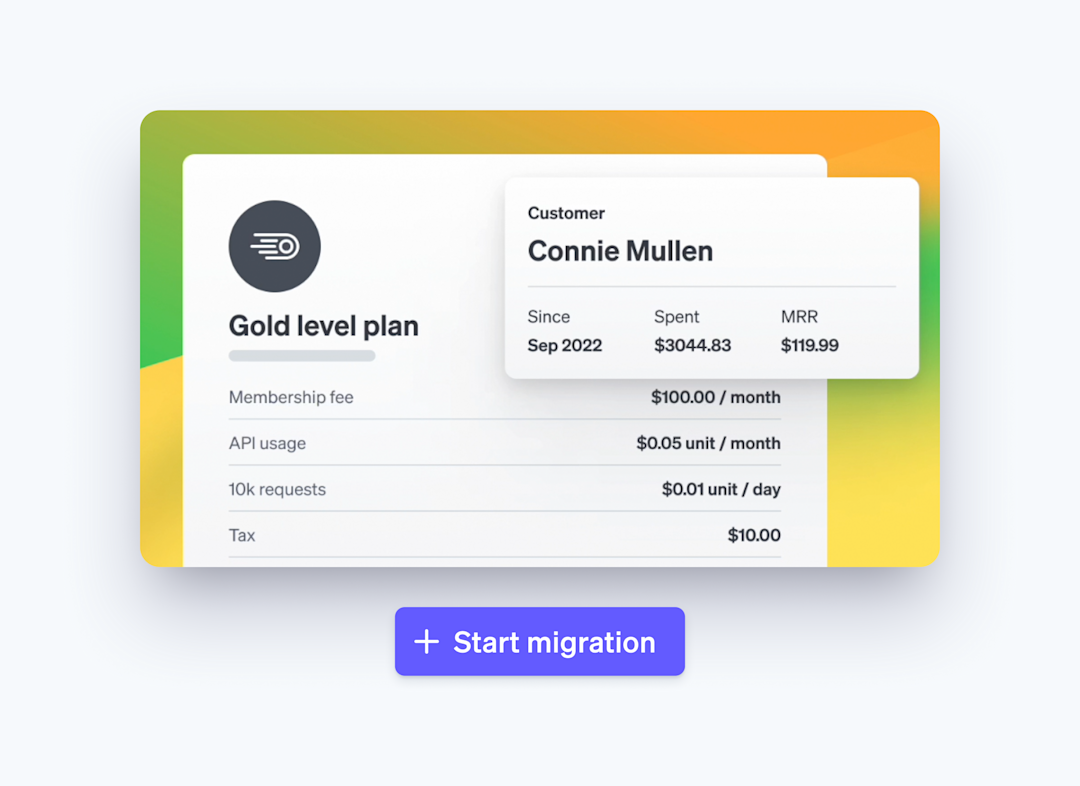
Another benefit is improved operational efficiency. When employees understand where to find relevant transaction information, they spend less time investigating routine questions. This gives them more time to focus on complicated customer concerns and business development activities.
Stripe Chat can be considered part of this broader support strategy because it highlights the importance of accessible communication when managing payment-related questions. Businesses should also establish internal guidelines so that customer support representatives understand which problems they can resolve independently and which require additional investigation.
Practical Ways to Improve Payment Query Management
Businesses do not always need complicated systems to improve payment communication. A few consistent practices can make a noticeable difference in the way transaction-related questions are handled.
1. Maintain Accurate Transaction Records
Keeping payment and order information organized is essential for resolving customer complaints. Businesses should ensure that transaction identifiers, order numbers, payment statuses, and refund records can be accessed by authorized employees. Accurate records make it easier to identify the source of a problem and prevent repeated investigations.
2. Train Customer Support Representatives
Employees should understand basic payment terminology, including authorization, capture, refund, dispute, and failed payment. This knowledge allows them to explain payment situations in simple language. Regular training also helps teams understand how to use payment dashboards responsibly.
3. Create Consistent Response Procedures
Businesses should develop standard procedures for frequently reported issues. For instance, a refund inquiry should follow a defined process involving transaction verification, refund-status checking, and customer communication. Consistency improves response quality and reduces mistakes.
4. Protect Customer and Payment Information
Security should remain a priority throughout every support interaction. Employees should never request complete card numbers, security codes, passwords, or other sensitive authentication information through ordinary chat messages. Customer identity should be verified using appropriate business procedures before account-specific details are discussed.
The Role of Automation in Modern Payment Support
Automation is changing the way online businesses manage customer communication. Modern support platforms can automatically categorize incoming messages, provide answers to frequently asked questions, and direct complicated cases to the appropriate employees. These capabilities can reduce the time spent handling repetitive inquiries.
For example, an online subscription company may receive dozens of questions every day about billing dates and payment confirmation. A properly configured support system can provide general information about subscription billing, while more complicated account-specific concerns can be assigned to a human representative.
Automation can also help businesses organize their internal workflows. Customer messages can be categorized according to their subject, allowing payment-related concerns to reach employees who understand transaction management. However, automation should not replace careful investigation when a query involves a disputed payment, suspected fraud, or an unusual transaction.
Businesses exploring Stripe Chat should understand that chat automation and Stripe payment processing are separate capabilities unless they have been connected through an appropriate integration. A business may use a third-party communication platform alongside Stripe, but it should verify the available integration features before assuming that payment information will automatically appear inside a chat system.
Security and Privacy Considerations During Transaction Queries
Payment security is an essential part of building customer trust. When customers contact a business about a transaction, they may share order details, billing information, or screenshots of their banking applications. Support representatives must handle this information carefully and avoid collecting unnecessary personal data.
Stripe provides security-focused payment infrastructure, but businesses also have responsibilities when managing customer information. They should restrict dashboard access according to employee roles, use strong authentication practices, and review account permissions regularly. These measures help reduce the possibility of unauthorized access.
Another important practice is separating general support communication from sensitive account verification. A chat conversation can help explain common payment procedures, but it should not become a place where customers are asked to share confidential financial information. Businesses should use approved verification processes and secure payment interfaces whenever account-specific actions are required.
Growing companies should also review their internal data-retention policies. Customer conversations should be stored only when necessary and handled according to applicable privacy requirements. Taking these precautions helps businesses maintain professional support standards while reducing unnecessary security risks.
How Stripe Chat Can Support Different Types of Online Businesses
The importance of transaction communication can vary depending on the business model. An e-commerce store, for example, may receive questions about order payments, partial refunds, shipping-related cancellations, and duplicate charges. Its support team needs to connect payment records with order information to provide accurate answers.
Subscription businesses face a different set of challenges. Their customers may ask about recurring billing, failed renewals, changes to payment methods, or unexpected charges. A structured support process helps explain billing cycles and provides clear instructions when payment information needs updating.
Digital service providers also benefit from organized payment communication. Customers purchasing software, online courses, or digital memberships may experience problems with account activation after making a successful payment. In such cases, the business needs to determine whether the issue involves payment processing or the delivery of the purchased service.
| Business type | Common payment concern | Support priority |
|---|---|---|
| E-commerce stores | Refunds and order payments | Connect payment records with orders |
| Subscription platforms | Recurring payment failures | Explain billing and renewal status |
| SaaS companies | Access after payment | Verify payment and account activation |
| Digital marketplaces | Seller payouts and disputes | Review transaction and payout information |
Although these businesses operate differently, they share one important requirement: customers need understandable answers when something goes wrong with a transaction.
Common Mistakes Businesses Should Avoid
Even businesses with reliable payment infrastructure can create unnecessary problems through poor support practices. One common mistake is assuming that every pending transaction represents a completed charge. Payment statuses must be checked carefully before a merchant promises a refund or asks the customer to make another payment.
Another mistake is providing generic answers without reviewing the actual transaction. Customers expect businesses to understand their concerns rather than repeatedly sending unrelated instructions. Support representatives should use the available information to investigate each case and explain the findings clearly.
Businesses should also avoid making unrealistic promises about refund completion, payment approval, or bank processing times. These processes can involve external financial institutions, meaning that merchants do not always control the final timeline.
Finally, companies should not depend entirely on automated responses for complicated payment problems. Automation is useful for routine questions, but sensitive issues involving disputes, suspicious transactions, or account restrictions require appropriate human attention.
Future of Chat-Based Payment Support for Online Businesses
The future of digital payment support is likely to involve greater integration between communication platforms, payment management systems, and automated customer service tools. Businesses increasingly want to understand customer concerns without switching between multiple applications or manually searching through unrelated records.
Artificial intelligence may also improve the way support teams categorize payment questions and identify relevant information. For instance, an AI-powered support system could recognize whether a customer is asking about a refund, a failed transaction, or recurring billing. It could then direct the inquiry to an appropriate workflow or provide general guidance based on approved information.
However, these developments also introduce responsibilities. Businesses must ensure that automated systems do not expose sensitive transaction details or provide inaccurate financial information. Human oversight will remain important when a payment issue requires judgment, verification, or a decision involving customer funds.
For growing businesses, the most practical approach is to combine reliable payment infrastructure with clear communication, responsible automation, and well-trained support teams. This combination can help companies handle increasing transaction volumes without compromising customer experience.
Conclusion
Managing transaction queries effectively is an important part of building a successful online business. As digital commerce grows, customers expect clear information about payment confirmations, failed transactions, refunds, recurring billing, and other financial activities. Businesses that fail to address these questions properly may experience unnecessary complaints, operational delays, and reduced customer confidence.
Stripe Chat represents an important concept within this changing support environment, highlighting how accessible communication can help businesses understand and resolve complicated payment-related concerns. However, merchants should distinguish between Stripe’s official payment and support resources and separate third-party chat solutions. Choosing appropriate tools, maintaining accurate transaction records, and following secure communication practices are essential for effective payment management.
Ultimately, successful payment support is not just about responding quickly. It is about providing accurate information, understanding the customer’s problem, and offering a practical solution. By combining organized workflows, secure payment practices, and helpful communication, growing online businesses can create a smoother transaction experience and establish stronger relationships with their customers.