


Introduction
The e-commerce industry has changed significantly as consumers increasingly prefer convenient, secure, and personalized shopping experiences. Customers now expect online stores to provide simple checkout processes, multiple payment methods, transparent pricing, and reliable transaction experiences. Even when a business offers high-quality products at competitive prices, a complicated payment process can discourage customers from completing their purchases. This makes payment technology an essential part of modern online retail. Stripe has become an important name in this environment by providing payment infrastructure that helps businesses manage online transactions and create flexible purchasing experiences.
Today’s customers have different preferences when it comes to paying for products and services. Some prefer credit and debit cards, while others use digital wallets, bank-based payment methods, or locally preferred options. Businesses operating across different markets must consider these differences to provide a convenient checkout experience. Flexible payment technology allows online retailers to respond to changing customer expectations without building an entirely new payment system for every market. Understanding how these solutions work helps explain why payment flexibility has become an important factor in e-commerce growth.
Understanding the Importance of Flexible Payments in E-Commerce
Flexible payments refer to the ability of an online business to offer different ways for customers to complete transactions. Instead of restricting shoppers to a single payment option, retailers can provide methods that match different preferences, locations, and purchasing habits. This flexibility is particularly important because online customers often make purchasing decisions based on convenience. If their preferred payment method is unavailable, they may abandon the checkout process and look for another retailer.
For example, a customer shopping from a mobile device may prefer using a digital wallet rather than manually entering card information. Another customer purchasing an expensive product may appreciate installment-based payment options when the merchant offers an appropriate provider. International customers may prefer local payment methods that they already understand and trust. By accommodating these differences, businesses can make the purchasing process more accessible and reduce unnecessary barriers between product selection and completed orders.
Flexible payment experiences are therefore not simply additional technical features. They are part of the overall customer journey. A well-designed payment system should work naturally with the shopping experience, allowing customers to understand the available options and complete transactions without unnecessary confusion.
How Stripe Supports Modern E-Commerce Businesses
Payment infrastructure plays an important role in connecting online stores, customers, financial institutions, and payment networks. Stripe provides technology that allows businesses to accept payments, manage transactions, and integrate payment functionality into websites and applications. Its services are designed to support different business models, including online retailers, subscription platforms, digital service providers, and growing international businesses.
One of the important advantages of this approach is flexibility. Businesses can use ready-made payment interfaces or integrate payment functionality into their existing digital platforms. This gives companies different levels of control over the checkout experience. A small online retailer may prefer a straightforward payment integration, while a larger marketplace may require more customized payment workflows and transaction management capabilities.
Another valuable aspect is the ability to manage different payment-related activities within a connected infrastructure. Businesses may need to process payments, handle refunds, monitor transactions, and manage recurring billing. Having tools that support these activities can reduce operational complexity and make payment administration easier as a company grows.
Different Payment Options and Their Role in Customer Convenience
Card Payments and Digital Wallets
Credit and debit cards remain important payment methods in online shopping. Many customers are familiar with card payments and appreciate the convenience of entering their details during checkout. However, manually entering payment information is not always the fastest option, especially for customers shopping through smartphones.
Digital wallets provide another convenient approach. Depending on the customer’s device, location, and merchant integration, options such as Apple Pay and Google Pay can make checkout quicker by reducing the need to enter payment details manually. These methods may also use device-level authentication, adding another layer of convenience to the purchasing process.
Providing multiple payment choices can make an online store more accommodating. Customers can select the method that best suits their preferences instead of adjusting their habits to match the limitations of a particular website.
Local and International Payment Methods
International e-commerce businesses must consider the different payment habits of customers in various countries. A payment option that is popular in one market may not be widely used elsewhere. Local payment methods can therefore make a significant difference when businesses expand into new regions.
For example, shoppers in different countries may prefer local bank transfers, digital wallets, or other region-specific payment solutions. Supporting suitable payment methods can help international customers feel more comfortable during checkout. It can also make an online store more accessible to people who do not regularly use international credit cards.
Stripe supports a range of payment methods depending on the business location, customer market, account eligibility, and product configuration. Businesses should evaluate the available options carefully before deciding which methods to offer.
Key Features That Make Flexible Payment Experiences Valuable
A modern payment system needs to provide more than basic transaction processing. It should support the wider requirements of online businesses, including customer convenience, operational efficiency, and transaction management. Stripe offers several capabilities that can contribute to these objectives.
One important capability is payment integration. Businesses can connect payment functionality with websites, applications, and other digital platforms. Depending on their technical requirements, they can choose a more standardized checkout experience or build a customized interface. This flexibility is useful for companies that want to maintain a consistent brand identity throughout the shopping journey.
Another important capability is payment management. Online retailers regularly deal with successful transactions, declined payments, refunds, disputes, and other payment-related activities. A connected payment infrastructure can help businesses monitor these processes and organize transaction information more effectively.
The following features demonstrate how flexible payment technology can support e-commerce operations:
- Multiple payment methods: Give customers different ways to complete purchases.
- Checkout customization: Adapt the payment experience to the design and needs of an online store.
- Recurring billing: Support subscription-based products and services.
- Transaction management: Help businesses monitor payments, refunds, and related activities.
- Payment integration: Connect payment functionality with websites and digital applications.
These capabilities can help businesses create a payment experience that matches their operational requirements while keeping customer convenience in focus.
The Relationship Between Checkout Experience and Conversion Rates
The checkout process is one of the most important stages of an online shopping journey. Customers may spend considerable time comparing products, reading descriptions, checking reviews, and adding items to their shopping carts. However, all that effort can be wasted if the final payment process becomes difficult.
A complicated checkout can introduce several problems. Customers may encounter unnecessary form fields, confusing payment instructions, unexpected charges, or unavailable payment methods. Each additional obstacle can increase the possibility of cart abandonment. A straightforward checkout experience helps customers understand what they are paying for and how they can complete their purchases.
Payment technology can support a smoother process by offering suitable payment choices and reducing unnecessary steps. For example, saved payment information, supported digital wallets, and clear transaction instructions can make repeat purchases more convenient. However, businesses should remember that checkout performance also depends on website speed, product pricing, shipping information, and overall customer trust.
The objective should not simply be to make payments faster. It should be to make the entire purchasing experience understandable, transparent, and reliable.
How Payment Flexibility Supports International Business Growth
Expanding into international markets creates opportunities for online businesses, but it also introduces new operational challenges. Companies must consider different currencies, payment preferences, regulations, tax requirements, and customer expectations. A payment system that works effectively in one country may not provide the same experience in another.
International payment infrastructure can help businesses manage transactions from different markets while organizing payment information through connected systems. Stripe offers capabilities that support businesses operating across multiple regions, subject to its country availability, supported currencies, and applicable requirements.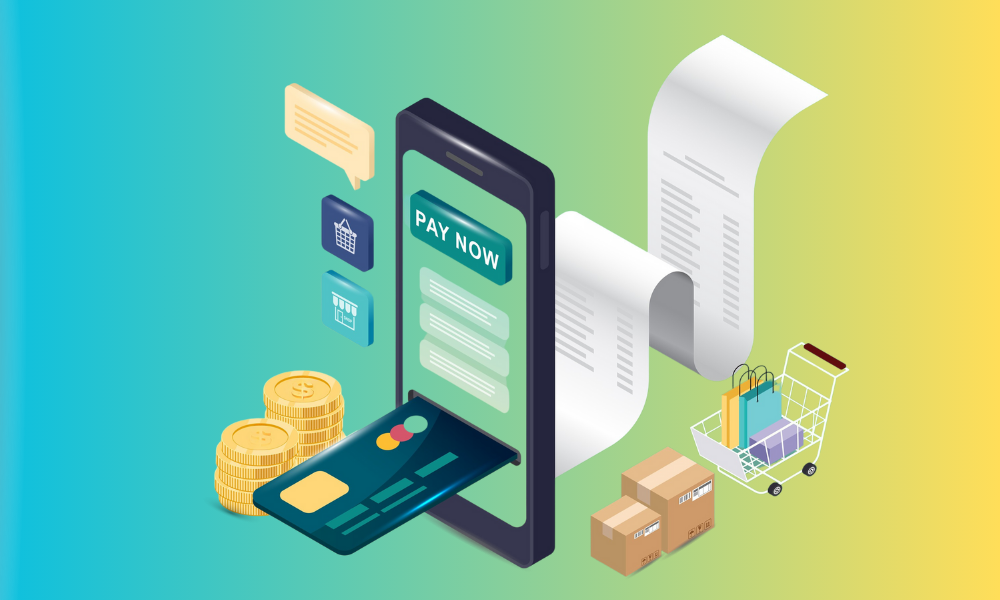
Currency handling is particularly important for international retailers. Customers generally prefer understanding prices in familiar currencies because it makes purchasing decisions easier. Businesses also need to understand how currency conversion, settlement, and related fees affect their financial operations.
| Payment consideration | Importance for e-commerce | Business benefit |
|---|---|---|
| Multiple payment methods | Supports different customer preferences | Greater payment flexibility |
| Currency support | Helps international customers understand prices | Better market accessibility |
| Local payment options | Matches regional shopping habits | More familiar checkout experiences |
| Payment security | Helps protect transaction information | Greater customer confidence |
| Transaction reporting | Organizes payment-related information | Improved financial visibility |
Businesses should review the availability and conditions of individual payment methods before entering a new market. International expansion requires more than simply activating additional payment options; it also involves understanding local regulations and customer expectations.
Security and Trust in Online Transactions
Security is one of the most important considerations in digital payments. Customers need confidence that their payment information will be handled responsibly whenever they purchase products online. If an online store appears unreliable or provides unclear payment instructions, shoppers may hesitate to share their financial details.
Payment security involves several interconnected practices, including secure data transmission, appropriate authentication, fraud monitoring, and compliance with relevant industry standards. Stripe provides payment infrastructure with security-related capabilities designed to help businesses manage payment information and reduce certain transaction risks.
For example, businesses can benefit from payment processing approaches that reduce the need to directly handle sensitive card information. Depending on the integration, tokenization and other security measures can help limit exposure of payment credentials. Additional authentication methods may also be available for transactions that require stronger verification.
However, using a payment provider does not remove every security responsibility from an online retailer. Businesses must still protect customer accounts, secure their websites, manage access permissions, and follow applicable data protection requirements. Maintaining clear refund policies and transparent payment information also contributes to customer confidence.
The Value of Payment Flexibility for Different Business Models
Different e-commerce businesses have different payment requirements. A small online clothing store may primarily need a reliable checkout process, while a subscription-based software company may require automated recurring billing. A marketplace may need to manage transactions involving multiple sellers, whereas an international retailer may prioritize local payment methods.
Payment flexibility allows businesses to select capabilities according to their operating models. This can be especially valuable for companies that expect their requirements to change over time. Rather than designing every payment process from the beginning, businesses can build on existing payment infrastructure and introduce additional functionality as needed.
Small and Medium-Sized Businesses
Smaller retailers often operate with limited technical resources. They need payment solutions that are reasonably straightforward to implement and maintain. A payment integration that reduces development complexity can help these businesses concentrate on inventory, customer service, marketing, and product development.
Flexible payment options can also help smaller retailers serve customers with different purchasing preferences. For example, an online store selling accessories may attract customers who prefer cards as well as those who prefer supported digital wallets. Providing appropriate choices can make the store more convenient without requiring a completely different checkout process for every customer.
Subscription and Digital Service Businesses
Subscription businesses depend on recurring payments rather than individual one-time purchases. Their payment requirements may include billing schedules, subscription changes, renewals, and failed payment management. A suitable billing system can help organize these activities and reduce manual administrative work.
Digital service providers may also need to manage different pricing plans, customer upgrades, and recurring service charges. Payment infrastructure that supports these processes can help companies create more predictable billing operations and improve the customer experience.
Large E-Commerce Platforms and Marketplaces
Larger platforms often have more complicated payment requirements. They may handle high transaction volumes, different currencies, multiple sellers, and varied customer segments. Their systems need to support reliable transaction processing while providing appropriate reporting and operational controls.
A flexible payment infrastructure can help these businesses manage more advanced workflows. However, implementation should be planned carefully because larger payment operations often involve additional compliance, accounting, fraud prevention, and customer support requirements.
Common Challenges Businesses Should Consider
Although flexible payment technology provides several advantages, implementing a payment solution still requires careful planning. Businesses should not assume that adding more payment methods will automatically improve their results. Every additional option should serve a clear customer or operational need.
One challenge is integration complexity. Customized checkout experiences may require technical development, testing, and ongoing maintenance. Businesses should evaluate their development resources before selecting an integration method. They should also test the payment experience across different browsers, screen sizes, and devices.
Another consideration is transaction cost. Payment processing fees, currency conversion charges, dispute-related expenses, and other applicable costs can influence business profitability. Companies should review the pricing structure relevant to their location and transaction types rather than making decisions based only on advertised features.
Availability is another important factor. Not every payment method is supported in every country, and certain features may depend on business eligibility or account configuration. Businesses should also consider local financial regulations and consumer protection requirements before introducing new payment options.
How Stripe Fits Into the Future of E-Commerce Payments
The future of online payments is likely to be shaped by mobile shopping, digital wallets, international commerce, automation, and changing customer expectations. Consumers increasingly expect payment experiences to be consistent across websites, applications, and devices. Businesses therefore need infrastructure that can adapt as purchasing habits evolve.
Stripe is relevant to this development because its payment ecosystem supports businesses that want to manage online transactions through integrated technology. Its broader capabilities cover payment acceptance, billing, financial management, and other business-related payment workflows. The exact features available depend on the market and the services selected by each business.
Artificial intelligence and automation may also influence payment operations in the coming years. Businesses are exploring ways to identify unusual transaction patterns, improve fraud detection, and understand customer payment behavior. These developments may help retailers make better operational decisions, although automated systems must be monitored carefully to avoid incorrect transaction decisions and unfair customer experiences.
Another growing priority is the balance between convenience and security. Customers want quick transactions, but they also expect appropriate protection for their financial information. Future payment experiences will need to deliver both without making checkout unnecessarily complicated.
Best Practices for Creating a Better E-Commerce Payment Experience
Businesses should approach payment optimization as an ongoing process rather than a one-time technical task. Customer preferences, device usage, transaction patterns, and market conditions can change over time. Regularly reviewing payment performance can help retailers identify problems and improve the purchasing experience.
A useful starting point is understanding the target audience. Businesses should examine which payment methods their customers prefer and whether the available options match those expectations. They should also review checkout abandonment, declined transactions, and customer feedback to identify potential weaknesses.
Testing is equally important. A payment process should be checked before launch and monitored after implementation. Businesses should confirm that payment instructions are clear, error messages are understandable, and customers can easily identify the final amount they will be charged.
Ultimately, the best payment experience is one that makes purchasing straightforward without compromising security or transparency. Stripe can provide useful infrastructure for building such experiences, but successful implementation depends on selecting appropriate features and managing them effectively.
Conclusion
Flexible payment experiences have become an important part of the modern e-commerce industry because customers expect convenience, choice, transparency, and security when shopping online. Businesses that understand these expectations can create smoother checkout journeys and make their products more accessible to different customer groups.
Stripe provides payment infrastructure that supports online transactions, multiple payment methods, recurring billing, and various business payment requirements. Its flexibility can help small retailers, subscription companies, international businesses, and larger e-commerce platforms manage their payment operations according to their needs.
However, selecting a payment solution should involve more than considering its available features. Businesses must also evaluate transaction costs, supported markets, security responsibilities, integration requirements, and customer preferences. A successful payment strategy combines suitable technology with clear communication and reliable customer support.
As online shopping continues to evolve, payment flexibility will remain an important factor in building competitive digital businesses. Companies that prioritize convenient, secure, and customer-focused payment experiences will be better positioned to adapt to changing e-commerce expectations and establish lasting relationships with their customers.