

Fast checkout has become an important part of online commerce. Customers increasingly expect payment pages to be simple, responsive, and flexible enough to support the method they already trust. When checkout takes too long or requires unnecessary steps, shoppers may abandon their purchases before completing payment. For businesses, offering direct bank payment options can create a smoother path from product selection to completed order.
Modern payment technology gives merchants several ways to support bank-based transactions without relying entirely on traditional card payments. With the right setup, stripe can help businesses provide payment experiences designed around speed, convenience, and local customer preferences. Bank transfers, account-based payment methods, and instant payment networks can all play a role in creating a more efficient checkout journey.
Why Faster Bank Payments Matter for Businesses
Payment speed affects more than the final transaction. It can influence customer satisfaction, order processing, cash flow, and operational efficiency. A customer who can authorize a payment quickly is more likely to complete the purchase without hesitation. Businesses can also benefit when payment confirmation arrives quickly enough to trigger fulfillment or service delivery.
Bank payment options are especially useful for customers who prefer not to enter card details. They can often authenticate through their familiar banking environment and approve a transaction directly from their account. This approach can reduce manual entry and make the payment process feel more familiar.
Businesses should consider faster bank payments when they want to:
- Reduce checkout friction
- Support customers who prefer bank-based payments
- Improve payment completion rates
- Speed up order confirmation
- Offer alternatives to credit and debit cards
- Serve customers in markets where bank payments are widely used
Understanding Instant Bank Payment Options
Instant bank payments generally allow money to move directly from a customer’s bank account to a merchant or payment provider. Unlike conventional bank transfers that may require customers to copy account details and wait for settlement, modern payment experiences can automate much of the process.
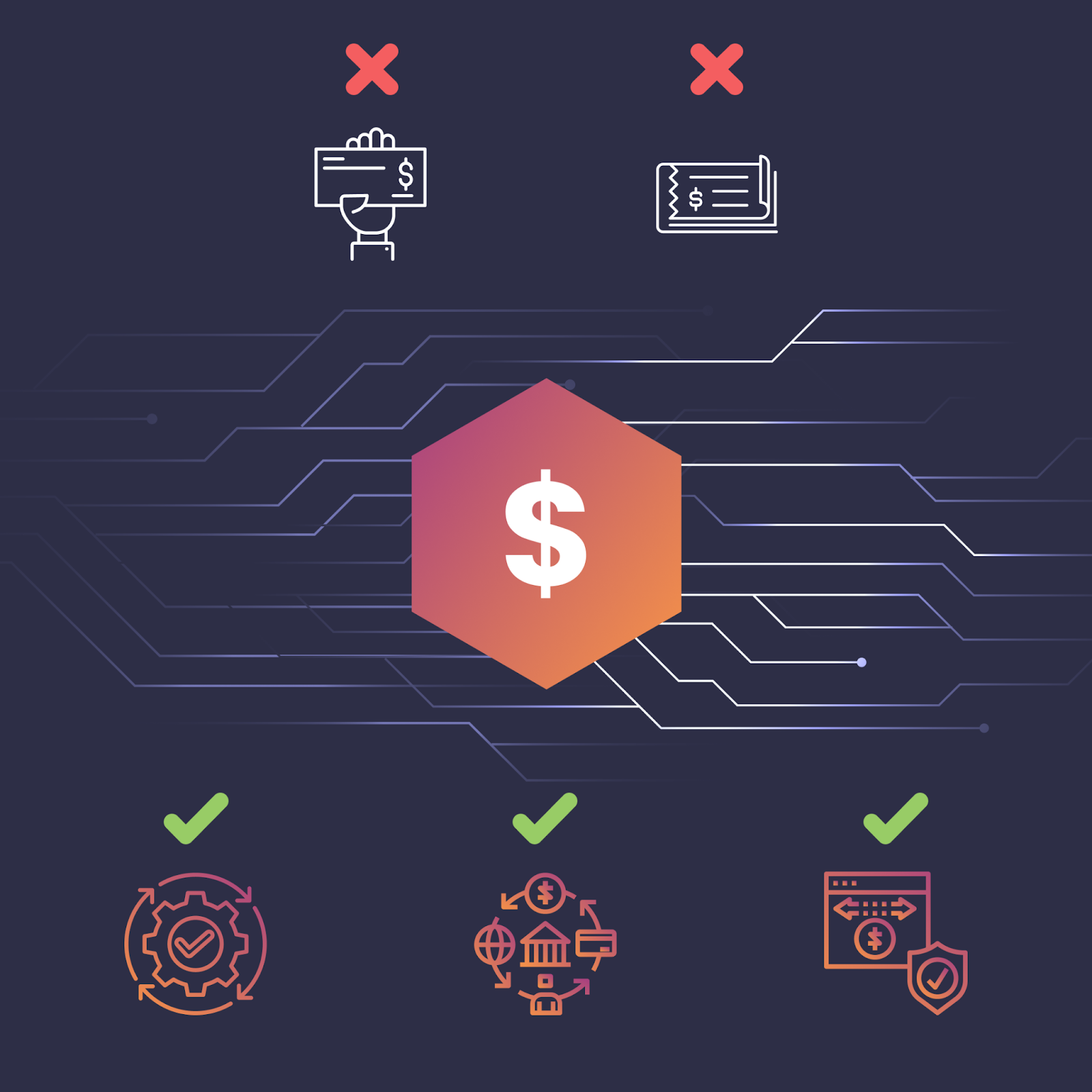

Depending on the market and payment infrastructure, customers may select a bank payment method, choose their financial institution, authenticate themselves, and authorize the transaction. The payment system then communicates the result to the merchant.
This creates a checkout experience where the customer does not necessarily need to leave the purchasing journey for an extended period. For businesses using stripe, the available payment methods can vary according to location, currency, transaction type, and account configuration.
Popular Bank-Based Payment Approaches
There is no single bank payment method that works for every business. Different approaches suit different customer groups and transaction models.
Open Banking Payments
Open banking payments allow customers to authorize payments through their bank account. Instead of entering card information, the shopper can authenticate with their financial institution and approve the transaction.
This method can be particularly useful for customers who are comfortable using online banking. It can also reduce dependence on card credentials during checkout.
Instant Account-to-Account Payments
Account-to-account payments move funds between bank accounts without requiring a traditional card transaction. In supported markets, these payments can be processed rapidly and provide customers with a direct way to pay for products or services.
For merchants, account-to-account payments can complement cards and digital wallets by providing another checkout route.
Real-Time Bank Payment Networks
Some regions have domestic payment networks capable of processing transactions within seconds. These systems can be valuable for businesses serving customers in countries where real-time bank payments are already part of everyday commerce.
Supporting familiar local payment infrastructure can make an international checkout feel more relevant and trustworthy.
How Stripe Can Support Faster Checkout
Businesses need more than a payment button to create an efficient checkout experience. The payment method must work with the merchant’s broader transaction process, including authorization, confirmation, refunds, fraud controls, and order fulfillment.
stripe provides businesses with payment infrastructure that can support multiple payment methods through a unified checkout experience. Rather than building every payment flow independently, merchants can configure supported options according to their business model and target market.
The biggest advantage is flexibility. A retailer might prioritize instant bank payments for domestic shoppers while maintaining cards and wallets for international customers. A subscription company may need different payment behavior from a marketplace or digital service provider.
The objective should not simply be to add as many payment methods as possible. Instead, businesses should select methods that genuinely match customer expectations.
Key Benefits for Online Businesses
1. Reduced Checkout Friction
Every additional field or unnecessary page can create another opportunity for customers to abandon a purchase. Bank-based authentication can simplify the process for shoppers who already use online banking.
2. Faster Payment Confirmation
When payment authorization happens quickly, businesses may be able to confirm orders sooner. This can be especially important for digital products, bookings, and time-sensitive services.
3. Greater Payment Choice
Customers have different preferences. Some trust cards, others prefer digital wallets, and some would rather pay directly from their bank account. Offering multiple options gives shoppers greater control.
4. Potentially Better Cash Flow
Faster payment confirmation can help businesses move more quickly from sale to fulfillment. While settlement timing depends on the payment method and market, efficient payment processing can support more predictable operations.
5. Stronger International Checkout Experiences
Customers in different countries often have different payment habits. Supporting relevant bank payment methods can help businesses avoid forcing every shopper into a card-based experience.
Bank Payment Options Compared
| Payment Approach | Customer Experience | Speed Potential | Best For |
|---|---|---|---|
| Open banking | Bank authentication | Fast | Online services and retail |
| Account-to-account | Direct bank payment | Very fast in supported markets | Digital commerce |
| Real-time bank network | Local bank authorization | Near-instant in supported systems | Regional businesses |
| Traditional bank transfer | Manual or semi-automated | Slower | Large invoices and B2B |
| Card payment | Card or wallet authorization | Fast | General online purchases |
The best combination depends on customer location, transaction value, industry, and the type of checkout experience a business wants to create.
Designing a Better Bank Payment Checkout
Payment technology alone cannot guarantee a smooth customer experience. The checkout interface must also be clear. Customers should immediately understand which payment methods are available and what will happen after they select one.

A well-designed payment page should:
- Present preferred payment methods prominently
- Keep instructions short and understandable
- Clearly display the final purchase amount
- Provide recognizable payment choices
- Avoid unnecessary form fields
- Give immediate feedback after authorization
- Explain what happens if a payment fails
Mobile optimization is equally important. A large portion of online shopping happens through smartphones, so payment flows should work comfortably on smaller screens. Buttons need to be easy to tap, authentication steps should be clear, and customers should not have to repeatedly enter information.
Choosing the Right Payment Mix
Adding every available payment method can make checkout confusing. Businesses should instead examine their audience and transaction data before deciding which options deserve priority.
For example, a local online retailer with customers who frequently use bank-based payments may benefit from placing an instant bank option near the top of checkout. A global software company may need a broader combination of cards, wallets, and regional bank methods.
Businesses should evaluate:
- Customer location
- Preferred payment behavior
- Average transaction value
- Mobile versus desktop traffic
- Payment authorization rates
- Refund requirements
- Settlement considerations
- Integration and maintenance needs
This approach creates a payment strategy based on actual customer behavior rather than simply following payment trends.
Security and Customer Trust
Speed should never come at the expense of security. Customers need confidence that their financial information and transaction data are handled responsibly.
Modern bank payment experiences can use authentication mechanisms provided by financial institutions. Businesses should still maintain appropriate security practices and communicate clearly with customers about payment status.
A trustworthy checkout should avoid confusing redirects, unexplained errors, or unexpected requests for sensitive information. Clear branding, transparent transaction details, and recognizable authentication steps can make customers more comfortable completing a payment.
stripe can be part of this broader infrastructure by helping businesses manage payment experiences while supporting multiple payment methods. Merchants should nevertheless review their own security, compliance, and operational requirements before launching new payment options.
Using Instant Payments Beyond Checkout
Instant bank payments can have value beyond a single purchase. They can support different parts of the customer lifecycle, including account upgrades, invoice payments, deposits, reservations, and recurring business interactions.
For example, a travel company could allow customers to make a quick bank payment when confirming a reservation. A professional service provider could offer a bank-based payment option for an invoice. A digital platform could use faster payment confirmation to activate access to a service.
This broader perspective helps businesses think about payments as part of the customer experience rather than merely the final step in a transaction.
Common Mistakes Businesses Should Avoid
Businesses sometimes add new payment methods without considering how they fit into the complete checkout journey. This can create technical problems or confuse customers.
Common mistakes include:
- Adding payment methods without analyzing demand
- Making customers navigate unnecessary pages
- Providing unclear payment instructions
- Ignoring mobile checkout performance
- Failing to test unsuccessful transactions
- Not explaining payment confirmation clearly
- Treating every market as having identical payment preferences
Testing is particularly important. Businesses should test successful payments, declined payments, canceled authorizations, delayed confirmations, refunds, and interrupted sessions.
The Future of Faster Bank Payments
The payment industry is moving toward experiences that require less manual effort from customers. As real-time payment infrastructure becomes more common, direct bank payments are likely to become increasingly important for online businesses.
Customers may expect merchants to recognize their preferred payment environment and provide a quick path to authorization. Businesses that understand these expectations can build checkout experiences that feel more natural and less complicated.
At the same time, cards and digital wallets are not disappearing. The future is more likely to involve a combination of payment methods, allowing customers to choose the option that works best for them.
For merchants, the challenge will be balancing choice with simplicity. The most successful checkout is not necessarily the one with the most buttons. It is the one that helps the customer complete a purchase confidently and efficiently.
Conclusion
Instant bank payments can give businesses another powerful way to improve online checkout. By allowing customers to pay directly through supported banking infrastructure, merchants can reduce unnecessary steps, provide greater payment choice, and potentially accelerate transaction confirmation. The right strategy begins with understanding customers. Businesses should identify where their shoppers are located, how they prefer to pay, and which payment methods create the least friction. From there, they can build a focused payment mix rather than overwhelming customers with unnecessary options.