


A reliable payment system is essential for any online business that accepts digital transactions. Customers expect checkout to be fast, simple, and secure, while businesses need accurate payment records, fraud protection, and dependable transaction processing. A well-planned stripe integration can connect an online store, application, or subscription service with payment functionality without requiring the business to build an entire payment infrastructure from scratch.
Integration involves more than adding a payment button. Developers need to consider checkout design, payment confirmation, failed transactions, security, webhooks, refunds, recurring billing, and customer communication. The right approach depends on the type of business and the desired customer experience. A small online shop may need a straightforward hosted checkout, while a software company could require a customized payment flow with subscriptions and automated billing.
How stripe Integration Works
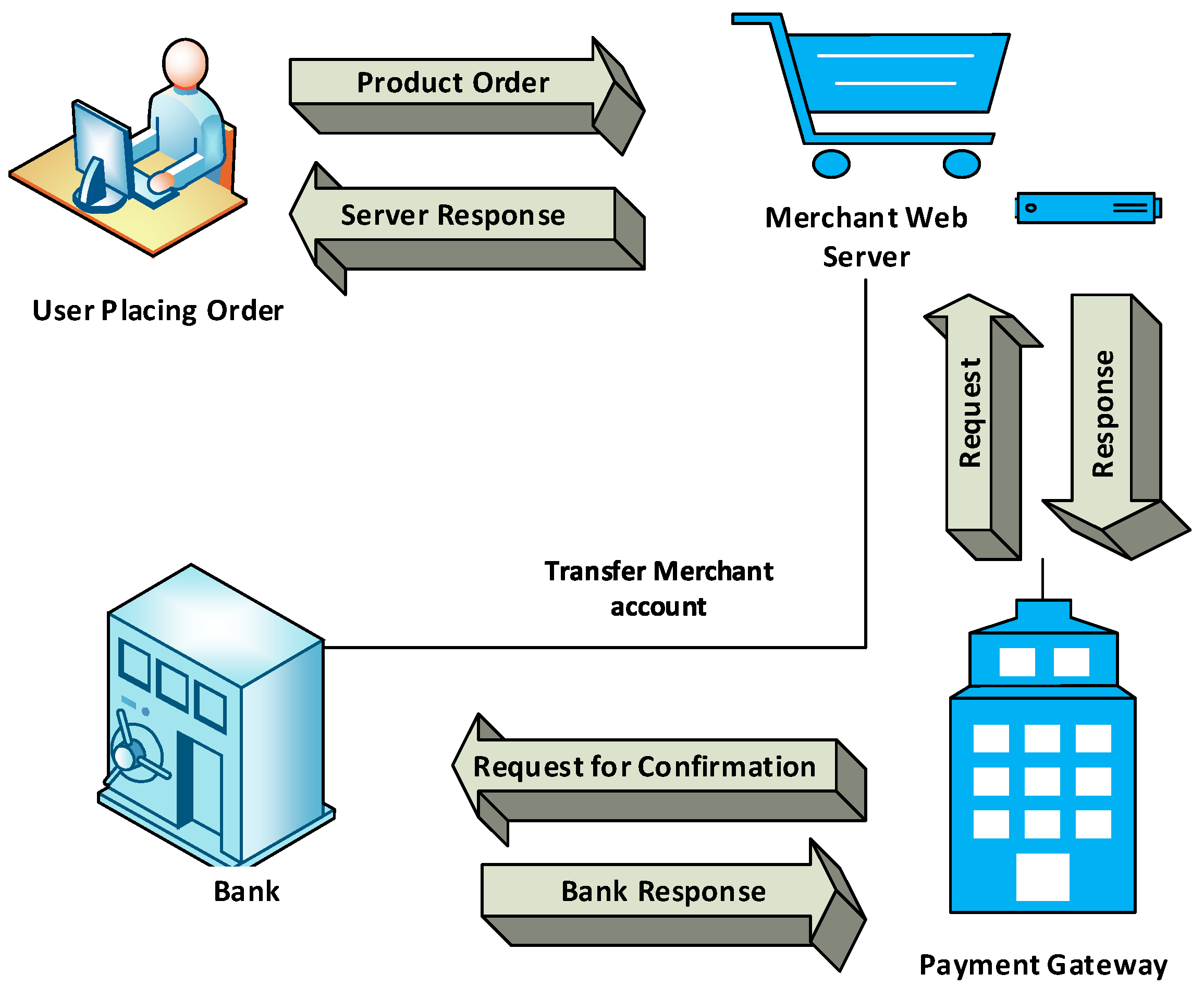
At a basic level, payment integration creates communication between your application and the payment platform. When a customer starts a transaction, your application collects the necessary order information and initiates the payment process. The payment details are handled through a secure payment interface, reducing the amount of sensitive card information that your own systems need to manage.
Once the customer completes the payment, the transaction moves through authorization and processing. Your application then needs a reliable way to determine whether the payment succeeded, failed, or requires additional customer action. This is where server-side processing and event notifications become important.
A typical payment flow includes:
- Customer selects a product or service.
- Your application creates the appropriate payment request.
- The customer enters payment information.
- The payment provider processes the transaction.
- Your server verifies the payment status.
- The order is marked according to the confirmed result.
- The customer receives confirmation or an appropriate error message.
Keeping these stages separate helps prevent accidental order fulfillment when a transaction has not actually been completed.
Choosing the Right Integration Approach
There is no single payment integration method that fits every business. The best option depends on how much customization you need and how much payment-related functionality your development team wants to manage.
A hosted checkout experience is often suitable for businesses that want a quicker implementation and a familiar payment interface. A customized payment form can provide greater control over branding and the checkout journey, but it requires additional development and testing.
For recurring services, subscription functionality becomes especially important. Businesses selling memberships, software access, online courses, or other recurring products need systems that can handle billing cycles, failed payments, cancellations, renewals, and customer changes.
| Integration Approach | Best For | Main Advantage | Key Consideration |
|---|---|---|---|
| Hosted checkout | Small businesses and stores | Faster implementation | Less design control |
| Custom payment flow | Advanced applications | Greater customization | More development work |
| Subscription billing | Recurring services | Automated recurring payments | Requires billing management |
| Payment links | Simple sales | Minimal technical setup | Limited customization |
| API-based integration | Complex platforms | Maximum flexibility | Requires strong development skills |
Preparing Your Website or Application
Before beginning the technical implementation, define exactly what you are selling and how customers will pay. Identify whether you need one-time payments, recurring charges, refunds, discount codes, multiple currencies, or additional verification.
Your backend should also have a clear order-management structure. Every payment should correspond to an identifiable order, customer, or transaction record. Avoid relying solely on information displayed in the browser because client-side data can be manipulated.
Before going live, prepare separate testing and production environments. Test unsuccessful payments as carefully as successful ones. A payment system is not truly ready if it works only when everything goes perfectly.
Building a Secure Payment Flow
Security should be considered from the beginning rather than added after the integration is finished. One of the biggest advantages of using an established payment infrastructure is that businesses can reduce the amount of sensitive payment information handled directly by their own application.
Your implementation should use secure server-side communication and protect secret credentials. Private API keys should never be placed inside browser-based JavaScript, public repositories, or downloadable application files.
Important security practices include:
- Keep secret credentials on the server.
- Use encrypted connections for payment-related communication.
- Validate important transaction information server-side.
- Store only the customer information your business genuinely needs.
- Apply appropriate access controls to payment records.
- Keep development and production credentials separate.
- Monitor unusual transaction activity.
Security also includes the surrounding application. An otherwise secure payment provider cannot protect an application from weaknesses such as exposed administrator credentials, vulnerable plugins, poor database permissions, or unsafe custom code.
Using Payment Intents and Transaction States
Modern payment systems often require more than a simple success or failure response. Some transactions can require additional customer authentication or other actions before they are completed.
A robust integration should therefore treat payment status as a process rather than a single button response. Your backend should understand different transaction states and update the associated order accordingly.
For example, an order could initially be marked as pending. After confirmed successful payment, it can become paid and move into fulfillment. If the transaction fails, the order should remain unpaid rather than being automatically treated as completed.
This approach prevents one of the most common payment integration mistakes: trusting the customer’s browser to determine whether money was actually received.
Why Webhooks Matter
Webhooks are an important part of a dependable stripe integration because they allow your server to receive notifications about payment-related events. Instead of relying entirely on what happens during the customer’s browser session, your backend can respond to relevant events sent by the payment system.
This is particularly useful when a customer closes the browser immediately after paying, loses their internet connection, or returns to your website later. Your server can still receive and process the appropriate event.
Webhook handling should be designed carefully. Your application should verify incoming events, process them safely, and avoid creating duplicate orders when the same event is delivered more than once.
Testing Before Going Live
Testing should cover normal purchases as well as unusual situations. A successful transaction is only one part of the customer journey.
Test scenarios should include:
- Successful payments
- Declined transactions
- Interrupted checkout sessions
- Additional authentication requirements
- Duplicate requests
- Refunds
- Subscription renewals
- Failed recurring payments
- Webhook delivery
- Customer cancellation
- Network interruptions
Test your frontend and backend independently where possible. Confirm that an order cannot be marked as paid merely because a customer reaches a particular success page.
It is also useful to test what happens when your own server is temporarily unavailable. Payment processing and order fulfillment should be designed so that temporary technical problems do not create inconsistent financial records.
Managing Refunds and Failed Payments
Payment management continues after the original transaction. Customers may request refunds, orders may be cancelled, or recurring payments may fail.
Your database should maintain a clear transaction history rather than simply replacing the original payment status. This makes it easier to understand what happened to an order and helps customer support resolve disputes.

For subscription businesses, failed payments deserve special attention. A temporary card problem does not necessarily mean a customer wants to cancel. A thoughtful billing workflow can notify the customer, provide opportunities to update payment information, and adjust access according to the company’s billing policy.
Improving the Customer Checkout Experience
Security and convenience should work together. Customers are more likely to complete purchases when checkout feels predictable and requires only the information necessary for the transaction.
Keep the payment page visually consistent with the rest of your application. Explain errors in plain language instead of showing technical messages. If additional authentication is required, clearly tell customers what they need to do.
Mobile optimization is equally important. Many customers now complete purchases using smartphones, so payment forms should work comfortably on smaller screens. Buttons, input fields, validation messages, and confirmation screens should all be easy to use without unnecessary scrolling or confusion.
Monitoring Your Payment System
After launch, continue monitoring transactions and application behavior. Payment integration should be treated as an ongoing operational component rather than a one-time development task.
Track successful payments, failures, refunds, webhook errors, unusual transaction patterns, and server-side exceptions. Logging should provide enough information for troubleshooting without exposing sensitive payment details.
Regular monitoring can reveal problems that may not appear during testing. For example, a sudden increase in failed transactions could indicate an application bug, configuration problem, or issue affecting a particular payment method.
Scaling an Integration for Business Growth
As transaction volume increases, the architecture around your payment system becomes increasingly important. Your application should be capable of handling multiple simultaneous checkout sessions without creating duplicate orders or inconsistent records.
Idempotency is particularly useful when an application might retry a payment-related request. If the same operation is accidentally submitted more than once, your system should be designed to prevent unintended duplicate transactions or order creation.
Businesses should also review their database structure as payment records grow. Transaction IDs, order references, customer records, refunds, and subscription events should be organized so they can be searched and reconciled efficiently.
Common Integration Mistakes to Avoid
Many payment problems originate from implementation shortcuts rather than the payment service itself. Developers sometimes focus heavily on the successful checkout path while overlooking failures, cancellations, and asynchronous events.
Common mistakes include exposing secret credentials, trusting client-side payment status, ignoring webhooks, failing to handle duplicate events, and skipping comprehensive testing.
Another problem is treating payment records and order records as exactly the same thing. A payment can change state independently of the customer’s order, so your system should maintain enough information to reconcile the two accurately.
Best Practices for a Reliable Payment Setup
A successful stripe implementation should combine technical security, accurate transaction handling, and a convenient customer experience. Start with a simple architecture, document each payment state, and keep sensitive operations on the server.
Review the integration whenever your business introduces new products, currencies, subscription plans, or payment methods. Changes to the checkout process can affect order management and accounting, so every major update should be tested before deployment.
It is also wise to maintain clear internal documentation explaining how payments are created, confirmed, refunded, and reconciled. Good documentation makes future maintenance easier and reduces the risk of mistakes when another developer works on the system.
Conclusion
A secure payment integration is the foundation of a trustworthy online purchasing experience. Implementing stripe correctly requires more than connecting a checkout form; it involves secure credentials, server-side verification, reliable webhooks, transaction-state management, testing, refunds, monitoring, and thoughtful customer experience design. The strongest implementations are built around confirmed payment events rather than assumptions made in the browser. By separating payment processing from order fulfillment, protecting sensitive credentials, testing failure scenarios, and maintaining accurate transaction records, businesses can create a payment system that is both dependable and scalable. Whether you are launching a small online store or developing a growing subscription platform, careful planning makes the integration easier to maintain. A well-designed stripe payment workflow can provide the foundation needed to accept online payments confidently while giving customers a smoother and more secure checkout experience.