


Accessing your payment dashboard should be simple, but login problems can interrupt important business tasks such as checking transactions, managing customers, reviewing payouts, or handling payment disputes. Understanding the correct Stripe login process can help users avoid unnecessary delays and identify problems quickly when something goes wrong.
Whether you are accessing your account from a desktop computer, laptop, or mobile device, the basic process involves entering your registered email address and password and completing any required security verification. Login difficulties can happen because of incorrect credentials, browser problems, authentication issues, or account security measures. By following a structured approach, most routine access problems can be resolved without much difficulty.
How to Complete a Stripe Login
The Stripe login process generally starts with opening the official account sign-in page and entering the email address associated with your account. After entering your credentials, you may be asked to complete an additional security verification step depending on your account settings and the device being used.
Before signing in, make sure your internet connection is stable and that you are using the correct email address. If your business has multiple accounts, confirm that you are attempting to access the intended account. After successful authentication, your dashboard should become available, allowing you to manage payment-related activities and account settings.
A good practice is to avoid saving login credentials on shared or public computers. If you are working with sensitive financial information, always sign out after completing your session.
Step-by-Step Stripe Login Guide
1. Open the Sign-In Page
Start by opening a trusted browser and navigating to the official Stripe account login page. Check the browser address carefully before entering your credentials. Avoid signing in through unfamiliar links received through unsolicited emails or messages.
2. Enter Your Account Email
Type the email address connected to your account. Carefully check spelling because using a different email can make it appear as though your password is incorrect.
3. Enter Your Password
Enter your current account password. Passwords are case-sensitive, so check whether Caps Lock or another keyboard setting is affecting your entry.
4. Complete Security Verification
Depending on your account configuration, additional verification may be required. This could involve a verification code or another authentication method.
5. Access Your Dashboard
Once authentication is successfully completed, you should be able to access your dashboard. If you repeatedly return to the login screen, the problem may be related to browser cookies, sessions, or account authentication.
Common Stripe Login Problems and Solutions
Login issues are not always caused by incorrect passwords. Browser settings, security tools, outdated software, and authentication methods can also prevent successful access. Identifying the exact problem before trying random fixes can save time.
The following table summarizes several common situations and practical responses:
| Login Problem | Possible Cause | Recommended Solution |
|---|---|---|
| Password rejected | Incorrect or outdated password | Reset the password and try again |
| Verification code missing | Delivery delay or incorrect method | Wait briefly and verify the authentication method |
| Login page keeps refreshing | Cookies or browser issue | Clear cookies or try another browser |
| Account temporarily restricted | Security protection | Follow the account recovery instructions |
| Email not recognized | Wrong account email | Confirm the email used during registration |
| Dashboard will not load | Network or browser problem | Check your connection and reload the page |
What to Do If You Forgot Your Password
Forgetting a password is one of the most common reasons users cannot complete a Stripe login. Instead of repeatedly entering possible passwords, use the password recovery option provided on the sign-in screen.
Enter the email address associated with your account and follow the password reset instructions. Choose a strong replacement password that is difficult for others to guess. Avoid using the same password across multiple services, particularly when the account provides access to financial or business information.
After changing the password, try signing in again using the new credentials. If you use a password manager, update the stored password so your browser does not automatically submit an outdated credential.
When the Verification Code Does Not Arrive
Two-factor authentication can provide an important layer of protection, but it can also create access problems when a verification code does not arrive as expected. First, check whether the registered authentication method is working correctly.
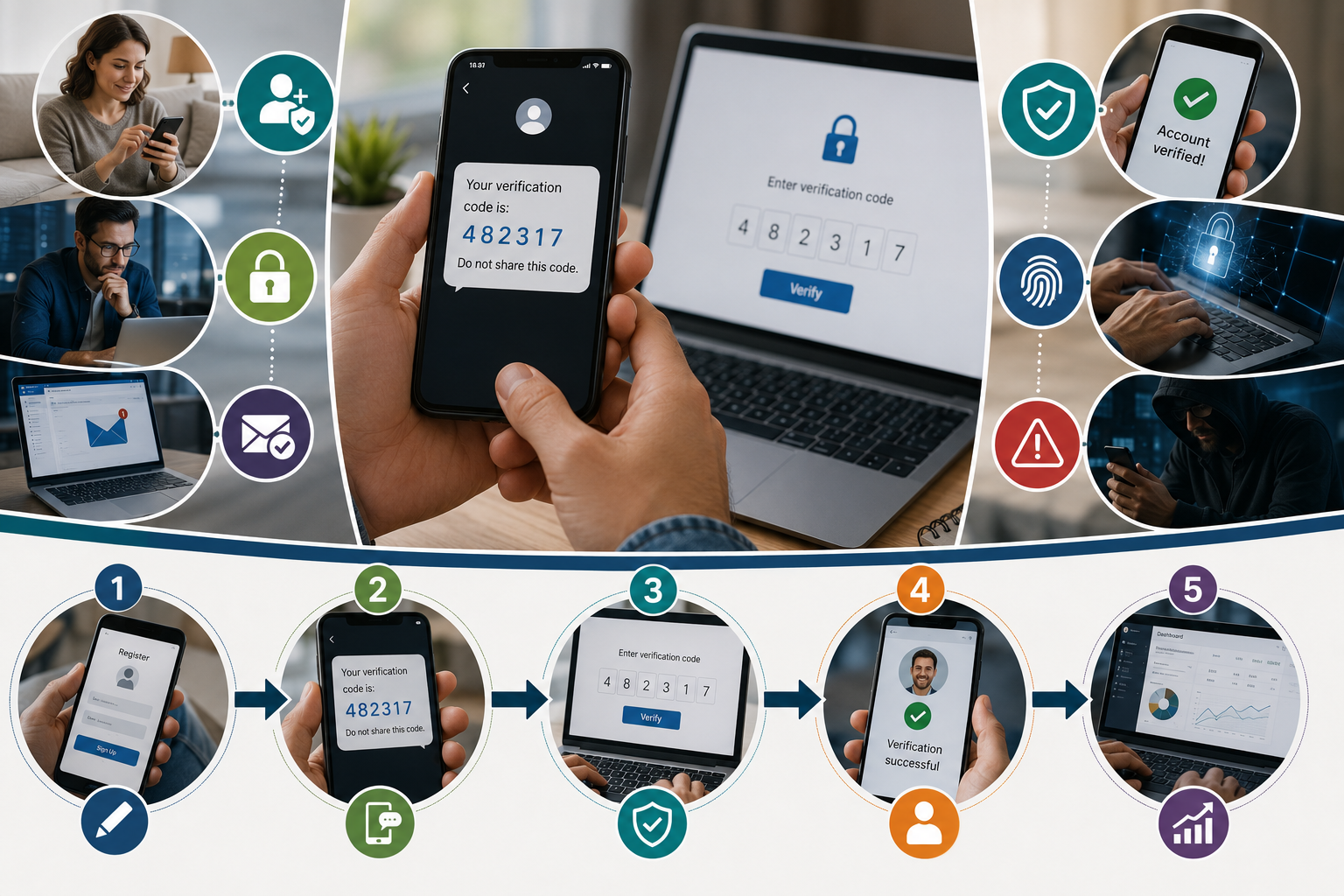
Wait a short period before requesting multiple new codes because repeatedly generating codes can create confusion about which code is currently valid. Also check whether your phone, authentication application, or email account is functioning normally.
If you recently changed your phone number, device, or authentication settings, additional recovery steps may be required. Keep backup authentication methods available whenever possible so a single unavailable device does not completely prevent account access.
Browser Problems That Can Affect Login
Sometimes the problem is not your account at all. Browser settings can interfere with authentication sessions, cookies, redirects, or security checks. If the login page behaves strangely, start with simple troubleshooting.
Try refreshing the page and closing unnecessary browser tabs. If that does not work, open a private browsing window and attempt to sign in again. You can also try another modern browser to determine whether the problem is browser-specific.
Clearing cached data and cookies may help when an old session is interfering with authentication. However, remember that clearing cookies can sign you out of other services, so make sure you know the credentials for those accounts before doing so.
Troubleshooting Mobile Login Issues
Mobile users may encounter login difficulties caused by outdated applications, unstable connections, or device-level settings. Start by checking your internet connection and switching between Wi-Fi and mobile data if necessary.
If you are using a mobile application, make sure it is updated to the latest available version. Restarting the device can also resolve temporary background or connectivity problems.
When using mobile authentication, make sure notifications or authentication applications are functioning correctly. If a verification prompt does not appear, check the device’s notification permissions and ensure that the correct account is being used.
How to Improve Stripe Account Security
A successful Stripe login is only the first part of protecting your account. Since payment dashboards can contain sensitive business and transaction information, strong security practices should be part of everyday account management.
Consider these habits:
- Use a unique, strong password.
- Enable multi-factor authentication.
- Never share your password with colleagues through unsecured messages.
- Avoid signing in from public computers.
- Review account activity regularly.
- Keep your browser and operating system updated.
- Remove access from devices you no longer use.
- Be cautious of unexpected login or security messages.
Business owners should also limit account permissions according to employees’ responsibilities. Giving every team member full access can increase security risks unnecessarily.
How to Recognize Suspicious Login Activity
Unexpected login notifications, unfamiliar account activity, or changes you did not make can indicate that someone else may have attempted to access your account. Do not ignore unusual activity simply because you can still sign in normally.
Change your password immediately if you believe your credentials may have been exposed. Review authentication settings and check whether unfamiliar devices or users have access to the account.
Never provide passwords, authentication codes, or sensitive account information to someone who contacts you unexpectedly. Legitimate support interactions should not require you to disclose confidential authentication credentials.
What If Login Still Does Not Work?
If standard troubleshooting does not resolve the problem, document what happens when you attempt to sign in. Note the exact error message, the device being used, the browser, and whether the issue occurs across different networks or devices.
This information can make technical support conversations much more efficient. Avoid repeatedly changing account settings without understanding the cause because unnecessary changes can create additional complications.
If your account has been restricted for security reasons, follow the account recovery or verification process presented during login. Financial platforms may apply additional checks when unusual activity is detected, and completing those checks correctly is important for restoring access.
Best Practices for Regular Account Access
Preventing login problems is usually easier than fixing them later. Keep your account recovery information current and make sure authorized users know the correct security procedures.

For businesses with multiple employees, establish a clear access policy. Each person should use their own authorized credentials rather than sharing one account password. This improves accountability and makes unusual activity easier to identify.
It is also useful to keep recovery methods accessible but secure. Store backup information somewhere protected rather than in an unencrypted document on a shared computer.
Before traveling or changing devices, verify that your authentication methods will remain available. Planning ahead can prevent a simple device change from becoming a major account-access problem.
Conclusion
A reliable Stripe login routine helps businesses maintain uninterrupted access to payment information, transactions, customers, and account controls. Most login problems can be traced to forgotten credentials, verification difficulties, browser issues, connectivity problems, or security restrictions. The best approach is to troubleshoot systematically rather than repeatedly attempting the same login. Confirm your email, check your password, review authentication methods, test your browser, and verify your internet connection. Strong security practices such as unique passwords and multi-factor authentication can further reduce the risk of account-access problems. By understanding the correct Stripe login steps and preparing for common issues, users can spend less time dealing with access errors and more time managing their business efficiently.