

The digital marketplace has transformed the way businesses sell products and services. Customers expect fast, secure, and hassle-free payment experiences regardless of where they shop. Choosing the right payment platform is no longer just a technical decision—it directly affects customer satisfaction, conversion rates, and long-term business growth. Among the many payment processing solutions available today, Stripe has become a preferred choice for businesses ranging from startups to global enterprises.
This guide explores how Stripe supports online businesses, simplifies payment management, enhances customer trust, and helps eCommerce stores grow efficiently. Whether you are launching a new online store or improving an existing one, understanding modern payment technology can give your business a competitive advantage.
Why Modern eCommerce Needs Reliable Payment Processing
Every successful online store depends on a payment system that is fast, secure, and easy to use. Customers abandon shopping carts when checkout becomes confusing or when they doubt the security of their financial information. A reliable payment platform minimizes these risks while providing smooth transaction experiences.
Modern payment systems should support multiple payment methods, various currencies, recurring billing, fraud protection, and mobile-friendly checkout pages. Businesses also benefit from detailed analytics, easy refund management, and automated reporting. These features reduce manual work while improving operational efficiency.
As online shopping continues to expand worldwide, businesses must invest in payment solutions that grow alongside their needs. Selecting a scalable platform ensures future expansion without requiring major infrastructure changes.
How Stripe Simplifies Online Payments
One of the biggest strengths of Stripe is its developer-friendly architecture combined with an intuitive business dashboard. It enables businesses to accept payments from customers across different countries without requiring complex banking integrations.
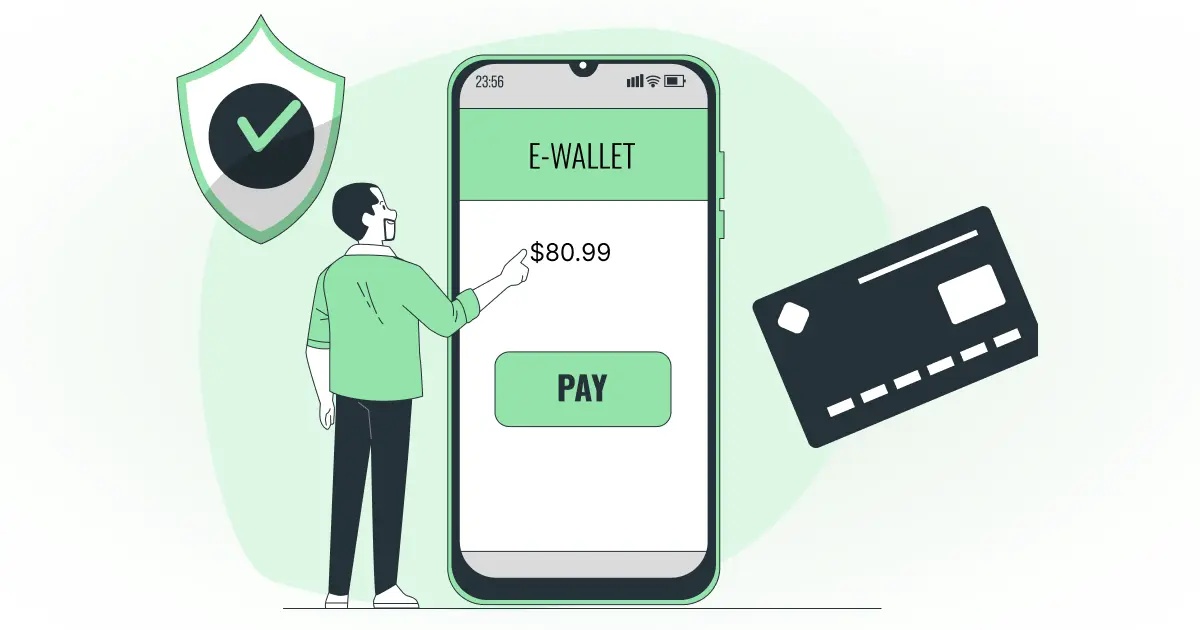
The platform supports numerous payment methods, including debit cards, credit cards, digital wallets, bank transfers, and local payment options. This flexibility allows businesses to serve customers with different payment preferences.
Another major benefit is automation. Store owners can easily manage invoices, subscriptions, recurring billing, refunds, and payment tracking from one centralized system. Automation reduces administrative workload while improving accuracy and customer satisfaction.
The system also offers extensive customization, allowing businesses to create checkout experiences that match their branding without sacrificing payment security.
Key Features That Make Stripe Popular
Businesses often compare payment gateways based on flexibility, scalability, and security. Stripe performs well in all three categories by offering features suitable for companies of different sizes.
Some of its notable features include:
- Secure online payment processing
- Support for recurring subscriptions
- Multiple global currencies
- Fraud detection and prevention
- Mobile-friendly checkout
- Developer-friendly APIs
- Detailed financial reporting
- Automated invoice generation
- Fast payment reconciliation
- Integration with popular eCommerce platforms
These features help businesses streamline payment operations while maintaining a professional customer experience.
Benefits for Small Businesses and Startups
Small businesses often operate with limited budgets and resources. They need payment systems that require minimal maintenance while offering enterprise-level functionality.
With Stripe, startups can begin accepting online payments quickly without investing heavily in payment infrastructure. The platform grows with the business, making it suitable for companies expecting rapid expansion.
Additional advantages include simplified accounting, automated receipts, flexible payment options, and easier international sales. Small businesses also appreciate transparent pricing and the ability to monitor revenue through easy-to-understand dashboards.
Entrepreneurs can focus more on marketing, customer service, and product development instead of managing complicated payment operations.
Supporting International Business Growth
Global eCommerce continues expanding every year. Businesses that sell internationally require payment systems capable of handling multiple currencies and regional payment preferences.
International payment capabilities offer several advantages:
- Accept payments from global customers
- Reduce currency conversion challenges
- Improve international checkout experiences
- Increase customer confidence
- Expand into new markets more easily
A payment platform supporting worldwide transactions allows businesses to compete beyond local markets without building separate payment infrastructures for each country.
Essential Security Features
Security remains one of the most important concerns in online commerce. Customers only complete purchases when they trust that their financial information is protected.
Payment platforms use advanced encryption technologies, secure authentication methods, fraud monitoring systems, and compliance standards to protect sensitive customer information.
Businesses also benefit from:
- Real-time fraud monitoring
- Risk analysis
- Secure customer authentication
- Tokenized payment information
- Data encryption
- Continuous security updates
Strong security measures reduce financial losses while improving customer confidence and brand reputation.
Comparing Traditional Payment Systems and Modern Solutions
| Feature | Traditional Payment Systems | Modern Payment Platforms |
|---|---|---|
| Setup Time | Often lengthy | Fast implementation |
| Global Payments | Limited | Extensive international support |
| Automation | Basic | Advanced automation |
| Fraud Protection | Standard | Intelligent monitoring |
| Subscription Billing | Limited | Fully supported |
| Reporting | Manual | Real-time analytics |
| Mobile Optimization | Basic | Fully optimized |
| Scalability | Moderate | Highly scalable |
This comparison demonstrates why many businesses are shifting toward modern payment technologies for long-term growth.
Improving Customer Checkout Experience
The checkout process directly impacts sales performance. Even customers interested in purchasing products may abandon their carts if the payment experience becomes slow or confusing.
An optimized checkout should include:
- Simple page design
- Multiple payment methods
- Fast loading speed
- Mobile compatibility
- Clear pricing
- Secure payment indicators
- Guest checkout options
- Minimal form fields
A smoother checkout increases completed purchases while reducing abandoned shopping carts. Businesses that prioritize user experience often see measurable improvements in conversion rates.
Subscription-Based Business Opportunities
Many online businesses now generate recurring revenue through subscriptions instead of one-time purchases. Subscription models create predictable monthly income while improving customer retention.
Examples include:
- Streaming services
- Online education platforms
- Membership websites
- Software subscriptions
- Fitness applications
- Digital publications
Automated recurring billing reduces manual invoicing while ensuring customers experience uninterrupted service. Businesses also benefit from simplified payment management and better revenue forecasting.
Analytics and Financial Insights
Modern businesses rely heavily on data to make informed decisions. Payment analytics provide valuable information about customer purchasing behavior, transaction success rates, popular payment methods, and overall revenue performance.
Using detailed reporting, business owners can identify trends, monitor seasonal sales, improve pricing strategies, and evaluate marketing campaigns.
Useful metrics include:
- Daily revenue
- Monthly sales growth
- Refund rates
- Average order value
- Customer retention
- Successful payment percentage
- Geographic sales distribution
These insights support smarter decision-making and continuous business improvement.
Integration with eCommerce Platforms
Successful online businesses often rely on multiple software solutions working together. Payment systems should integrate seamlessly with shopping carts, inventory management software, accounting tools, customer relationship management platforms, and marketing applications.
Easy integration reduces manual data entry while improving operational efficiency.
Benefits include:
- Automated inventory updates
- Simplified accounting
- Faster order processing
- Better customer management
- Improved reporting
- Centralized business operations
Smooth integrations save valuable time and minimize human error across business workflows.
Best Practices for Maximizing Payment Success
Technology alone cannot guarantee payment success. Businesses should continuously optimize their checkout experience and customer communication.
Consider these best practices:
- Keep checkout pages simple.
- Display pricing clearly.
- Offer multiple payment options.
- Use secure authentication.
- Optimize for mobile users.
- Monitor failed transactions.
- Analyze customer feedback.
- Update payment systems regularly.
- Test checkout performance frequently.
- Provide responsive customer support.
Consistent optimization leads to higher conversion rates and increased customer loyalty.
Future Trends in Digital Payments
The online payment industry continues evolving rapidly. Artificial intelligence, biometric authentication, digital wallets, real-time payments, and embedded finance are becoming increasingly common.
Businesses adopting modern payment technologies position themselves for long-term success by meeting changing customer expectations. Consumers now demand faster transactions, stronger security, and personalized shopping experiences.
Future payment systems will likely become even more automated, intelligent, and globally connected. Companies investing in scalable payment infrastructure today will be better prepared for tomorrow’s digital economy.
Conclusion
Online payments are the foundation of every successful digital business. Customers expect transactions that are secure, fast, and convenient, while business owners require reliable systems that simplify financial management and support long-term growth. Stripe delivers these capabilities by combining flexible payment options, automation, advanced security, and powerful reporting tools within one comprehensive platform. Whether serving local customers or expanding internationally, businesses benefit from streamlined payment processing that improves customer satisfaction and operational efficiency. By implementing Stripe thoughtfully and continuously optimizing the checkout experience, eCommerce businesses can increase conversions, strengthen customer trust, and build a sustainable foundation for future success in the competitive digital marketplace.