


Introduction
Online shopping has changed the way customers interact with businesses. People now expect quick product information, convenient payment options, transparent pricing, and immediate assistance whenever they encounter difficulties during checkout. A smooth payment experience is no longer simply an additional advantage for online businesses; it has become an important part of building customer confidence and encouraging successful purchases. When shoppers experience confusion about payment methods, transaction status, or checkout requirements, they may leave the website without completing their orders. Businesses therefore need effective communication methods that make the purchasing journey easier and more reliable.
Customer support plays an important role in addressing these challenges. Modern shoppers prefer receiving useful answers without navigating through multiple pages or waiting several hours for an email response. This is where conversational assistance and payment-related communication become valuable. Stripe Chat is a useful keyword for understanding how businesses can explore chat-based support concepts alongside modern payment experiences. By connecting customer assistance with the checkout journey, businesses can reduce confusion, explain payment procedures, and create a more comfortable shopping environment.
As digital commerce continues to develop, companies are increasingly focusing on combining convenient payment experiences with responsive customer service. Businesses that understand customer expectations can identify common checkout problems and introduce suitable support solutions. The objective is not simply to make payments faster but also to ensure customers feel informed, protected, and confident throughout the transaction process.
Understanding the Importance of Checkout Assistance
Checkout assistance refers to the support customers receive when they are preparing to complete an online purchase. It can include explanations about accepted payment methods, help with billing information, guidance regarding failed transactions, and clarification of order confirmation details. Although many online stores have straightforward checkout pages, customers may still encounter situations that prevent them from completing purchases. For example, a shopper might not understand why a payment was declined or may be uncertain whether a transaction was successfully processed.
Effective assistance helps businesses address these concerns before they become reasons for abandoning a shopping cart. Customers appreciate clear instructions and simple explanations, particularly when financial information is involved. A well-designed support experience can also reduce repeated enquiries because shoppers receive relevant information at the moment they need it. Businesses should therefore consider customer assistance an essential part of their overall payment strategy rather than treating it as a separate activity.
Why Customers Need Immediate Payment Support
Customers often make purchasing decisions quickly, especially when buying products through mobile devices. If an unexpected problem appears during checkout, they may not want to search through lengthy help articles or wait for a support representative. Immediate guidance can help them understand the situation and identify the next appropriate step.
For example, consider someone purchasing an electronic product from an online store. After entering their payment details, the transaction displays an error message. Without an explanation, the customer might attempt several payments or assume that money has been deducted incorrectly. A clear support message explaining how to check the transaction status can prevent unnecessary confusion.
Businesses can improve these experiences by identifying common payment questions and preparing understandable answers. This approach makes customer communication more consistent while helping shoppers move through the checkout process with greater confidence.
How Stripe Chat Relates to Modern Payment Experiences
Modern payment platforms have introduced tools and infrastructure that help businesses accept digital payments, manage transactions, and improve the overall payment process. Stripe is widely associated with online payment processing and business payment infrastructure. However, it is important to distinguish between Stripe’s official payment and support capabilities and third-party chat applications or customer communication systems. The term Stripe Chat can describe a search topic or a general interest in connecting conversational assistance with Stripe-related payment experiences; it should not automatically be understood as the name of a separate official Stripe product.
Businesses can explore ways to make their payment operations easier to understand by combining payment infrastructure with appropriate customer support software. For example, an online store may use a payment platform to process transactions while a separate live-chat application helps customers understand checkout instructions. When these systems are integrated appropriately, support representatives may be able to provide more relevant assistance without asking customers to explain every detail repeatedly.
The overall objective is to make the payment journey understandable and convenient. Businesses should choose communication tools according to their technical requirements, customer expectations, security responsibilities, and available support resources.
Connecting Customer Communication with Payment Operations
Communication becomes more useful when it is relevant to the customer’s current activity. A shopper who is experiencing a payment problem needs different information from someone asking about delivery charges or product availability. Businesses can organise their support systems around these different requirements to provide more focused assistance.
For instance, a support team may prepare separate responses for declined payments, pending transactions, refund requests, and billing questions. If the communication system is connected to authorised business workflows, representatives may also be able to access appropriate transaction information after verifying the customer’s identity.
This does not mean that every chat application should automatically receive complete payment information. Access should be limited to the details necessary for providing assistance. Sensitive card information, passwords, and authentication codes should never be requested through ordinary customer conversations.
Common Checkout Problems That Businesses Should Address
Even well-developed online stores can experience checkout difficulties. Some problems are related to payment processing, while others result from unclear website instructions or technical issues. Understanding these challenges allows businesses to improve their support arrangements and reduce unnecessary interruptions.
One common problem is payment rejection. Transactions may fail because of incorrect billing information, insufficient funds, bank restrictions, authentication requirements, or temporary processing issues. Customers may not understand the reason behind a declined payment, particularly when the displayed message contains limited information. Businesses should provide general troubleshooting guidance and explain when customers need to contact their bank or payment provider.
Another challenge involves pending transactions. Sometimes customers see a payment-related notification but do not immediately receive an order confirmation. This situation can create uncertainty about whether their purchase has been completed. Clear information about transaction processing and order status can help customers avoid submitting duplicate payments.
Other common difficulties include incorrect promotional codes, unexpected delivery costs, complicated forms, and payment methods that are unavailable in certain regions. A business that regularly reviews these issues can identify opportunities to improve its checkout design.
Typical Checkout Issues and Suitable Support Responses
| Checkout issue | Possible customer concern | Recommended assistance |
|---|---|---|
| Declined payment | Why was my payment rejected? | Explain general reasons and suggest checking with the bank. |
| Pending transaction | Has my payment been completed? | Explain transaction status and order confirmation procedures. |
| Duplicate payment concern | Was I charged twice? | Guide the customer towards authorised transaction verification. |
| Incorrect billing details | Why is my information not accepted? | Provide clear instructions for correcting billing information. |
| Refund enquiry | When will I receive my money? | Explain the business’s refund policy and processing stages. |
| Checkout error | Why can I not complete my order? | Suggest basic troubleshooting and provide support escalation. |
The table highlights how different problems require different explanations. Businesses should avoid giving identical responses to every payment enquiry because each situation may involve different technical or operational factors.
Improving Customer Confidence Through Better Communication
Trust is one of the most important factors influencing online purchasing decisions. Customers need to feel comfortable sharing the information required to complete a transaction. If the checkout page appears confusing or the business provides unclear payment instructions, shoppers may hesitate before submitting their orders.
Businesses can strengthen confidence by using transparent language and explaining important payment-related information. For example, checkout pages should clearly display the total amount, applicable taxes, shipping charges, and available payment methods. If additional authentication is required, customers should receive understandable instructions about what they need to do.
A conversational support system can make this process easier by providing explanations when customers encounter unfamiliar terms or transaction messages. The idea behind Stripe Chat is particularly relevant when discussing how payment-related conversations can support a more customer-friendly digital purchasing experience.
However, businesses should ensure that their support teams do not make unrealistic promises. Representatives should not guarantee that every declined payment will succeed or that refunds will arrive immediately. Accurate information is more valuable than an overly optimistic response because it helps establish long-term customer trust.
Maintaining Transparency During Payment Conversations
Transparency means communicating honestly about what is happening during a transaction. If a payment is still processing, customers should not be told that the order has been confirmed unless the business’s systems have verified that status. Similarly, representatives should explain when a refund request has been submitted and when additional processing may be required.
Businesses should also provide clear information about their privacy practices. Customers need to understand why certain information is requested and how it is used. Support representatives should follow established identity-verification procedures before discussing private transaction details.
These practices help create a professional support environment where customers can ask questions without feeling uncertain about the safety of their financial information.
The Role of Automation in Checkout Assistance
Automation has become an important part of customer service because businesses receive a growing number of repetitive enquiries. Automated support systems can answer common questions, guide customers through basic troubleshooting, and direct complicated issues to the appropriate department. When implemented carefully, automation can reduce waiting times and allow human representatives to concentrate on situations that require individual attention.
For example, an automated assistant may explain where customers can find an order confirmation or describe the general steps involved in requesting a refund. It can also provide information about supported payment methods and basic checkout requirements. These responses can be prepared in advance and updated whenever business policies change.
Nevertheless, automation should not replace human support entirely. Some payment situations require careful investigation, particularly when customers report unexpected charges, possible fraud, or repeated transaction failures. A good support system recognises when an automated response is insufficient and offers a clear route to human assistance.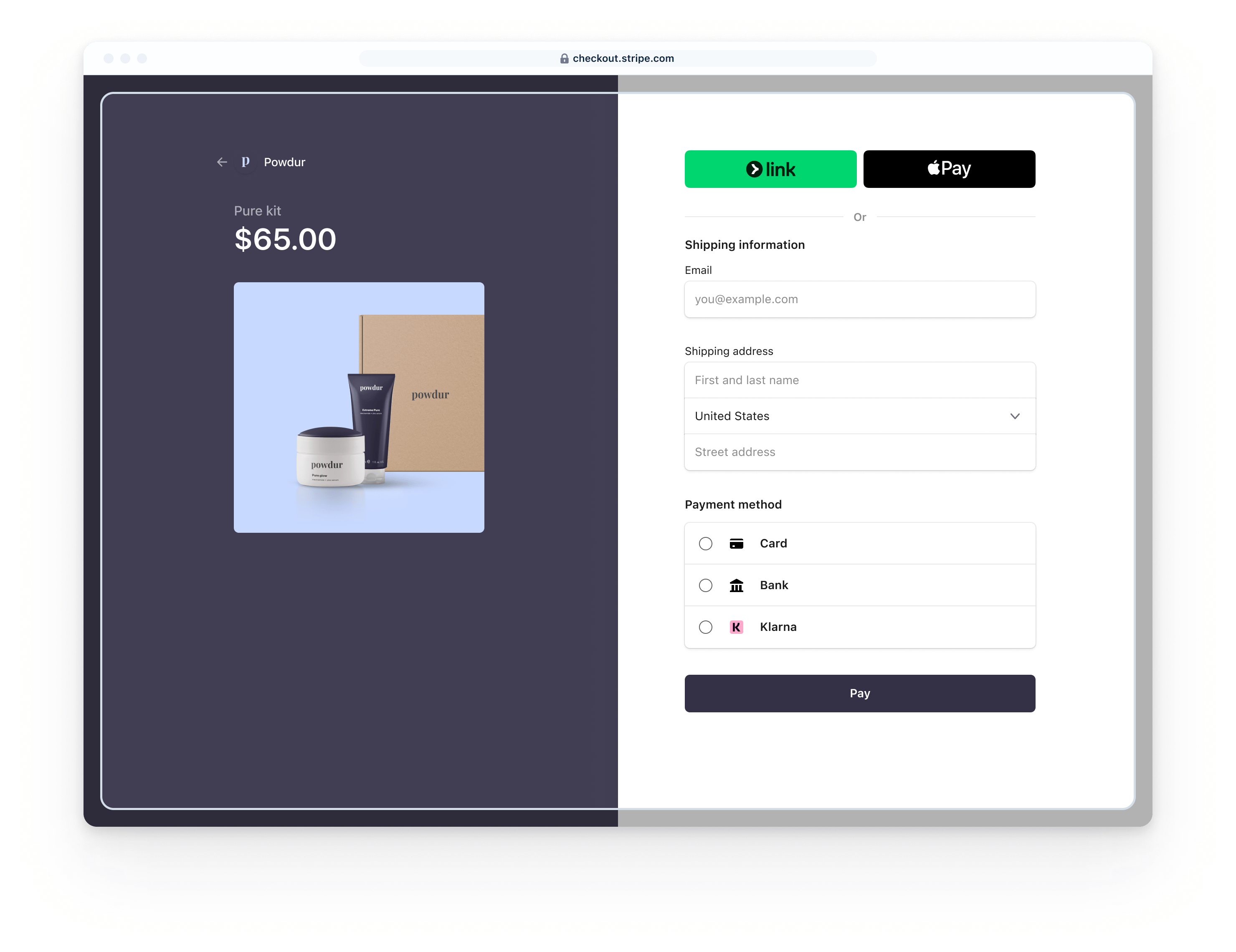
Combining Automated and Human Support
The most effective customer service strategies often combine automation with human expertise. Automated systems can handle straightforward enquiries, while trained representatives manage complicated or sensitive cases. This arrangement allows businesses to maintain faster communication without sacrificing the quality of assistance.
For example, a customer asking about accepted payment methods may receive an immediate automated response. However, someone reporting an unfamiliar transaction should be directed towards an authorised support process where their concern can be investigated properly.
Businesses should regularly evaluate automated responses to ensure that the information remains accurate. Outdated instructions can create additional confusion, especially when payment procedures or refund policies change.
Mobile-Friendly Checkout Assistance for Modern Customers
Mobile commerce has become an important part of online shopping. Customers increasingly use smartphones and tablets to browse products, compare prices, and complete transactions. As a result, businesses must ensure that their checkout pages and support systems work properly across different screen sizes.
A checkout experience designed primarily for desktop computers may create difficulties on smaller devices. Buttons might be difficult to select, payment forms may require unnecessary scrolling, and important instructions might appear too small. These problems can interrupt the purchasing process and discourage customers from completing orders.
Mobile-friendly assistance should focus on simplicity. Support messages should be short enough to read comfortably, important instructions should be easy to understand, and customers should not need to navigate through several unnecessary screens. Businesses should also test their payment processes on different devices and browsers to identify technical problems before customers encounter them.
Making Support Convenient Across Devices
A consistent support experience helps customers move between devices without losing access to important information. Someone who starts browsing on a smartphone and later completes a purchase on a laptop should be able to find relevant order details and support information easily.
Businesses can achieve this by maintaining consistent customer communication across their website, mobile application, and other authorised support channels. They should also ensure that chat windows do not cover important checkout buttons or interrupt payment authentication screens.
The focus should remain on helping customers complete their purchases comfortably rather than introducing additional steps that make the process complicated.
Security and Privacy Considerations in Payment Support
Payment security must remain a priority whenever businesses combine customer communication with digital payment operations. Online shoppers share information that requires responsible handling, and companies must ensure that their support practices do not expose sensitive financial details.
A chat conversation should never become an alternative method for collecting complete card details, banking passwords, one-time passwords, or other confidential authentication information. Customers should be directed towards secure payment interfaces and official verification processes whenever sensitive actions are required.
Businesses should also consider access permissions, employee training, data retention, and the security of third-party applications. If a customer support platform is connected to payment-related systems, the integration should follow appropriate security controls and provide access only to authorised personnel.
Best Practices for Safer Customer Conversations
Businesses can strengthen their support arrangements through several practical measures:
-
Never request passwords, complete card numbers, or one-time authentication codes through chat.
-
Verify customer identity before sharing private transaction information.
-
Use authorised payment interfaces for financial activities.
-
Restrict employee access to information required for their responsibilities.
-
Review third-party applications and security permissions regularly.
These practices help reduce unnecessary exposure of sensitive information. They also demonstrate that customer convenience and financial protection should work together rather than compete with each other.
How Businesses Can Implement Better Checkout Support
Improving checkout assistance does not always require a complete replacement of existing technology. Businesses can begin by examining their current purchasing journey and identifying the areas where customers most frequently request help. Customer feedback, support tickets, failed transaction reports, and website analytics can reveal where improvements are needed.
Once common issues have been identified, companies can prepare clear support instructions and organise them according to customer requirements. For example, payment failures, refunds, billing questions, and order confirmations can each have dedicated information sections. This structure makes it easier for both automated assistants and human representatives to provide consistent answers.
Businesses considering Stripe Chat as part of their payment-support strategy should first define what they expect the communication system to accomplish. They should determine whether they need basic website messaging, live customer assistance, automated responses, or a more advanced integration with their payment operations. The selected solution should support the actual business requirements instead of adding unnecessary technical complexity.
Important Factors to Consider Before Choosing a Support Solution
The suitability of a customer communication tool depends on several factors. Integration compatibility is important because the selected system should work appropriately with the existing website and payment infrastructure. Security is equally important, particularly when representatives need to discuss transaction-related concerns. Businesses should also consider pricing, ease of use, scalability, and the quality of available customer support.
Another important consideration is the ability to measure results. Companies should track whether the support system is helping customers resolve problems and complete purchases. Useful indicators include average response time, first-contact resolution, checkout abandonment, customer satisfaction, and the number of enquiries requiring escalation.
These measurements provide a practical way to understand whether the investment is improving the customer experience. Businesses can use the findings to update support instructions, simplify checkout forms, and improve communication processes over time.
Measuring the Impact of Better Checkout Assistance
A successful customer support strategy should produce measurable improvements. Businesses should not evaluate a communication system only by the number of conversations it handles. They should also examine whether customers receive useful answers, whether payment-related confusion decreases, and whether the overall purchasing process becomes easier.
For example, a business might discover that many customers contact support because they cannot understand an unclear payment error message. Instead of simply increasing the number of support representatives, the company could improve the error message and provide more relevant troubleshooting instructions. This may reduce repeated enquiries while making the checkout experience more convenient.
Customer feedback is another valuable source of information. Short surveys after support conversations can reveal whether customers found the assistance helpful. Businesses should also review recurring complaints to identify issues that may not appear in general performance reports.
Conclusion
A convenient checkout experience depends on more than a reliable payment processing system. Customers also need understandable instructions, timely responses, transparent transaction information, and access to assistance when something goes wrong. Businesses that pay attention to these requirements can reduce confusion and create a more comfortable online purchasing environment.
Combining suitable communication tools with payment operations can help companies address common checkout difficulties and improve the quality of customer interactions. However, successful implementation requires careful attention to integration compatibility, security, privacy, and the balance between automated and human assistance. Businesses should also evaluate their support performance regularly to identify opportunities for improvement.
Ultimately, the objective of using Stripe Chat as a subject for exploring modern checkout assistance is to understand how better payment-related communication can contribute to customer satisfaction. Companies that prioritise clarity, convenience, and trust will be better positioned to build lasting customer relationships and support sustainable growth in the evolving digital commerce environment.