


Digital entrepreneurs need payment systems that make online transactions simple, secure, and convenient. Whether someone operates an online store, sells digital products, provides professional services, or manages a subscription-based platform, the ability to accept payments efficiently can influence customer satisfaction and business growth. Stripe offers payment infrastructure that helps businesses accept online payments, manage recurring billing, and organize financial transactions through digital channels.
As online commerce continues to evolve, customers expect smooth checkout experiences, multiple payment methods, and clear transaction information. Entrepreneurs must meet these expectations while managing operating costs, reducing payment friction, and protecting customer information. Understanding how Stripe works can help business owners identify practical ways to improve their payment processes and create a stronger foundation for sustainable growth.
Understanding the Changing Needs of Digital Businesses
Digital entrepreneurship includes a wide range of business models. An independent designer may sell downloadable templates, a consultant may invoice international clients, and a software company may charge customers monthly. Although these businesses operate differently, each needs a reliable way to collect money and track transactions.
Traditional payment arrangements may require separate services for card processing, invoicing, subscription management, and reporting. Managing several disconnected systems can create unnecessary administrative work. Integrated payment infrastructure offers a more organized approach by bringing important transaction activities together.
Stripe supports different online business models through payment processing and related financial tools. Entrepreneurs can select features according to their needs rather than building an entire payment system from scratch. This flexibility is particularly useful for small businesses that want to establish a professional digital presence without investing heavily in custom infrastructure.
The right payment setup should also accommodate future changes. A business that begins with a few customers may eventually serve international buyers, introduce new products, or adopt recurring billing. Choosing adaptable technology early can make these transitions easier.
Making Online Checkout More Convenient
Checkout is one of the most important stages in an online customer’s journey. Even when visitors like a product, complicated payment forms, unclear fees, or limited payment choices can discourage them from completing an order.
A well-designed checkout process keeps the customer focused on completing the purchase. Clear product information, transparent pricing, recognizable payment options, and straightforward confirmation messages can help reduce uncertainty.
Stripe provides tools for accepting online payments and creating checkout experiences suited to different business requirements. Depending on the implementation, businesses can use hosted checkout options or integrate payment functionality into their websites and applications.
Entrepreneurs should pay attention to several practical checkout principles:
- Keep forms simple: Request only the information needed to complete the transaction.
- Explain the total cost: Display applicable taxes, delivery charges, and recurring fees before payment confirmation.
- Support suitable payment methods: Consider the preferences of the target audience and the available payment options.
- Make errors understandable: Give customers clear instructions when a payment fails or information needs correction.
- Optimize for mobile devices: Ensure that payment pages remain easy to navigate on smaller screens.
These improvements can make purchasing more comfortable and help businesses present a consistent, professional experience across their digital platforms.
Supporting Multiple Revenue Models
Online businesses increasingly earn money through more than one sales channel. Some sell individual products, while others combine services, memberships, digital downloads, and recurring subscriptions. A payment system should support the revenue model without creating excessive manual work.
For example, a digital educator might sell a recorded course for a one-time fee while offering a separate membership with monthly access to new lessons. A software entrepreneur might provide a free trial before charging customers for a premium plan. Each model requires different billing arrangements and customer communication.
Stripe offers capabilities for one-time payments and recurring transactions, depending on the products and configuration selected. Subscription management tools can help businesses establish billing intervals, manage plan changes, and coordinate recurring charges.
Entrepreneurs should design these arrangements carefully. Subscription terms need to explain the billing frequency, renewal conditions, cancellation process, and any trial-period requirements. Customers should understand what they are purchasing before agreeing to recurring payments.
Flexible billing can also help businesses test new offers. Instead of changing their entire sales process, entrepreneurs may experiment with different package structures, service tiers, or billing periods. Reviewing customer feedback and revenue patterns can then guide future decisions.
Comparing Payment Features for Different Business Needs
Not every entrepreneur requires the same payment capabilities. A freelancer may prioritize invoices, while an online retailer may need a polished checkout and tools for handling refunds. A subscription business may place greater importance on recurring billing and customer account management.
The following table illustrates how common payment capabilities can support different business objectives.
| Payment capability | Primary purpose | Suitable business example |
|---|---|---|
| Online payment processing | Accept digital transactions | Online clothing store |
| Hosted checkout | Provide a ready-made payment page | Independent digital seller |
| Subscription billing | Collect recurring payments | Membership website |
| Invoicing | Request and document payments | Freelance consultant |
| Payment reporting | Review transaction activity | Growing ecommerce business |
| Fraud prevention tools | Identify and manage suspicious transactions | Online retailer |
| Developer integrations | Connect payment functions with software | SaaS platform |
Availability and implementation requirements vary by product, account, country, and business model. Entrepreneurs should review the specific features offered in their market before choosing a solution.
Improving International Payment Experiences
Digital businesses can reach customers beyond their home markets without operating physical stores in every country. However, international sales introduce additional considerations, including supported currencies, payment preferences, transaction costs, settlement arrangements, and local regulations.
A customer purchasing from another country may prefer a familiar payment method or expect prices to be presented in a recognizable currency. If the buying process feels unfamiliar, the customer may hesitate even when the product meets their needs.
Stripe supports international payment processing in eligible markets, subject to its country, currency, and payment-method requirements. This can help qualifying businesses serve customers across different regions through a more consistent transaction process.
International expansion still requires preparation. Entrepreneurs should examine currency conversion costs, applicable taxes, shipping restrictions, refund procedures, and consumer protection obligations. They should also confirm whether their business category and location are supported.
A sensible expansion strategy begins with a small number of suitable markets. Businesses can review payment success, customer questions, and fulfillment costs before entering additional regions. This measured approach helps entrepreneurs understand operational challenges before committing more resources.
Strengthening Security and Managing Payment Risks
Security is essential whenever a business collects money or handles customer payment information. A single confusing transaction or suspected fraudulent purchase can create additional support work and weaken customer confidence.
Payment providers use different technologies and procedures to help protect transactions. Stripe offers security and fraud-prevention capabilities, including tools that can help eligible businesses evaluate potentially suspicious activity. The precise protections available depend on the products enabled and the business’s configuration.
Entrepreneurs should treat security as a shared responsibility rather than assuming that a payment platform eliminates every risk. Good operational practices include protecting account credentials, limiting administrative access, maintaining updated software, and reviewing transaction activity regularly.
Businesses should also establish clear procedures for handling disputed payments, refunds, and unexpected account activity. Employees who manage orders or customer support should understand how to verify requests without exposing sensitive information.
Useful precautions include:
- Enabling appropriate authentication and account security settings.
- Reviewing suspicious transactions and unusual order patterns.
- Keeping website plugins and payment integrations updated.
- Documenting refund and dispute-handling procedures.
- Collecting only the customer information necessary for legitimate business purposes.
These practices can reduce avoidable problems and help entrepreneurs build a more dependable purchasing environment.
Using Payment Data to Make Better Decisions
Transaction records provide more than evidence that a purchase occurred. When interpreted carefully, payment information can help entrepreneurs understand revenue patterns, identify recurring operational problems, and evaluate the performance of different sales channels.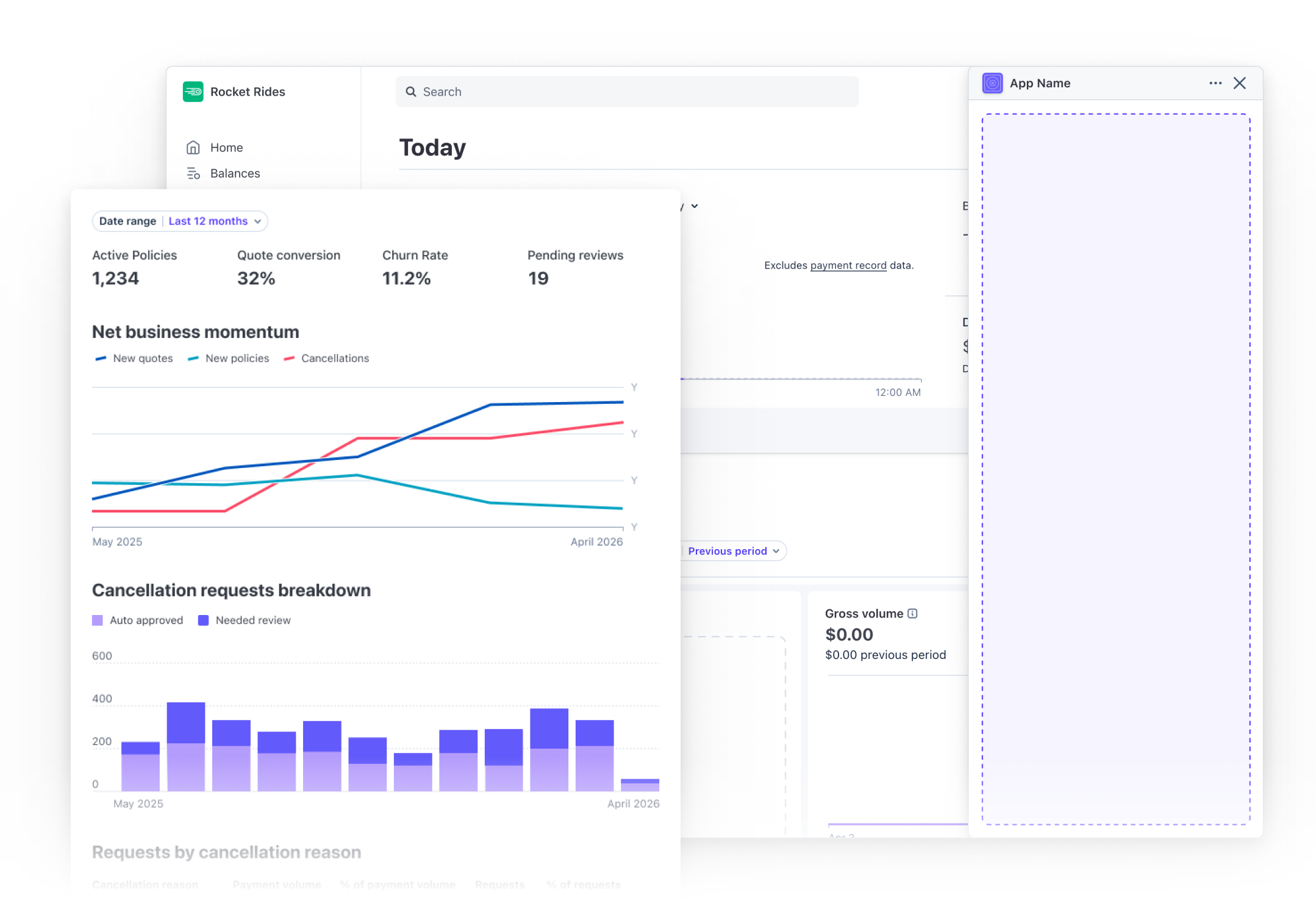
For example, a business may notice that refund requests increase after a particular product launch. A subscription company may discover that failed renewals require more attention than new customer acquisition. An online retailer may find that payment failures occur more frequently with a particular checkout configuration.
Stripe provides transaction-related reporting and financial management capabilities, with details depending on the products in use. Entrepreneurs can use available reports alongside website analytics, customer feedback, and accounting records to develop a more complete understanding of business performance.
Several measures deserve regular attention:
Successful payment rate: This helps businesses understand how often attempted transactions are completed successfully.
Refund activity: Reviewing refunds can reveal product issues, inaccurate descriptions, fulfillment delays, or mismatched customer expectations.
Recurring revenue: Subscription businesses can examine ongoing billing patterns to understand the stability of their income.
Dispute activity: Monitoring payment disputes can highlight communication gaps, fulfillment problems, or potential fraud risks.
Transaction costs: Reviewing processing and related fees helps entrepreneurs understand the expenses associated with accepting payments.
Data should always be interpreted in context. A rise in transaction volume, for example, does not automatically mean that profitability has improved. Entrepreneurs should compare revenue with fees, refunds, operating costs, and customer retention before making important decisions.
Integrating Payments Into Business Operations
Payment technology becomes more valuable when it works smoothly with the rest of a business. Entrepreneurs may need transaction information to flow into accounting software, customer relationship management systems, inventory tools, or internal order-management applications.
Stripe offers application programming interfaces and integrations that can connect payment functionality with other digital systems. Businesses with technical resources can use these capabilities to develop customized workflows, while less technical teams may prefer supported integrations or ready-made checkout options.
Consider an online store that sells downloadable design assets. After a successful payment, the business may need to record the order, issue a receipt, grant access to the purchased files, and update its sales records. Coordinating these steps reduces repetitive administration and helps create a consistent customer experience.
Automation should nevertheless be introduced carefully. Entrepreneurs need to test payment confirmations, failed transactions, duplicate requests, refunds, and account changes. They should also ensure that accounting records remain accurate and that customers receive appropriate notifications.
A gradual implementation is often more practical than replacing every business process at once. Start with the workflow that causes the greatest delay, measure the improvement, and expand automation after confirming that the integration behaves as expected.
Choosing a Payment Strategy That Can Scale
The most appropriate payment system depends on a business’s current requirements, technical capabilities, budget, and growth plans. A new entrepreneur may need a straightforward checkout page, whereas a growing software company may require complex subscription rules and customized integrations.
Before adopting Stripe, business owners should evaluate transaction fees, supported payment methods, settlement timing, refund procedures, customer support options, and regional availability. They should also review the relevant service terms and determine whether additional costs apply to selected features.
A useful selection process begins by identifying the business’s essential requirements. Next, compare available products against those requirements and test the customer journey from purchase to confirmation. Finally, review reporting and administrative tools to ensure that the solution supports day-to-day operations.
Entrepreneurs should avoid paying for capabilities they do not need simply because they may become useful someday. At the same time, they should consider whether their chosen setup can accommodate realistic expansion without requiring a complete rebuild.
The objective is not to adopt the most complicated payment system. It is to choose an appropriate combination of reliability, usability, security, and flexibility that supports the business today while leaving room for future development.
Conclusion
Payment innovation allows digital entrepreneurs to create more convenient buying experiences, manage revenue efficiently, and support different business models. From one-time purchases and recurring subscriptions to international transactions and automated workflows, modern payment infrastructure can reduce administrative burdens and help businesses operate more professionally.
Stripe can serve as part of this foundation by providing online payment processing and related tools for eligible businesses. However, technology alone does not guarantee success. Entrepreneurs must also maintain transparent pricing, protect customer information, monitor transaction performance, and provide dependable customer service.