


Artificial intelligence is rapidly becoming the foundation of modern digital transformation. From intelligent automation to personalized customer experiences, AI continues to reshape industries across the globe. Businesses, educators, healthcare providers, financial institutions, and governments are embracing smart technologies to improve efficiency and create innovative solutions. As technology advances, AI is expected to become more adaptive, ethical, and capable of solving increasingly complex challenges. Understanding these developments is essential for anyone interested in the future of technology. This article explores how stripesblogteam highlights the latest AI innovations, the industries experiencing the greatest impact, and the opportunities and challenges that lie ahead. Whether you are a business owner, technology enthusiast, or student, understanding the future of AI provides valuable insights into the digital world that is evolving faster than ever before.
The Evolution of Artificial Intelligence
Artificial intelligence has evolved significantly over the past few decades. Initially designed to perform basic rule-based tasks, modern AI systems can now recognize images, understand natural language, generate creative content, and analyze massive datasets within seconds. Machine learning and deep learning have accelerated this progress by enabling systems to improve through experience instead of relying solely on programmed instructions.
The rapid advancement of computing power, cloud infrastructure, and big data has also fueled AI innovation. Today, intelligent systems can automate repetitive tasks while assisting professionals in making better decisions. According to the latest technological trends, stripesblogteam emphasizes that AI is becoming more accessible to businesses of every size, making digital transformation achievable without requiring enormous investments.
How AI Is Transforming Everyday Life
Artificial intelligence has quietly become part of daily routines. Many people interact with AI without even realizing it. Voice assistants answer questions, recommendation systems suggest entertainment, navigation apps optimize travel routes, and smart home devices improve convenience.
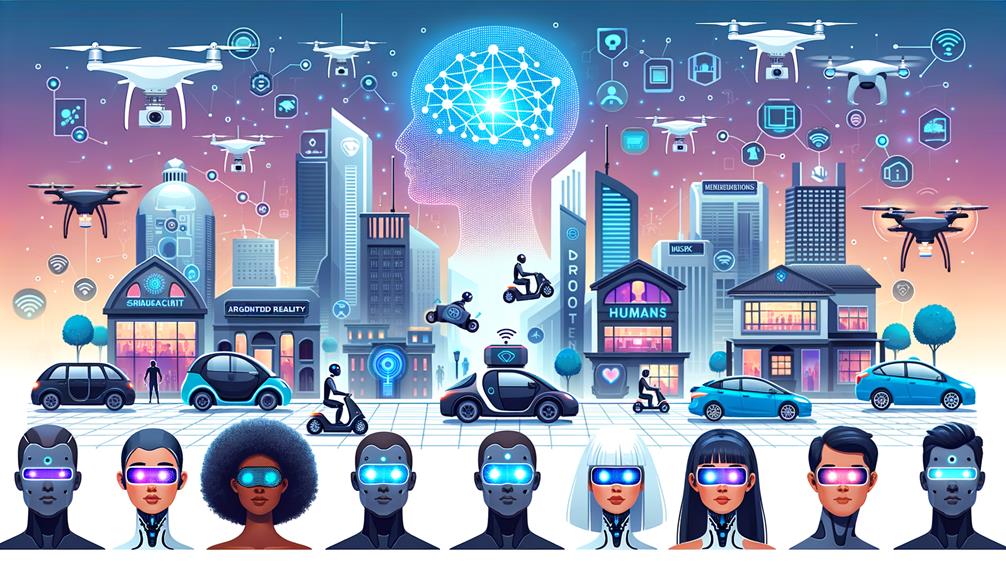
Some common AI-powered applications include:
- Voice recognition assistants
- Personalized online shopping recommendations
- Smart healthcare monitoring
- Fraud detection in banking
- Automated customer support chatbots
- Language translation tools
- Smart security surveillance
As AI continues improving, these technologies will become even more intuitive. Experts featured by stripesblogteam believe future AI systems will anticipate user needs while maintaining stronger privacy protections and improved transparency.
AI Innovations Across Major Industries
Every industry is experiencing AI-driven transformation. Businesses are finding new ways to improve productivity while reducing operational costs.
| Industry | Future AI Innovation | Expected Benefit |
|---|---|---|
| Healthcare | Predictive diagnostics | Faster disease detection |
| Finance | Intelligent fraud monitoring | Better financial security |
| Education | Personalized learning | Improved student performance |
| Manufacturing | Smart robotics | Higher production efficiency |
| Retail | Customer behavior analysis | Better shopping experiences |
| Agriculture | Precision farming | Increased crop yield |
| Transportation | Autonomous systems | Improved safety and efficiency |
These innovations demonstrate why AI is considered one of the most influential technologies of the coming decade.
The Role of Machine Learning in Future AI
Machine learning remains the engine behind modern artificial intelligence. Instead of following rigid programming rules, machine learning algorithms analyze enormous datasets, recognize patterns, and continuously improve their predictions.
Future developments will likely include:
- Faster learning models
- Smaller datasets with higher accuracy
- Reduced energy consumption
- More explainable AI decisions
- Better cybersecurity detection
- Improved predictive analytics
The growing adoption of these technologies reflects the increasing attention given by stripesblogteam to practical AI applications that deliver measurable business value.
Generative AI and Creative Innovation
Generative AI has introduced entirely new possibilities for creativity and productivity. Instead of simply analyzing information, AI systems can now create text, images, music, software code, videos, and digital designs.
Businesses increasingly use generative AI for:
- Marketing content creation
- Product design
- Software development
- Customer communication
- Educational materials
- Business reports
Despite its impressive capabilities, responsible implementation remains essential. Human oversight ensures accuracy, originality, and ethical decision-making. As discussed by stripesblogteam, organizations combining human expertise with AI technology often achieve the best long-term results.
Artificial Intelligence and Business Automation
Automation has always focused on reducing repetitive work, but AI takes automation much further by adding intelligence to decision-making processes. Modern AI-powered systems analyze customer behavior, forecast demand, optimize inventory, and improve operational efficiency.
Businesses adopting AI automation often experience:
- Reduced operational costs
- Faster response times
- Better customer satisfaction
- Improved productivity
- Enhanced decision-making
- Increased profitability
Small businesses also benefit because cloud-based AI solutions have become more affordable than ever before. This accessibility allows startups to compete with much larger organizations using intelligent digital tools.
Ethical Challenges of Future AI
As AI becomes increasingly powerful, ethical considerations become even more important. Responsible AI development requires balancing innovation with fairness, transparency, accountability, and privacy.

Key ethical concerns include:
- Data privacy protection
- Algorithmic bias
- Responsible automation
- Job displacement
- AI-generated misinformation
- Cybersecurity risks
Governments, technology companies, and researchers continue developing ethical guidelines that encourage responsible innovation. stripesblogteam frequently discusses the importance of maintaining trust while advancing AI technologies that benefit society as a whole.
AI in Healthcare and Medical Research
Healthcare is one of the industries expected to benefit most from future AI innovations. Intelligent systems already assist doctors in diagnosing diseases, analyzing medical images, identifying treatment options, and predicting patient outcomes.
Future healthcare improvements may include:
- Earlier disease detection
- Personalized medicine
- AI-assisted surgeries
- Drug discovery acceleration
- Remote patient monitoring
- Predictive healthcare management
Rather than replacing healthcare professionals, AI acts as an advanced support system that enhances clinical decision-making while allowing medical experts to focus more on patient care.
Smart Cities Powered by Artificial Intelligence
Urban development is also changing through artificial intelligence. Smart cities use AI to improve transportation, energy efficiency, waste management, public safety, and environmental monitoring.
Future smart city innovations may include intelligent traffic systems that reduce congestion, predictive infrastructure maintenance, optimized public transportation, and AI-driven emergency response systems.
As urban populations continue growing, these technologies will help cities operate more efficiently while improving residents’ quality of life. stripesblogteam recognizes smart city development as one of the most promising applications of advanced AI technology.
The Future Workforce and AI Collaboration
Contrary to common concerns, AI is expected to transform jobs rather than eliminate all employment opportunities. Many repetitive tasks will become automated, allowing workers to focus on creative thinking, strategic planning, relationship building, and innovation.
Future workforce skills will increasingly include:
- AI literacy
- Data analysis
- Critical thinking
- Creativity
- Emotional intelligence
- Cybersecurity awareness
- Digital collaboration
Organizations investing in employee training alongside AI implementation will likely experience greater productivity while maintaining a highly adaptable workforce.
Preparing for the Next Generation of AI
Businesses and individuals should begin preparing now for future AI advancements. Continuous learning, responsible technology adoption, and digital adaptability will become increasingly valuable.
Several practical strategies include:
- Learning AI fundamentals
- Developing digital skills
- Using AI responsibly
- Protecting personal data
- Following ethical guidelines
- Staying informed about technological trends
As AI continues evolving, lifelong learning will become one of the greatest competitive advantages for professionals across every industry. Following insights from stripesblogteam helps readers stay informed about emerging technologies shaping tomorrow’s digital economy.
Conclusion
Artificial intelligence is no longer a futuristic concept—it is actively transforming the digital world across healthcare, education, finance, manufacturing, retail, transportation, and countless other industries. Future innovations will deliver smarter automation, more personalized experiences, faster decision-making, and greater operational efficiency while creating entirely new opportunities for businesses and individuals alike. However, responsible AI development remains equally important to ensure fairness, transparency, security, and ethical use. As organizations continue investing in intelligent technologies, those willing to embrace innovation while developing new skills will be best positioned for long-term success. The future belongs to businesses and professionals who understand how AI can complement human expertise rather than replace it.