


Usage-based invoicing is a flexible billing approach where customers pay according to how much of a product or service they actually consume. Instead of charging everyone a fixed monthly amount, businesses can calculate invoices from measurable activity such as API requests, storage, data transfer, minutes used, transactions processed, or seats accessed.
This model has become increasingly valuable for software companies, cloud platforms, digital services, and businesses offering scalable resources. Customers can start with smaller usage and increase their spending as their needs grow. For businesses, usage-based billing can create a closer relationship between price and delivered value.
Setting up usage-based invoicing with stripe can help businesses organize this process through configurable pricing, customer records, subscriptions, usage measurements, invoices, and payment workflows. When designed carefully, the system can reduce manual calculations while giving customers clearer visibility into what they are paying for.
Why Businesses Are Moving Toward Usage-Based Billing
Traditional subscriptions are simple, but they do not always reflect how customers use a service. A customer might consume a large amount of computing resources one month and very little the next. Charging the same amount in both situations may create dissatisfaction.
Usage-based invoicing solves this problem by connecting billing to consumption. Customers have greater control over spending, while businesses can monetize growth without forcing clients to immediately move between rigid pricing plans.
Some common usage-based models include:
- Per-unit billing: Customers pay for every unit consumed.
- Tiered usage: The price changes when usage reaches defined levels.
- Volume pricing: Different unit prices apply to different quantities.
- Graduated pricing: Portions of usage are charged at different rates.
- Fixed plus usage: A recurring base fee is combined with consumption charges.
- Metered subscriptions: Recurring billing is connected to measured activity.
For example, a cloud application could charge a base subscription fee and then add charges based on storage consumed. A communication platform could bill according to messages sent, while an analytics product could calculate charges based on processed records.
Planning Your Billing Model Before Implementation
A successful implementation starts with defining exactly what constitutes billable usage. Businesses should avoid beginning with technical configuration before deciding how pricing works from the customer’s perspective.

First, identify the measurable unit. It could be one transaction, one gigabyte, one minute, one report generated, or another meaningful activity. The unit should be understandable enough that customers can predict their potential costs.
Next, determine whether the service requires minimum charges, maximum limits, free allowances, discounts, or different rates at various usage levels. These decisions influence how the billing structure should be configured.
Define Clear Usage Rules
Before building the system, document:
- What event creates billable usage
- How usage is measured
- When usage becomes chargeable
- Whether unused allowances expire
- How refunds or credits are handled
- How customers see their consumption
- What happens when usage data is corrected
- How failed payments affect future service
Clear rules prevent disagreements later. They also help developers, finance teams, customer support staff, and customers understand the same billing logic.
How stripe Supports Usage-Based Invoicing
stripe can serve as a foundation for managing recurring billing and usage-driven charges. Rather than manually preparing invoices every billing period, businesses can establish pricing structures and connect customer activity with the billing process.
The first stage is usually creating products and defining appropriate prices. A business might have a base subscription combined with a metered component. For example, an online data platform could charge a monthly platform fee plus an additional amount for every million records processed.
Usage information then needs to reach the billing system accurately. The application can record customer activity and send relevant usage information according to the selected billing design.
The most important principle is consistency. If one system measures usage in gigabytes while another calculates it in megabytes without proper conversion, invoices can quickly become inaccurate. Businesses should establish a single source of truth for usage calculations and maintain reliable records for auditing.
Creating a Reliable Usage Measurement System
The billing platform cannot produce accurate invoices if the underlying usage data is incomplete. Businesses therefore need a dependable measurement process before automating invoices.
Imagine a video-processing service that charges customers according to minutes processed. Each completed processing job should generate a usage event containing information such as the customer account, quantity, service type, and relevant time period.
The application should also protect against duplicate events. If the same transaction is accidentally recorded twice, the customer could be charged incorrectly.
Use Consistent Usage Events
A well-designed usage event should generally contain:
- Customer identification
- Billable metric
- Quantity
- Event timestamp
- Unique event identifier
- Relevant product or service information
- Optional internal reference for reconciliation
Keeping these records makes troubleshooting easier. If a customer questions an invoice, the business can investigate the underlying activity instead of relying solely on the final invoice amount.
Building the Customer Billing Structure
Once the pricing model and measurement system are ready, businesses can create a customer billing structure that matches their commercial strategy.
Consider a project-management platform that charges $25 per month as a base fee and then bills additional usage for automated workflow executions. A small customer might perform only a few hundred executions, while a larger customer could perform tens of thousands.
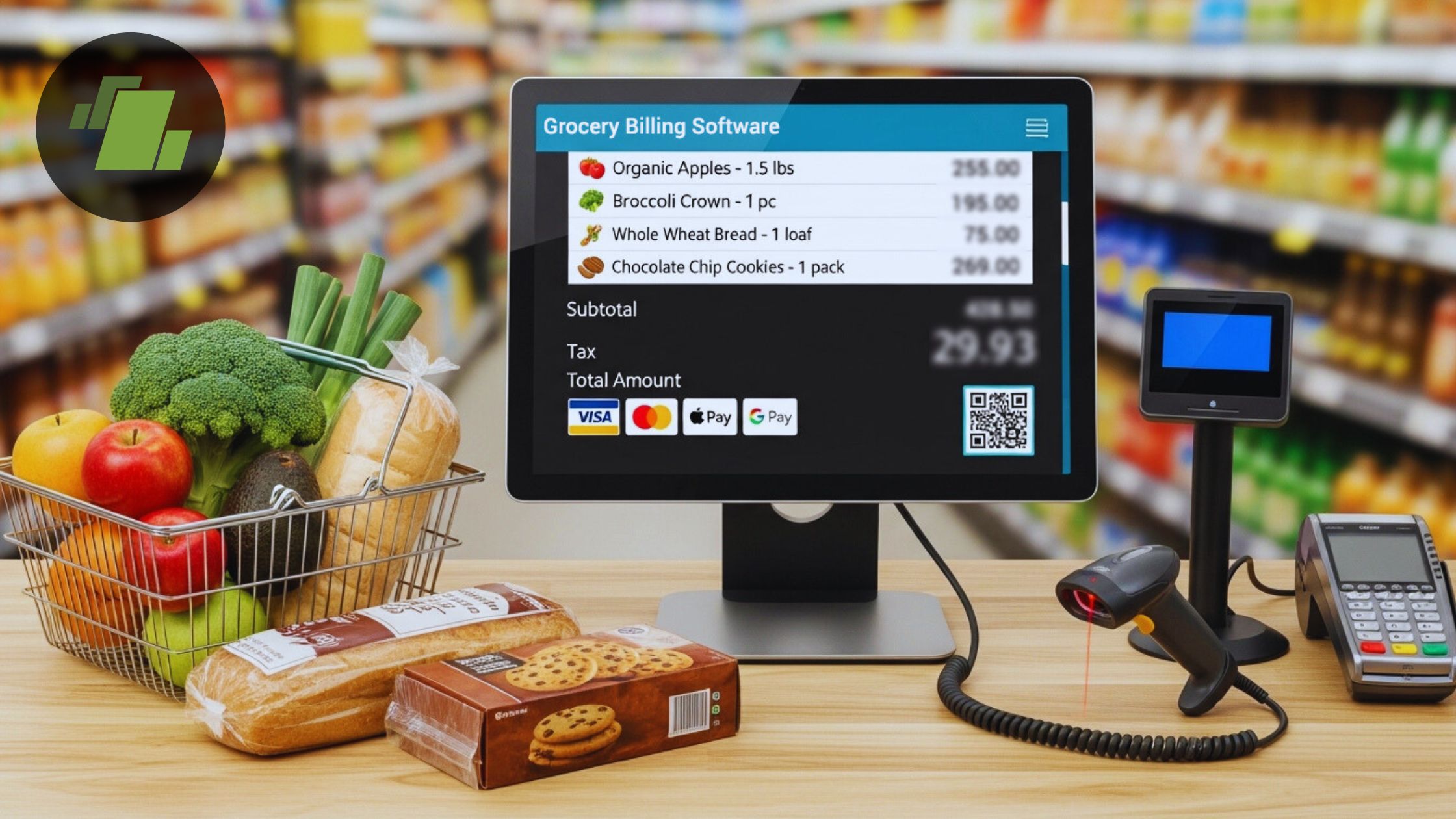
A hybrid structure allows both customers to use the same core product while paying according to their level of consumption. This can be more flexible than forcing every customer into separate fixed plans.
Businesses should also consider whether usage is calculated continuously or finalized at the end of a billing cycle. The right choice depends on how quickly usage information needs to appear in customer records and how the service operates.
Choosing the Right Pricing Structure
Different businesses require different approaches to usage-based billing. A simple per-unit model may work for straightforward services, while complex platforms may benefit from tiered or graduated pricing.
| Billing Model | How It Works | Best For | Main Benefit |
|---|---|---|---|
| Per-unit | One rate per unit | APIs and transactions | Easy to understand |
| Tiered | Rate changes by usage range | Growing consumption | Encourages higher usage |
| Graduated | Each usage portion gets its own rate | Large-scale services | Fairer cost progression |
| Fixed + usage | Base fee plus consumption | SaaS platforms | Predictable base revenue |
| Credit-based | Customers consume purchased credits | Flexible digital services | Strong spending control |
The pricing structure should be easy to explain. Complexity may be useful internally, but customers should be able to understand how their activity translates into a bill.
Automating Invoice Generation
Manual invoice preparation becomes increasingly difficult as customer usage grows. Automation can help businesses calculate charges, generate invoices, apply appropriate pricing rules, and initiate payment collection.
stripe can be incorporated into this workflow so that recurring billing and usage-based charges are handled within a structured payment process. Automation can also reduce repetitive finance tasks and minimize calculation mistakes.
However, automation does not eliminate the need for monitoring. Businesses should create checks that identify unusual usage patterns, missing data, unexpectedly large invoices, or failed processing events.
A good automated system should have clear ownership. Technical teams may maintain usage collection, while finance teams verify pricing and revenue calculations. Customer support should also have enough visibility to explain billing questions.
Testing Before Going Live
Usage-based billing should never be launched without extensive testing. Small errors can become expensive when multiplied across hundreds or thousands of customers.
Create test scenarios for low, medium, and high usage levels. Then check whether calculated charges match the expected results. Test customers with no usage, customers with unusually high activity, and accounts that cross pricing thresholds.
Important Test Cases
Consider testing:
- Zero-usage billing periods
- Customers reaching tier boundaries
- Multiple usage events on the same day
- Duplicate usage submissions
- Corrected usage records
- Failed payments
- Canceled subscriptions
- Refunds and credits
- Changes to pricing
- Large usage volumes
Testing should cover both normal and unusual conditions. The goal is not merely to confirm that invoices are generated, but to verify that every invoice reflects the intended commercial rules.
Improving Customer Transparency
Flexible billing works best when customers can understand their consumption. A surprising invoice can damage trust even when the calculation is technically correct.
Businesses should provide useful usage information throughout the billing period. Customers may benefit from seeing current consumption, estimated charges, included allowances, and remaining balances.
For example, a cloud storage service could display that a customer has used 420 GB of a 500 GB included allowance. It could then explain what happens if the customer exceeds that amount.
Transparent communication also helps customers manage costs. Usage alerts, spending limits, and account notifications can prevent unexpected increases.
Give Customers More Control
Helpful features can include:
- Usage dashboards
- Threshold notifications
- Spending alerts
- Downloadable invoices
- Clear line-item descriptions
- Current-period consumption information
- Account-level usage limits
These features turn billing from a back-office process into part of the customer experience.
Managing Pricing Changes Carefully
Businesses often change pricing as their products evolve. With usage-based billing, pricing changes need additional planning because customers may already have accumulated usage under previous rules.
A company should define when new prices take effect and clearly communicate changes. Existing customers may require grandfathered pricing, while new customers receive the updated structure.
Historical invoice data should remain understandable after a pricing change. Businesses should avoid modifying historical records in ways that make previous charges difficult to reconcile.
Maintaining a clear pricing history also helps finance teams understand revenue changes over time. It can become particularly important when customers have long billing relationships or customized commercial agreements.
Monitoring Billing Performance
After implementation, businesses should continuously monitor the billing system. Successful invoice creation alone is not enough to determine whether the process is working properly.
Track metrics such as invoice success rates, payment failures, unusual usage spikes, credit adjustments, disputed charges, and differences between internal usage records and billed quantities.
stripe can be part of a broader billing architecture, but businesses should still maintain internal reporting and reconciliation processes. Financial systems need independent checks so that unexpected discrepancies can be identified early.
A monthly reconciliation process can compare recorded usage with invoiced usage. For larger organizations, automated reconciliation can flag mismatches for review.
Common Mistakes to Avoid
Several mistakes can make usage-based invoicing harder than necessary. One common issue is creating a pricing model that customers cannot understand. Another is collecting usage data without sufficient protection against duplication.
Businesses should also avoid treating billing as purely a technical project. Pricing affects sales, finance, customer success, and support, so these teams should participate in the planning process.
Other mistakes include:
- Launching without testing edge cases
- Failing to document pricing rules
- Providing little usage visibility
- Ignoring failed usage events
- Changing prices without communication
- Depending entirely on manual reconciliation
- Making invoice descriptions too vague
Avoiding these problems can improve both financial accuracy and customer confidence.
Scaling Usage-Based Billing for Business Growth
A billing system should be designed for today’s requirements while leaving room for tomorrow’s growth. A service that processes a few thousand usage events each month may eventually handle millions.
Scalability requires reliable event processing, accurate customer mapping, strong monitoring, and efficient reconciliation. Businesses should also consider how billing will work when they introduce new products, international customers, enterprise agreements, or promotional pricing.
The best architecture separates usage collection from pricing logic where practical. This makes it easier to change commercial rules without rebuilding the entire application.
Automation should also be introduced gradually. Businesses can begin with straightforward billing and expand toward advanced pricing models once the underlying data and operational processes are stable.
Conclusion
Usage-based invoicing gives businesses a practical way to connect customer costs with actual consumption. It can support flexible pricing, accommodate changing demand, and create opportunities for customers to scale without immediately committing to expensive fixed plans. Setting up usage-based invoicing with stripe requires more than simply selecting a billing option. Businesses need clear pricing rules, dependable usage tracking, careful testing, transparent invoices, and ongoing reconciliation. When these elements work together, billing becomes easier to manage and easier for customers to understand.