


Online commerce has removed many geographical barriers for businesses. A small company can now sell products, subscriptions, software, consulting services, or digital content to customers across different countries. However, reaching international customers is only one part of the challenge. Businesses also need a reliable way to accept payments, manage currencies, protect transactions, and provide a smooth checkout experience.
This is where modern payment technology becomes important. stripe gives online businesses access to payment infrastructure designed to simplify many aspects of digital transactions. Instead of building a complete payment system from scratch, companies can use an established platform to support different payment methods and manage payment-related processes.
For growing businesses, this can reduce technical complexity while creating a more convenient experience for customers. A streamlined payment journey can also help businesses build trust, reduce friction during checkout, and prepare for expansion into new markets.
How stripe Supports International Transactions
International payments can involve multiple currencies, payment preferences, authentication requirements, and transaction considerations. A payment solution needs to handle these elements without making the customer journey unnecessarily complicated.
stripe helps businesses create payment experiences that can support customers in different markets. Depending on the business model and available configuration, companies can accept payments through cards, digital wallets, bank-based methods, and other regional options.
The major advantage is flexibility. A business selling subscriptions may need recurring billing, while an online retailer may prioritize fast checkout and multiple payment methods. A software company could require usage-based billing or automated payment management. The payment infrastructure can therefore be adapted to different commercial models rather than forcing every company into the same structure.
Supporting Multiple Customer Preferences
Customers do not all pay in the same way. Someone purchasing a product in one country may prefer a card, while another customer may expect a digital wallet or a local payment method. Giving customers suitable choices can make the checkout process feel more familiar and convenient.
Businesses can benefit from considering:
- Local payment preferences
- Multiple currencies
- Mobile-friendly checkout
- Recurring payment requirements
- Transaction security
- Automated payment notifications
Providing appropriate options can make international customers more comfortable completing purchases.
Reducing Friction at Checkout
A customer may discover a product through search, social media, advertising, or a recommendation, but the purchase is not complete until payment succeeds. Complicated checkout processes can create unnecessary hesitation at this critical stage.
A streamlined payment experience should make the path from product selection to confirmation as straightforward as possible. stripe can help businesses build payment flows that fit their websites, applications, and digital platforms.
For example, imagine a customer purchasing an online course. If the checkout requires unnecessary forms, confusing payment steps, or repeated information, the customer may abandon the purchase. A cleaner payment process allows the buyer to focus on completing the transaction rather than navigating technical obstacles.
The same principle applies to ecommerce stores, SaaS companies, membership platforms, and service providers. When payment becomes less complicated, businesses can create a smoother overall customer journey.
Managing Different Business Models
One of the strongest advantages of modern payment infrastructure is its ability to support different revenue models. Online businesses are no longer limited to simple one-time purchases.
One-Time Purchases
Retailers and digital sellers can use online payment systems to collect payments when customers purchase individual products or services. This model is straightforward and works well for ecommerce stores, digital downloads, bookings, and professional services.
Subscriptions
Subscription businesses need to collect payments repeatedly according to a defined billing schedule. This can include monthly software plans, online memberships, educational services, and content platforms.
Automated billing can reduce manual work while giving businesses greater visibility into recurring transactions.
Usage-Based Services
Some modern businesses charge customers according to usage rather than a fixed monthly price. Cloud services, communication platforms, and software tools may use this approach.
Flexible payment infrastructure can help businesses create billing structures that better match how customers consume their services.
Why Payment Security Matters
Security is essential when customers provide payment information online. A payment experience must balance convenience with safeguards designed to protect transactions and reduce fraudulent activity.
stripe incorporates payment security capabilities that can help businesses create safer transaction environments. Businesses can also configure authentication and fraud-prevention measures according to their requirements and risk profiles.

Security is not simply a technical concern. It affects customer confidence. When people trust a payment experience, they are more likely to complete purchases and return in the future.
Businesses should therefore consider security as part of the overall customer experience rather than treating it as a separate technical responsibility.
A Practical Look at Global Payment Management
International transactions involve more than simply accepting money. Businesses need to understand how different elements fit together.
| Payment Area | Business Benefit |
|---|---|
| Multiple currencies | Makes international purchases more convenient |
| Payment methods | Gives customers more ways to pay |
| Recurring billing | Supports subscription-based revenue |
| Fraud protection | Helps reduce potentially risky transactions |
| Payment reporting | Improves financial visibility |
| Checkout integration | Creates a smoother buying experience |
| Automated processes | Reduces repetitive administrative work |
A business can use these capabilities according to its specific needs. A startup may begin with basic payment acceptance and later add subscriptions, additional payment methods, or more sophisticated billing features as its customer base expands.
Helping Businesses Expand Into New Markets
International expansion can be difficult when payment infrastructure does not match the needs of new customers. A company may have a strong product and effective marketing strategy but still lose potential sales if customers cannot pay conveniently.
stripe can support businesses as they develop payment experiences for international audiences. This can be especially valuable for digital-first companies because customers may come from many countries without the business maintaining a physical presence in each market.
Before expanding, however, businesses should research local customer expectations, applicable regulations, taxes, currencies, and payment habits. Payment technology can simplify infrastructure, but successful international commerce still requires thoughtful market planning.
Making Growth More Scalable
A payment system should not become a barrier when transaction volume increases. Manual payment processing may work for a small operation, but it can become increasingly difficult as orders, customers, and recurring transactions grow.
Automation can help businesses handle repetitive activities more efficiently. This allows teams to spend more time on customer service, product development, marketing, and strategic growth instead of manually managing every payment-related task.
Improving the Customer Experience
Payment is one of the final interactions between a customer and a business. A positive experience can reinforce trust, while a confusing or unsuccessful transaction can damage the customer’s perception of the brand.
Businesses should focus on making checkout:
- Clear and easy to understand
- Fast on desktop and mobile devices
- Appropriate for the target market
- Transparent about transaction details
- Supported by reliable payment infrastructure
A customer should know what they are purchasing, how much they are paying, and what happens after the transaction. Clear communication combined with convenient payment options creates a stronger purchasing experience.
The Role of Automation in Online Payments
Automation has become an important part of modern commerce. Businesses increasingly expect payment systems to handle repetitive processes with minimal manual intervention.
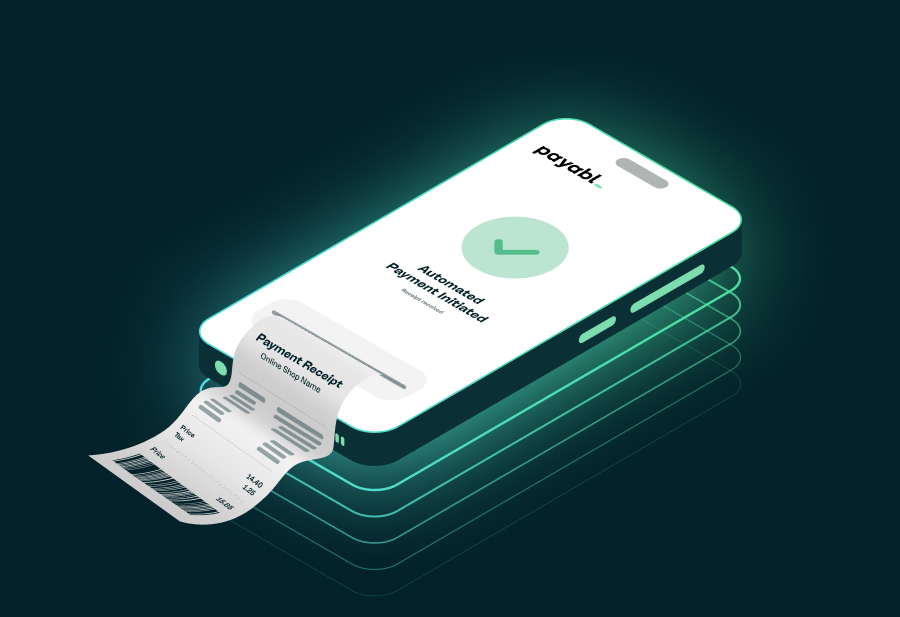
stripe can help automate areas such as payment collection, recurring billing, transaction management, and payment-related workflows. Automation does not eliminate the need for financial oversight, but it can reduce routine administrative work.
For a growing business, even small improvements can make a meaningful difference. Automating repetitive tasks allows employees to focus on higher-value responsibilities while maintaining a more organized payment operation.
Choosing the Right Payment Strategy
Although payment technology provides powerful capabilities, businesses should first understand their own requirements. The ideal setup for an international ecommerce company may be very different from the needs of a subscription-based software business.
Before implementing a payment solution, companies should evaluate:
- Their primary customer locations
- Preferred payment methods
- Currency requirements
- Billing model
- Expected transaction volume
- Security requirements
- Integration needs
- Reporting and reconciliation processes
This approach helps companies avoid selecting features they do not need while ensuring that important payment requirements are covered.
Preparing for the Future of Global Commerce
Digital commerce continues to evolve as customers become more comfortable purchasing products and services from businesses located anywhere in the world. Mobile payments, digital wallets, subscription models, automated billing, and localized checkout experiences are influencing how companies approach online transactions.
A flexible payment infrastructure can help businesses adapt to these changes. stripe provides a foundation that can support businesses as they experiment with new revenue models, enter additional markets, and improve their digital customer experiences.
The future of online commerce will likely place even greater emphasis on speed, convenience, security, and personalization. Businesses that prepare their payment processes around these expectations can position themselves for sustainable growth.
Strong Conclusion
Global commerce creates enormous opportunities, but international selling requires more than a great product and an attractive website. Customers need payment experiences that are convenient, trustworthy, and suitable for the markets in which they live. stripe helps simplify this complex area by providing payment infrastructure that can support different transaction methods, business models, currencies, and digital experiences. From one-time purchases to recurring subscriptions and international expansion, businesses can build payment workflows around their individual needs. Ultimately, successful online transactions are about removing unnecessary barriers between customers and businesses. By combining convenient checkout experiences, appropriate payment options, security, automation, and scalable infrastructure, online companies can make global commerce easier to manage and more accessible to customers around the world.