


In today’s digital landscape, content creation has become one of the most important elements of online success. Businesses, bloggers, entrepreneurs, and organizations all rely on high-quality content to attract audiences, build authority, and improve visibility. As content demands continue to grow, teams need efficient systems and collaborative environments to maintain consistency and quality. This is where StripesBlogTeam comes into focus.
The concept behind StripesBlogTeam revolves around creating a structured and collaborative blogging environment that supports content planning, writing, editing, publishing, and performance analysis. Rather than relying on individual efforts, it promotes teamwork, organization, and strategic content development. Whether managing a small blog or a large content platform, a well-organized blogging team can significantly improve productivity and results.
This comprehensive article provides a detailed overview of StripesBlogTeam, including its purpose, benefits, workflow, essential features, and future potential. By understanding how such a blogging structure operates, content creators can better optimize their publishing strategies and achieve long-term success.
Understanding StripesBlogTeam
At its core, StripesBlogTeam represents a collaborative content management approach designed to streamline blogging activities. It combines planning, creativity, editing, and publishing processes into a unified workflow that enables team members to work together efficiently.
Modern content creation requires more than simply writing articles. Teams must conduct research, identify target audiences, optimize content for search engines, ensure quality standards, and measure performance. A structured blogging team helps distribute these responsibilities among specialists, allowing each member to focus on their strengths.
The growing complexity of digital marketing has increased the importance of organized content operations. Through coordinated teamwork, content creators can maintain publishing schedules, improve consistency, and ensure that every piece of content aligns with broader business goals. This collaborative approach enhances both productivity and content quality while reducing workflow bottlenecks.
The Purpose of StripesBlogTeam
The primary objective of StripesBlogTeam is to create an efficient content ecosystem. Instead of relying on a single individual to handle every aspect of content production, responsibilities are distributed among team members with specific expertise.
A successful blogging team often focuses on several key goals:
- Maintaining consistent publishing schedules
- Improving content quality and accuracy
- Enhancing search engine visibility
- Increasing audience engagement
- Supporting brand growth
- Encouraging creative collaboration
- Streamlining editorial workflows
By pursuing these goals, teams can produce content that not only attracts readers but also supports long-term business objectives. The result is a more sustainable and scalable content strategy capable of adapting to changing market demands.
Key Components of a Successful Blogging Team
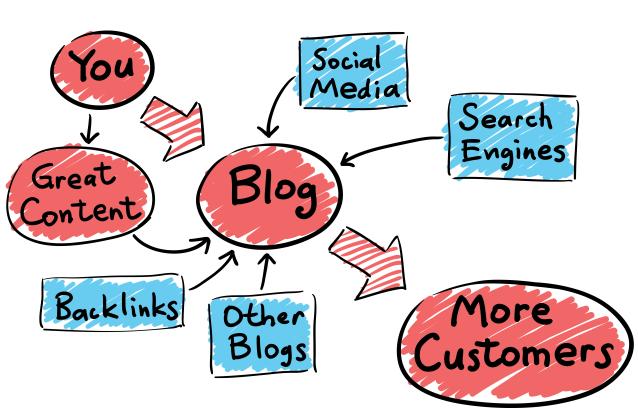
The effectiveness of StripesBlogTeam depends on the coordination of multiple roles and responsibilities. Each team member contributes unique skills that collectively strengthen the content creation process.
Content Strategists
Content strategists are responsible for planning the overall direction of content initiatives. They identify audience needs, research market trends, and establish content goals that align with organizational objectives.
Their responsibilities include:
- Keyword research
- Topic planning
- Editorial calendar creation
- Competitive analysis
- Performance monitoring
Strategists ensure that every article serves a purpose and contributes to broader content goals.
Writers and Content Creators
Writers form the backbone of any blogging team. They transform ideas, research, and strategic objectives into engaging articles that inform and educate readers.
Effective writers focus on:
- Clarity
- Accuracy
- Audience engagement
- SEO optimization
- Storytelling techniques
Their ability to communicate information effectively plays a crucial role in the overall success of the content strategy.
Editors and Quality Controllers
Editors review content before publication to ensure consistency, readability, and accuracy. Their work helps maintain professional standards across all published materials.
Editing tasks often include:
- Grammar correction
- Fact-checking
- Formatting improvements
- Tone consistency
- SEO review
This quality control process strengthens credibility and enhances the reader experience.
Benefits of StripesBlogTeam
Organizations that adopt the StripesBlogTeam approach often experience significant improvements in content performance and operational efficiency.
Improved Collaboration
Collaboration allows team members to share ideas, solve problems collectively, and contribute specialized expertise. This cooperative environment often leads to stronger content outcomes and innovative solutions.
When writers, editors, and strategists communicate effectively, projects move more smoothly from conception to publication.
Increased Productivity
A structured workflow minimizes confusion and reduces duplicated effort. Team members understand their responsibilities, deadlines, and expectations, allowing content production to proceed efficiently.
This improved productivity enables organizations to publish more frequently without sacrificing quality.
Better Content Quality
Multiple review stages help identify errors, inconsistencies, and opportunities for improvement before publication. As a result, readers receive more valuable, accurate, and polished content.
Higher quality content often generates stronger audience trust and engagement.
Essential Features of StripesBlogTeam
Several important features contribute to the effectiveness of the StripesBlogTeam model. These features support organization, communication, and performance management.
| Feature | Purpose | Benefit |
|---|---|---|
| Editorial Calendar | Content scheduling | Consistent publishing |
| Task Management | Responsibility tracking | Improved accountability |
| Content Review Process | Quality assurance | Better content quality |
| Analytics Monitoring | Performance evaluation | Data-driven decisions |
| Collaboration Tools | Team communication | Enhanced efficiency |
| SEO Optimization | Search visibility | Increased traffic |
These features work together to create a comprehensive framework that supports every stage of the content lifecycle.
Workflow Structure Within StripesBlogTeam
A clear workflow is one of the defining characteristics of StripesBlogTeam. Organized workflows help teams maintain consistency while reducing delays and confusion.
Research Phase
Every successful article begins with research. Team members gather information about audience interests, industry trends, and keyword opportunities.
Research activities may include:
- Audience analysis
- Competitor reviews
- Trend identification
- Keyword exploration
- Source evaluation
This foundation ensures that content topics remain relevant and valuable.
Content Creation Phase
Once research is complete, writers develop content based on strategic guidelines. During this phase, attention is given to readability, engagement, and optimization.
Writers typically focus on creating informative and compelling content that addresses audience needs while supporting business objectives.
Review and Approval Phase
Before publication, editors review the content for quality and consistency. Feedback is provided, revisions are made, and final approval is obtained.
This process helps maintain professional standards and ensures that published content reflects organizational values.
SEO and Content Optimization
Search engine optimization remains a critical component of modern blogging. A major strength of StripesBlogTeam is its ability to integrate SEO practices into the content creation process.
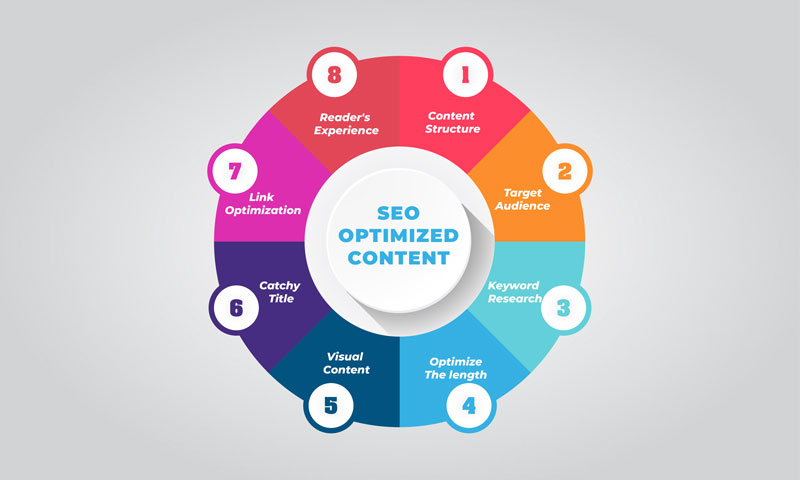
SEO efforts often include:
- Keyword targeting
- Internal content organization
- Meta description creation
- Heading optimization
- User experience improvements
When SEO considerations are incorporated from the beginning, content has a greater chance of achieving strong visibility in search results.
However, successful optimization extends beyond technical factors. Content must also provide genuine value to readers. Search engines increasingly prioritize user-focused content that addresses questions, solves problems, and demonstrates expertise.
By balancing SEO best practices with audience needs, blogging teams can achieve sustainable growth and improved organic traffic.
Communication and Team Coordination
Effective communication is essential for maintaining momentum within any content operation. Team members must stay informed about project updates, deadlines, revisions, and strategic changes.
Strong communication practices include:
- Regular team meetings
- Clear documentation
- Shared project tracking
- Constructive feedback systems
- Defined communication channels
These practices reduce misunderstandings and ensure that projects remain on schedule.
When communication is prioritized, collaboration becomes more productive and team morale often improves. Members gain a better understanding of organizational goals and can contribute more effectively toward shared objectives.
Measuring Success and Performance
Content performance measurement helps teams understand what works and where improvements are needed. Data-driven decision-making allows blogging teams to refine strategies and maximize results.
Key performance indicators may include:
Traffic Metrics
Traffic measurements reveal how many visitors interact with published content. These metrics help evaluate audience reach and content visibility.
Common indicators include page views, unique visitors, and traffic sources.
Engagement Metrics
Engagement metrics demonstrate how readers interact with content.
Examples include:
- Time spent on page
- Comments
- Social shares
- Click-through rates
- Return visits
High engagement often indicates that content is resonating with its intended audience.
Conversion Metrics
Conversions measure how effectively content supports organizational objectives.
These goals may involve:
- Newsletter sign-ups
- Product inquiries
- Lead generation
- Account registrations
- Purchases
Tracking conversions helps determine the business impact of content initiatives.
Challenges and Solutions
While the StripesBlogTeam model offers numerous advantages, teams may encounter challenges as they grow and evolve.
Maintaining Consistency
As more contributors join the team, maintaining a consistent voice and style can become difficult.
Solutions include:
- Editorial guidelines
- Style documentation
- Standardized review procedures
These measures help preserve brand identity across all published content.
Managing Deadlines
Content schedules can become difficult to maintain when multiple projects overlap.
Project management systems, content calendars, and clear accountability structures help reduce delays and improve workflow efficiency.
Adapting to Industry Changes
The digital content landscape evolves rapidly. Teams must stay informed about emerging technologies, search engine updates, and audience preferences.
Continuous learning and regular strategy reviews help ensure long-term relevance and competitiveness.
The Future of StripesBlogTeam
The future of StripesBlogTeam reflects broader trends in content marketing and digital collaboration. As technology advances, blogging teams are likely to benefit from increasingly sophisticated tools and workflows.
Artificial intelligence, automation, predictive analytics, and advanced collaboration platforms are already transforming content operations. These innovations can support research, optimization, scheduling, and performance analysis while allowing human creators to focus on creativity and strategic thinking.
Future blogging teams may also place greater emphasis on personalization, audience segmentation, and multimedia content creation. Organizations that embrace innovation while maintaining strong editorial standards will be well-positioned for continued growth.
Despite technological advancements, the fundamental principles of successful blogging remain unchanged: understanding audiences, delivering value, maintaining quality, and fostering effective collaboration.
Conclusion
A strong content strategy requires more than individual effort. It depends on organization, collaboration, quality control, and strategic planning. The StripesBlogTeam approach provides a framework that brings these elements together, creating a structured environment for sustainable content success.
Throughout this overview, we explored how StripesBlogTeam supports content creation through coordinated workflows, specialized roles, performance tracking, and continuous improvement. From research and writing to editing and optimization, every stage benefits from teamwork and clear processes.
As digital competition continues to increase, organizations that invest in collaborative content systems will be better equipped to meet audience expectations and achieve long-term growth. By focusing on quality, consistency, and strategic execution, StripesBlogTeam serves as a valuable model for modern blogging operations, helping creators produce impactful content that drives engagement, builds authority, and supports lasting success.