


Introduction
The growth of online shopping has changed the way businesses communicate with their customers. Consumers now expect more than attractive product pages and convenient payment options. They also want quick responses, clear transaction information, reliable assistance, and a smooth checkout experience. For online merchants, providing effective communication throughout the purchasing journey has become an important part of building customer confidence. A simple question about a failed payment, an unexpected transaction notification, or a refund request can influence whether someone completes a purchase or chooses another online store.
This is where Stripe Chat becomes a relevant topic for businesses exploring better payment-related communication. Stripe is widely recognised for its payment processing infrastructure, financial tools, and services that help businesses accept and manage online transactions. Its customer support channels also provide ways for merchants to seek assistance when they encounter payment or technical difficulties. At the same time, modern merchants can combine payment technology with their own customer messaging systems to make online shopping more convenient and transparent.
Understanding how communication and payment technology work together can help businesses improve customer experiences, manage transaction-related questions, and develop stronger relationships with buyers. By focusing on accessibility, security, and clear information, online merchants can create a more dependable purchasing environment.
What Is Stripe Chat and Why Is It Relevant to Online Merchants?
Stripe Chat can be understood as a search term associated with chat-based communication, payment assistance, and customer support within the broader Stripe ecosystem. It is important to understand that Stripe provides several official support channels, including chat support, but the term should not automatically be treated as the name of a separate standalone payment product. Merchants can use Stripe’s available support services to discuss account-related concerns, payment processing questions, and technical issues.
For online businesses, payment communication is an important part of the overall customer experience. Customers may need assistance understanding a transaction, confirming whether a payment has succeeded, or resolving an issue during checkout. When businesses provide accessible communication options, they can reduce uncertainty and help customers make informed purchasing decisions. This approach is particularly useful for online stores that handle frequent orders, recurring payments, or customers from different geographical locations.
Understanding the Connection Between Stripe and Payment Communication
Stripe offers payment infrastructure that allows businesses to accept digital payments through websites, applications, and other online platforms. Its services include payment processing, checkout solutions, billing management, fraud prevention tools, and transaction monitoring. These capabilities help businesses manage important financial activities while providing customers with convenient payment experiences.
Communication supports these activities by helping merchants understand and resolve problems that may occur during transactions. For example, a customer might receive a payment failure notification even though their bank has temporarily authorised the transaction. Another buyer may want clarification about a duplicate charge or the expected timing of a refund. In such situations, clear communication between the merchant, customer, and payment provider can help prevent misunderstandings. Stripe’s official support options allow merchants to seek guidance about their accounts and payment-related concerns.
How Better Payment Communication Benefits Online Businesses
1. Creates a More Convenient Customer Experience
Convenience is one of the most important factors influencing online purchasing decisions. Customers generally prefer businesses that make it easy to find information and receive assistance whenever they encounter difficulties. A well-organised communication system helps shoppers get answers without navigating multiple support channels or waiting unnecessarily for a response.
For example, imagine a customer purchasing an electronic product from an online store. During checkout, the payment appears unsuccessful, but the customer is unsure whether the amount has been deducted. If the merchant provides a clear support process and explains how transaction confirmation works, the customer can understand the situation more easily. This reduces frustration and makes the purchasing experience more comfortable.
2. Helps Resolve Payment-Related Questions
Payment problems can occur for several reasons, including incorrect card details, insufficient funds, bank restrictions, authentication requirements, or temporary technical interruptions. Without proper explanations, customers may assume that the online store is unreliable or that their money has been lost.
A structured communication process allows businesses to collect relevant information and investigate the issue. Merchants can review transaction details through their payment dashboard, explain the available next steps, and provide appropriate updates. When the problem requires payment-provider assistance, they can contact the relevant support team.
3. Builds Customer Confidence and Trust
Trust plays a major role in digital commerce because customers cannot physically inspect most online businesses before making a purchase. They rely on website information, payment security, customer reviews, and support quality when deciding whether a merchant is dependable.
Transparent communication helps establish this confidence. Businesses should explain payment methods, transaction confirmation, refund procedures, and order-related policies in simple language. When customers know how to receive assistance, they are more likely to feel comfortable completing transactions. Consistent communication also helps businesses maintain long-term customer relationships.
Important Communication Features for Modern Payment Experiences
Effective payment communication involves more than simply providing a messaging window. Businesses need to consider the information customers require before, during, and after completing a transaction. The right communication approach should make important details accessible without creating unnecessary complications.
Some useful communication elements include:
- Transaction updates: Inform customers when payments are successful, pending, or unsuccessful.
- Order assistance: Help shoppers understand order confirmations and payment-related delays.
- Refund explanations: Provide clear information about refund processing and expected timelines.
- Technical guidance: Explain common checkout problems and the appropriate troubleshooting steps.
These elements can be integrated into a merchant’s existing website, customer relationship management system, or support platform. The goal is to create a consistent experience in which customers can understand what is happening with their transactions.
How Stripe Chat Can Support Merchant Operations
Communication With Payment Support Teams
Online merchants sometimes encounter situations that require assistance from payment specialists. These may include account verification questions, integration difficulties, payment disputes, payout concerns, or unexpected transaction behaviour. Access to appropriate support channels can make it easier to understand the problem and identify possible solutions.
Stripe provides customer support through channels such as chat, email, and phone, depending on the available support arrangements. Merchants can use these services to discuss account and technical questions. The Stripe Dashboard also provides tools for managing payments, refunds, disputes, and account-related activities. Having these resources available helps businesses handle operational concerns more systematically.
Managing Customer Expectations During Transactions
Customers appreciate knowing what happens after they submit their payment information. A payment may require additional authentication, remain pending while a bank processes the request, or fail because of a temporary issue. Clear explanations help customers understand these different situations.
For example, an online subscription business can inform customers when a recurring payment is approaching, when a charge has been completed, or when an updated payment method is required. These notifications help prevent confusion and reduce avoidable support requests. Merchants should ensure that their messages are accurate and consistent with the actual payment status.
Supporting International Customers
Businesses selling products internationally often serve customers who use different currencies, payment methods, languages, and banking systems. This creates additional communication requirements because customers may not be familiar with the payment process used by a particular merchant.
A useful support system should explain accepted payment methods, currency conversion information where applicable, authentication requirements, and transaction confirmation. Stripe’s international payment capabilities can help eligible businesses accept payments across different markets. Merchants must still communicate applicable fees, local payment conditions, and refund policies clearly.
Stripe Chat Compared With Traditional Customer Support Methods
Traditional customer support often depends heavily on email exchanges or telephone conversations. These methods remain useful, but they may not always provide the convenience customers expect from modern online businesses. Chat-based communication can make it easier to ask short questions, clarify payment information, and receive guidance without switching between several communication channels.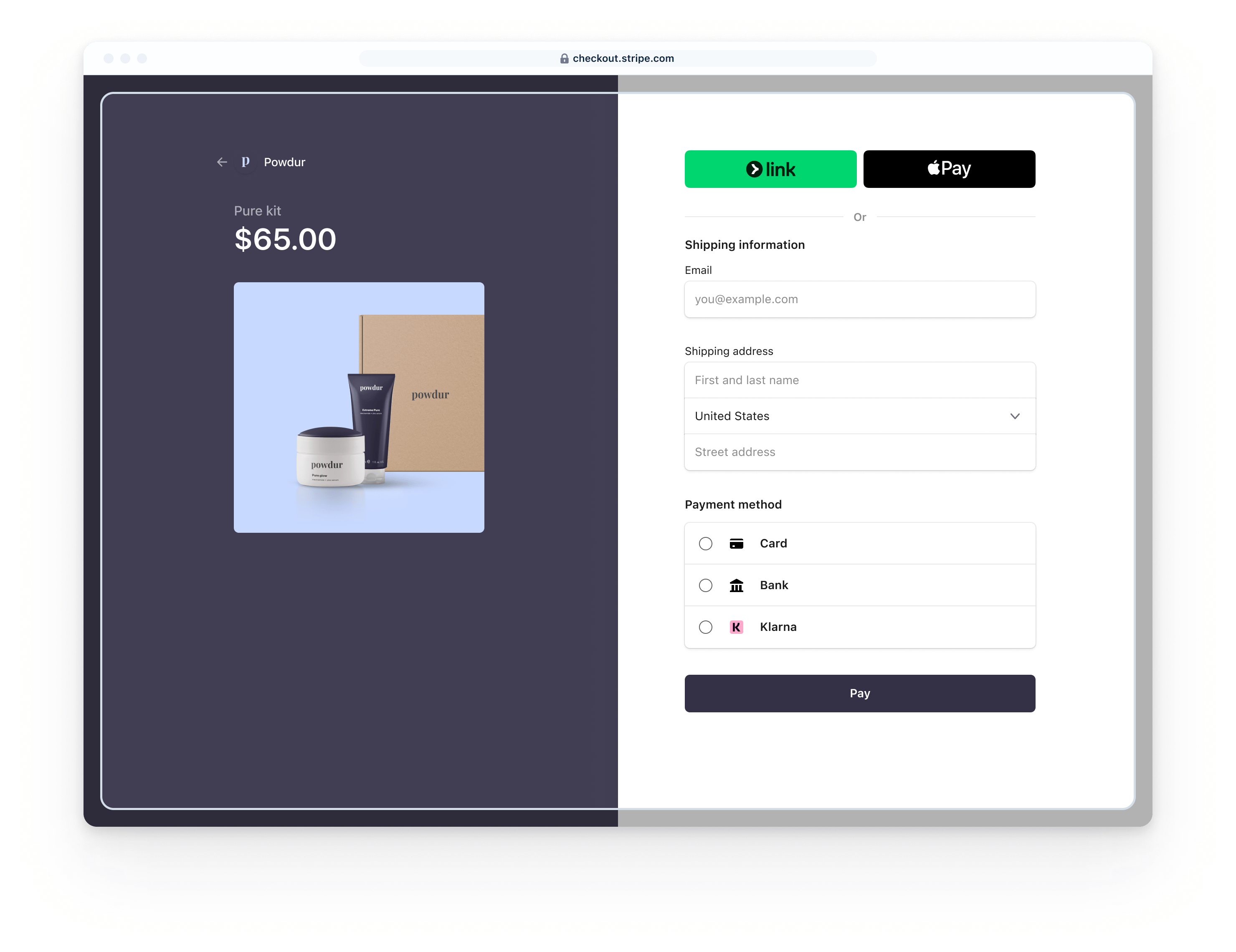
However, chat is not necessarily the best solution for every situation. Complex billing investigations, formal complaints, and sensitive account-related matters may require additional verification or detailed documentation. Merchants should select communication channels according to the nature of the problem rather than relying entirely on one method.
| Communication Method | Main Purpose | Potential Business Benefit |
|---|---|---|
| Live chat | Real-time customer assistance | Faster clarification of common questions |
| Email support | Detailed communication and documentation | Useful records of customer interactions |
| Phone support | Direct discussion of complicated issues | Personal assistance for complex concerns |
| Automated notifications | Payment and order updates | Reduced uncertainty about transactions |
| Help centre | Self-service information | Fewer repetitive support requests |
A combination of these methods can provide a balanced support experience. Businesses can use automated updates for routine information, chat for straightforward questions, and email or phone communication when more detailed investigation is necessary.
The Role of Security in Payment Communication
Security is essential whenever customers discuss financial transactions online. Payment-related conversations may involve order references, account information, transaction details, or other sensitive data. Merchants must establish clear rules about what information can safely be shared through customer support channels.
A responsible communication system should avoid requesting complete card numbers, card security codes, passwords, or one-time authentication codes through ordinary chat messages. Customers should be directed towards secure payment pages and official account verification procedures whenever necessary. Employees must also understand how to recognise suspicious requests and protect customer information.
Stripe provides security-related capabilities as part of its payment infrastructure, but merchants remain responsible for protecting their own websites, communication platforms, employee accounts, and business processes. Security should be treated as an ongoing responsibility rather than a one-time technical installation.
How Online Merchants Can Improve Their Payment Communication Strategy
Businesses do not need complicated communication systems to improve customer support. A clear strategy, properly trained employees, and reliable payment notifications can make a meaningful difference. Merchants should first identify the questions customers commonly ask and then organise their support resources around those needs.
For instance, an online clothing store may regularly receive questions about successful payments, order confirmations, refunds, and delivery delays. Creating clear answers for these topics can help support employees respond consistently. A technology business may need more detailed assistance for subscription renewals, billing changes, and account verification.
Merchants should also review their communication performance regularly. Monitoring response times, customer feedback, unresolved enquiries, and repeated payment complaints can reveal areas that require improvement. If customers frequently ask whether their payments have succeeded, the business may need clearer confirmation messages. If refund questions occur repeatedly, the refund policy may need better explanations.
Practical Steps to Build a Better Payment Communication Experience
Businesses can develop a stronger payment communication process by following a few practical steps.
1. Make Payment Information Easy to Understand
Avoid complicated financial terminology when communicating with customers. Explain transaction statuses, payment failures, refund procedures, and billing conditions in straightforward language. Customers should not need technical knowledge to understand what has happened to their money.
2. Provide Multiple Support Options
Different customers prefer different communication methods. Offering suitable options such as live chat, email, and a help centre can make assistance more accessible. The available channels should be clearly displayed so customers know where to seek help.
3. Train Customer Support Employees
Support employees should understand common payment issues, transaction statuses, refund procedures, and account security requirements. Proper training helps them provide accurate answers and recognise situations that need escalation to technical or payment specialists.
4. Review Customer Feedback
Customer feedback can reveal problems that businesses may overlook. Regularly reviewing complaints and common enquiries helps merchants improve checkout instructions, payment notifications, and support procedures.
Is Stripe Chat Suitable for Small and Growing Businesses?
Small businesses often operate with limited staff and financial resources. They need payment and communication solutions that are practical, affordable, and easy to manage. A structured support process can help smaller merchants provide a professional experience without building a large customer service department.
For example, a small online store can use automated payment notifications for routine updates and reserve direct customer assistance for complicated questions. Its employees can use the Stripe Dashboard to review relevant payment information and contact official support when they need help with account or integration issues.
Growing businesses may require more advanced communication arrangements. As transaction volumes increase, customer enquiries can become more frequent and complex. At this stage, integrating customer support software with order management and payment workflows may improve efficiency. The right setup depends on business size, transaction volume, customer expectations, and available resources.
Future of Payment Communication in Digital Commerce
Digital commerce continues to evolve as businesses adopt artificial intelligence, automation, mobile payments, and more personalised customer experiences. These developments are changing how merchants communicate with shoppers and manage payment-related activities.
AI-powered support systems can help answer common questions, categorise customer enquiries, and direct complicated problems to human employees. Automated communication can also provide transaction updates and reminders based on specific events. However, businesses must ensure that automated responses remain accurate and do not create misleading expectations about payment outcomes.
Another important development is the integration of payment experiences into conversational interfaces. Customers increasingly expect convenient digital experiences across websites, mobile applications, and other online platforms. Stripe’s evolving checkout capabilities, including more customisable embedded payment experiences, demonstrate how payment interfaces can be adapted to different digital environments. Such developments create opportunities for businesses to make purchasing more accessible while maintaining appropriate security and payment controls.
In the coming years, successful merchants will likely focus on combining reliable payment infrastructure with responsive customer communication. Businesses that balance automation, personal assistance, and data protection will be better positioned to meet changing customer expectations.
Conclusion
Better payment communication is an essential part of building a reliable online business. Customers want to understand their transactions, receive accurate updates, and obtain assistance when payment-related problems occur. Merchants that prioritise these requirements can create more convenient purchasing experiences and strengthen customer confidence.
Stripe offers payment infrastructure and support resources that help businesses manage important transaction-related activities. Although Stripe Chat should not be confused with a separate standalone Stripe product, the concept highlights the importance of connecting payment assistance with effective digital communication. Merchants can combine available Stripe support services with their own customer messaging solutions to address common questions and improve operational efficiency.
Ultimately, successful online commerce depends on more than processing payments. It also requires clear information, responsible security practices, and consistent customer support. By developing a thoughtful communication strategy, online merchants can reduce confusion, improve customer satisfaction, and build stronger relationships in an increasingly competitive digital marketplace.