


Introduction
Online shopping has become an essential part of everyday life, and customers now expect businesses to provide convenient, fast, and reliable payment experiences. Whether someone is purchasing clothing, subscribing to a digital service, booking an appointment, or ordering products from an online store, the checkout process plays an important role in the overall shopping experience. A complicated payment process can discourage customers from completing their purchases, while a simple and well-organized checkout can help businesses build trust and improve customer satisfaction. For this reason, choosing an appropriate payment solution has become an important decision for businesses operating in the digital marketplace.
The Stripe Payment Gateway is one of the payment technologies businesses can consider when they want to manage online transactions and create smoother checkout experiences. It provides payment processing capabilities that support different business models, including online stores, subscription services, digital platforms, and other internet-based businesses. Its combination of payment tools, integration options, and security features makes it relevant to companies looking for flexible ways to accept payments.
As digital commerce continues to develop, businesses must pay attention to changing customer expectations, mobile shopping habits, payment preferences, and online security. Understanding how modern payment processing works can help business owners make informed decisions about their checkout systems. Exploring the features, advantages, limitations, and practical applications of Stripe can provide useful insights into creating a more convenient payment experience.
Understanding the Role of Modern Payment Gateways
A payment gateway is a technology that helps businesses accept and process electronic payments. When customers enter their payment information during checkout, the gateway securely transfers relevant transaction information between the customer, the merchant, and the payment processing network. The system helps communicate whether a transaction has been approved or declined, allowing the business to complete the purchasing process.
Modern payment gateways do much more than simply accept card details. They can support different payment methods, provide transaction records, assist with fraud prevention, and connect with business management systems. These capabilities are particularly valuable for companies that handle multiple transactions every day. Instead of managing payments manually, businesses can use automated systems to organize payment activities and monitor their financial operations.
Customer expectations have also changed significantly. People increasingly prefer checkout experiences that require fewer steps and provide clear information about prices, taxes, delivery charges, and payment confirmation. A well-designed gateway supports these expectations by helping businesses create a more organized transaction process.
How Stripe Payment Gateway Simplifies Customer Checkout
One of the most important reasons businesses explore modern payment technologies is the opportunity to make checkout easier. Customers generally want to complete purchases without unnecessary forms, confusing instructions, or repeated payment attempts. A reliable payment solution can reduce friction by providing an organized interface and supporting convenient transaction methods.
Stripe Payment Gateway offers payment processing capabilities that businesses can integrate into their websites, mobile applications, and digital platforms. Depending on the selected integration, merchants can create hosted checkout pages or build customized payment experiences. This flexibility allows businesses to choose an approach that matches their technical resources and customer requirements.
For example, an online clothing store may want customers to select products, review their orders, and complete payments without leaving the shopping experience. A digital subscription company may need a payment process that supports recurring billing. Both businesses have different requirements, but an adaptable payment system can help them organize these activities more efficiently.
Another important aspect of checkout simplicity is transparency. Customers should understand the amount they are paying and receive clear confirmation after completing a transaction. Providing this information reduces confusion and creates a more professional purchasing experience.
Important Features That Support Online Transactions
Payment technology has developed to support a wider range of business requirements. Businesses no longer depend exclusively on traditional card payments because customers may prefer digital wallets, bank-based methods, or region-specific payment options. A flexible payment platform can help merchants serve different customer groups while maintaining a consistent checkout experience.
The following features are particularly relevant when evaluating a payment processing solution.
Multiple Payment Method Support
Customers have different payment preferences depending on their location, devices, and shopping habits. Some prefer debit or credit cards, while others use digital wallets or locally available payment methods. Supporting relevant options can make checkout more convenient and help businesses serve a broader audience.
Stripe supports several payment methods, although availability depends on the country, business eligibility, currency, and payment configuration. Businesses should review which methods are supported in their operating regions before making implementation decisions.
Customizable Checkout Experiences
A checkout page represents an important part of a business’s digital identity. Its appearance, layout, and instructions influence how customers interact with the purchasing process. Businesses may prefer a simple hosted checkout experience or a more customized payment interface that matches their website design.
Customization can help maintain visual consistency and make customers more comfortable when completing transactions. However, businesses should avoid adding unnecessary design elements that make payment pages difficult to understand. Clear labels, readable text, and straightforward instructions are generally more valuable than complicated visual effects.
Recurring Billing and Subscription Management
Subscription-based businesses require payment systems that can manage repeated transactions. Examples include online learning platforms, streaming services, software companies, and membership websites. These businesses need processes for recurring charges, billing schedules, customer notifications, and subscription changes.
Stripe provides subscription and billing tools that can help businesses manage these activities. Depending on the selected configuration, companies can establish recurring payment plans, handle different billing intervals, and monitor subscription-related transactions. This can reduce repetitive administrative work and make payment management more organized.
Transaction Monitoring and Reporting
Understanding payment activity is important for managing an online business. Transaction reports help merchants review successful payments, identify declined transactions, monitor refunds, and understand general payment trends.
Access to organized payment information can also support better business decisions. For example, a merchant may notice that customers frequently experience failed payments during a particular checkout stage. Investigating this pattern can help identify technical problems or opportunities to improve the purchasing process.
Security and Customer Trust in Digital Payments
Security is one of the most important considerations when accepting payments online. Customers expect businesses to handle their financial information responsibly, while merchants must protect their payment environments against unauthorized access, fraudulent activity, and data-related risks. A payment system should therefore be selected with careful attention to its security capabilities and compliance requirements.
Stripe provides security-related technologies, including encryption, tokenization, and tools designed to support payment fraud prevention. It also supports payment card industry compliance requirements through its infrastructure and integration options. However, the exact compliance responsibilities of a business depend on how its payment system is implemented and which information it handles directly.
Stripe Radar is one of the platform’s fraud prevention offerings. It uses machine learning and transaction-related signals to help identify potentially suspicious payment activity. Businesses can use available fraud management tools to review risks and configure suitable controls. These systems can reduce exposure to certain fraudulent transactions, but they cannot guarantee that every suspicious payment will be detected.
Customer trust also depends on transparent communication. Businesses should explain their payment policies, provide accurate order confirmations, and make refund or support procedures easy to understand. When customers feel confident about the purchasing process, they are more likely to develop a positive relationship with the brand.
Benefits for Different Types of Businesses
Different businesses have different payment requirements. A small online store may prioritize straightforward payment acceptance, while a large digital platform may require advanced integrations and detailed transaction management. Understanding these differences helps companies determine whether a particular payment solution matches their operational needs.
Stripe Payment Gateway can support several types of business models through its payment processing and related financial technology tools. Its usefulness depends on the business location, integration requirements, payment methods, and available services.
Small and Medium-Sized Businesses
Small businesses often operate with limited technical and administrative resources. They need payment solutions that are relatively easy to implement and capable of handling everyday transactions. An organized payment system can help reduce manual payment management and provide a more professional experience for online customers.
For example, a small business selling handmade products may want to accept card payments without developing a complicated payment infrastructure. A suitable checkout integration can help the owner focus more on product quality, customer service, and order fulfillment.
E-Commerce Companies
Online retailers frequently handle payments involving different products, order values, delivery arrangements, and customer preferences. Their checkout systems must provide accurate transaction information while supporting a convenient purchasing experience.
Payment processing tools can help these businesses manage orders and monitor transaction results. Retailers can also use payment analytics to identify patterns, such as frequently declined payments or changes in purchasing activity.
Subscription-Based Platforms
Businesses that charge customers on a recurring basis need reliable billing management. Manual collection of subscription payments can become difficult as the customer base grows. Automated billing tools can help manage scheduled payments, subscription changes, and billing records.
For example, an educational platform offering monthly learning memberships may use recurring billing to simplify payment collection. Customers can subscribe to an appropriate plan, while the business can organize billing activities through its payment management system.
Digital Service Providers
Consultants, freelancers, software developers, and other service providers may need online payment options for individual projects or ongoing services. A suitable payment integration can help them collect payments from clients and maintain transaction records.
The ability to support different payment structures is especially useful when service providers work with customers across multiple markets.
Comparing Important Payment Gateway Considerations
Before choosing a payment solution, businesses should compare the features that matter most to their operations. Looking only at transaction fees or brand popularity may result in a decision that does not support long-term requirements. Factors such as regional availability, integration complexity, supported currencies, customer experience, and administrative tools deserve equal attention.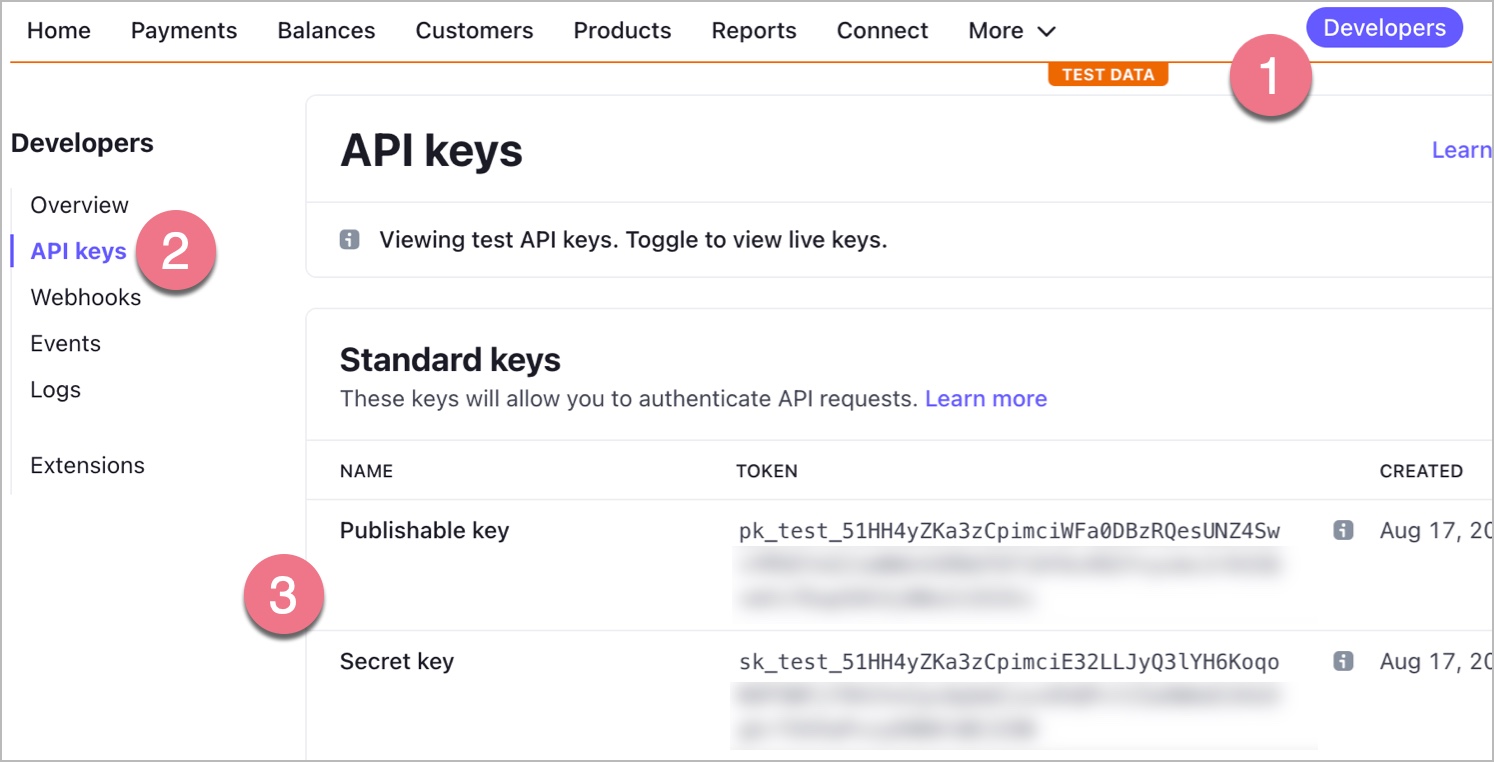
The following table highlights important areas businesses can evaluate when considering Stripe.
| Evaluation Factor | What Businesses Should Consider | Potential Value |
|---|---|---|
| Payment methods | Cards, wallets, and local options | Greater customer convenience |
| Checkout design | Hosted or customized checkout | Better purchasing experience |
| Security | Encryption and fraud prevention | Improved payment protection |
| Integration | Website and application compatibility | Easier payment implementation |
| Reporting | Transaction records and analytics | Better financial visibility |
| Billing | One-time and recurring payments | Flexible business operations |
| International support | Available countries and currencies | Opportunities to reach wider markets |
This comparison shows that payment processing should be evaluated as part of a larger business strategy. A gateway that works well for one company may not be suitable for another. Businesses should identify their actual payment requirements and compare available solutions before selecting a provider.
The Role of Mobile-Friendly Checkout Experiences
Mobile commerce has become an important part of digital shopping. Customers frequently browse products, compare prices, and make purchases through smartphones. As a result, businesses must ensure that their checkout processes work properly across different screen sizes and devices.
A mobile-friendly checkout should display payment information clearly, provide accessible input fields, and avoid unnecessary steps. Customers should not need to zoom repeatedly or struggle with poorly arranged buttons. Even a technically functional payment system can create a frustrating experience if its interface is not optimized for mobile users.
Stripe offers integration options that businesses can use to develop mobile payment experiences. Its hosted checkout and other payment components can help developers create transaction interfaces suitable for different platforms. However, the overall mobile experience also depends on the website design, application performance, and quality of implementation.
Businesses should test their checkout systems on multiple devices before launching them. Testing helps identify problems involving page loading, payment field visibility, error messages, and transaction confirmation. Small improvements in these areas can make the purchasing process more comfortable for customers.
Integration and Technical Flexibility
Integration is another important factor when selecting a payment processing platform. Businesses may already use e-commerce software, content management systems, mobile applications, accounting tools, or customer management platforms. A payment system should work effectively with the existing technology wherever possible.
Stripe provides application programming interfaces and software development tools that allow developers to connect payment functionality with digital products. These options are useful for businesses that require customized workflows, advanced payment experiences, or connections with other software systems.
Companies with limited technical knowledge may prefer available integrations or hosted payment options rather than developing everything independently. Larger organizations may have development teams capable of building customized solutions. The appropriate choice depends on the company’s budget, technical resources, and operational requirements.
Another consideration is ongoing maintenance. Payment integrations should be reviewed when websites, applications, or third-party services are updated. Developers should also monitor technical documentation and make necessary changes when payment requirements evolve. A properly maintained integration can support a more consistent checkout experience over time.
Current Trends Shaping the Online Payment Industry
The online payment industry continues to change as technology, customer behavior, and regulatory requirements develop. Businesses are increasingly focusing on convenient digital experiences rather than treating payment processing as a separate activity. Checkout systems are becoming more connected with shopping platforms, customer management tools, subscription services, and financial reporting systems.
One major trend is the growing use of digital wallets and alternative payment methods. Customers increasingly expect businesses to offer payment choices that match their devices and regional preferences. This development encourages merchants to evaluate payment flexibility when selecting their technology providers.
Another important trend is the use of automation and artificial intelligence in fraud prevention. Payment providers are developing systems that analyze transaction signals to identify unusual behavior. These technologies can support risk management, although businesses still need appropriate internal procedures and human review for important payment decisions.
Real-time payment experiences and improved mobile interfaces are also influencing customer expectations. People want clear transaction updates and fewer unnecessary steps. Businesses that regularly review checkout performance can identify areas where their payment experiences need improvement.
Practical Tips for Improving Checkout Performance
Selecting a payment provider is only one part of building a successful online checkout process. Businesses must also pay attention to the way payment options are presented and how customers move through the purchasing journey. A few practical improvements can make the experience easier to understand and use.
-
Keep the checkout layout simple, organized, and mobile-friendly.
-
Display the total order amount clearly before payment confirmation.
-
Offer relevant payment methods based on customer preferences and location.
-
Provide clear messages when a transaction succeeds or fails.
-
Review transaction reports to identify recurring payment problems.
These practices can help businesses create a more consistent payment experience. Regular testing is equally important because customer expectations, device usage, and payment preferences can change over time.
Understanding Fees, Availability, and Limitations
Although payment platforms provide useful features, businesses should carefully review their pricing structures before choosing a provider. Payment processing fees can vary depending on the country, payment method, currency conversion, transaction type, and additional services. Some transactions may also involve fees for international cards, disputes, or currency-related services.
Stripe’s pricing is not identical across every market. Businesses operating in India should review the current India-specific pricing, supported business categories, account eligibility, settlement requirements, and available payment methods. They should also understand the documentation and verification procedures required during account setup.
Availability is another important consideration. Not every Stripe feature or payment method is available in every country. Businesses planning international operations should confirm whether their target markets and currencies are supported. They should also examine how refunds, chargebacks, settlement timelines, and customer support procedures work.
Technical flexibility can also introduce challenges. Customized integrations may require development knowledge, testing, and ongoing maintenance. Companies should consider these responsibilities when estimating the overall cost of implementing a payment system. A clear understanding of fees and limitations helps businesses avoid unexpected operational difficulties.
How Businesses Can Choose the Right Payment Solution
Choosing a payment provider requires more than comparing feature lists. Businesses should begin by understanding their customer base, average transaction value, expected payment volume, and geographical requirements. A company serving customers in one country may have different priorities from an international e-commerce business.
Stripe Payment Gateway may be a suitable option for businesses that want configurable payment processing, developer-friendly integrations, and access to additional billing or fraud management tools. However, the final decision should depend on practical requirements rather than popularity alone.
Businesses should consider the following questions during their evaluation:
-
Does the provider support the countries and currencies relevant to the business?
-
Are the available payment methods suitable for the target customers?
-
Can the payment solution integrate with the existing website or application?
-
Are the processing fees and additional charges financially reasonable?
-
Does the provider offer the reporting and security capabilities the business requires?
A trial implementation or controlled testing process can also help businesses evaluate the checkout experience before making it available to all customers. This approach allows technical teams to identify problems and make improvements without unnecessarily disrupting regular operations.
Conclusion
A convenient checkout experience is an important part of successful online business operations. Customers expect secure transactions, clear payment information, flexible options, and a straightforward purchasing journey. Businesses that ignore these expectations may experience unnecessary checkout difficulties, while those that invest in suitable payment technology can create a more organized and customer-friendly experience.
Stripe Payment Gateway offers payment processing, customizable integration options, billing capabilities, and security-related tools that can support different digital business models. Its features may be useful for online retailers, subscription platforms, service providers, and companies developing digital products. However, businesses should carefully evaluate regional availability, transaction charges, technical requirements, and operational limitations before implementing the platform.