


Introduction
The growth of online shopping has changed the way businesses sell products and interact with customers. Digital stores now serve buyers across different locations, operate through multiple sales channels, and compete in an environment where customers expect convenient, secure, and reliable payment experiences. Whether a business sells clothing, electronics, digital subscriptions, software, or handmade products, providing a smooth checkout process has become an important part of building customer confidence. A complicated payment experience can discourage potential buyers, while a simple and familiar checkout can make completing an order easier.
Payment technology plays an important role in supporting these expectations. Businesses need solutions that can process transactions, organize payment information, support different payment preferences, and work alongside their existing online platforms. Stripe Payment Gateway is one option businesses can explore when developing or improving their digital payment systems. It offers payment infrastructure and tools designed to help businesses accept payments online and manage different parts of the transaction process.
Understanding how payment technology works can help store owners make more informed decisions. Instead of choosing a payment solution based only on popularity, businesses should consider their operating model, customer locations, transaction volume, security requirements, and future expansion plans. The right payment setup can support a more organized shopping experience while giving businesses room to adapt as their digital operations grow.
Understanding the Role of Online Payment Solutions in Digital Stores
Online payment solutions act as the connection between a customer’s preferred payment method and a store’s ability to receive money. When a shopper places an order, the payment system helps collect the necessary information, communicate with financial institutions, verify the transaction, and provide a payment result. This process generally takes place within seconds, although additional verification may sometimes be required. A reliable payment setup also helps businesses maintain transaction records and manage refunds, making everyday operations more organized.
Modern payment platforms offer more than basic card processing. They can provide checkout customization, recurring billing, payment reporting, fraud monitoring, and support for international customers. These capabilities are particularly useful for businesses that want to move beyond a simple online storefront and develop a complete digital commerce operation.
How Stripe Payment Gateway Supports Online Transactions
Stripe Payment Gateway provides businesses with infrastructure for accepting and managing digital payments. Its payment services are designed for different business models, including traditional online shops, subscription-based services, software companies, and digital marketplaces. Depending on the integration selected, businesses can use hosted checkout pages, embedded payment forms, or customized payment experiences that fit their websites and applications.
One important advantage of this approach is flexibility. A small online store may prefer a ready-made checkout experience because it requires less development work, while a larger business may want more control over the payment process. Developers can also use application programming interfaces to connect payment functionality with inventory systems, customer accounts, order management tools, and other business applications. This makes it possible to build a payment process around the store’s actual requirements rather than changing the entire business workflow to accommodate a payment provider.
Another useful feature is centralized payment management. Store owners can review transaction information, monitor payment activity, issue eligible refunds, and examine important financial details through a management dashboard. Having these functions in one place can make it easier to understand how customers are paying and identify areas where the checkout experience might need improvement.
Flexible Checkout Experiences for Different Business Models
Checkout is one of the most important stages of an online shopping journey. Customers usually want to complete purchases without unnecessary steps, confusing instructions, or unexpected errors. A payment page that works smoothly across different devices can help create a more comfortable buying experience. Businesses should therefore consider both the appearance and functionality of their checkout process when selecting a payment solution.
Stripe provides different checkout options for businesses with varying technical requirements. Its hosted checkout experience allows merchants to direct customers to a payment page managed by the provider. Businesses that prefer to keep customers on their websites can explore embedded payment components. More advanced organizations can use customizable elements to develop a payment interface that follows their branding and application design. These options support different levels of control and development effort.
For example, an online clothing store might use a straightforward checkout page where customers review their products, enter delivery information, and complete payment. A software company selling monthly plans may require a checkout experience that supports recurring charges and subscription options. A digital marketplace may need a more advanced arrangement for handling payments between buyers and multiple sellers. The ability to choose an appropriate payment structure helps businesses create experiences that match their individual operating models.
Supporting International Customers and Multiple Currencies
International selling has become an important growth opportunity for many digital businesses. Online stores can reach customers beyond their domestic markets, but accepting payments from different countries introduces additional requirements. Currency preferences, card networks, regional regulations, conversion costs, and payment authentication can all influence the transaction process. A payment platform that supports international operations can help businesses manage some of these challenges.
Stripe offers international payment capabilities, including support for numerous currencies and payment methods in eligible markets. Its checkout services can display prices in different currencies and provide payment experiences adapted to supported customer locations. These capabilities can be useful for businesses selling downloadable products, online courses, software subscriptions, and physical goods to international buyers. However, payment method availability depends on the merchant’s country, account configuration, and customer location.
Consider an Indian software company that sells a subscription to customers in several countries. International buyers may prefer to view prices in a familiar currency rather than calculate an approximate conversion themselves. A suitable international payment arrangement can make pricing easier to understand and help the company organize cross-border sales. However, Indian businesses should check eligibility and documentation requirements before planning around these capabilities. Stripe currently operates on an invitation-only basis for businesses in India, with a focus on international expansion.
Important Payment Features for Digital Store Owners
A modern payment platform should provide more than a way to collect money. Businesses also need tools that help them manage transactions, understand customer activity, and maintain consistent financial operations. The available features can differ depending on the selected product, account location, and integration method, so store owners should evaluate their requirements before implementation.
One-Time and Recurring Payments
One-time payments are suitable for stores that sell individual products or services. Customers select an item, complete the checkout process, and pay the displayed amount. This model is common among clothing retailers, electronics stores, digital download platforms, and businesses selling professional services.
Recurring payments are useful for companies that charge customers regularly. Examples include membership websites, streaming services, software subscriptions, and online learning platforms. Instead of asking customers to repeat the entire purchase process every month, a subscription arrangement can manage scheduled billing according to the agreed plan. Stripe Billing provides tools for subscription management, recurring payments, and related billing workflows.
Payment Monitoring and Reporting
Understanding transaction activity is essential for managing a digital store. Payment reports can help business owners review successful transactions, identify failed payments, monitor refunds, and understand sales patterns. These insights may also support better planning for inventory, marketing campaigns, and customer service.
For example, if a store notices that a particular payment method has a higher failure rate, its management team can investigate whether the issue relates to customer authentication, incorrect information, technical problems, or regional restrictions. Regular monitoring allows businesses to identify operational concerns rather than waiting until customers begin reporting repeated difficulties.
Fraud Detection and Payment Security
Online transactions require careful attention to security because businesses and customers may face risks such as stolen card information, unauthorized purchases, and suspicious account activity. Payment providers use security controls and fraud monitoring tools to help identify potentially risky transactions. Stripe offers Radar, which uses machine learning and payment network information to help businesses detect and manage fraud risks.
Security is not limited to fraud detection. Businesses must also protect customer information, maintain appropriate access controls, use secure integrations, and follow relevant payment regulations. A payment provider can support parts of this responsibility, but merchants still need to configure their systems correctly and maintain responsible security practices.
Comparing Payment Options and Their Business Applications
Different online businesses have different payment requirements. A new store may prioritize quick implementation, whereas an established company may need advanced customization, recurring billing, and international payment support. Comparing available options helps businesses understand which features are relevant to their operations.
| Payment capability | Business application | Potential benefit |
|---|---|---|
| Hosted checkout | Small and medium online stores | Simplifies payment implementation |
| Embedded payment forms | Branded ecommerce websites | Keeps checkout within the website |
| Customized payment components | Advanced digital platforms | Provides greater design flexibility |
| Recurring billing | Membership and subscription services | Supports scheduled payments |
| International payments | Cross-border ecommerce businesses | Helps serve eligible overseas customers |
| Fraud monitoring | Businesses processing online transactions | Helps identify suspicious activity |
The table illustrates how payment functionality can support different commercial activities. However, having access to a feature does not automatically mean it will be suitable for every store. Business owners should examine transaction patterns, technical resources, customer preferences, and the actual costs associated with each service before making a decision.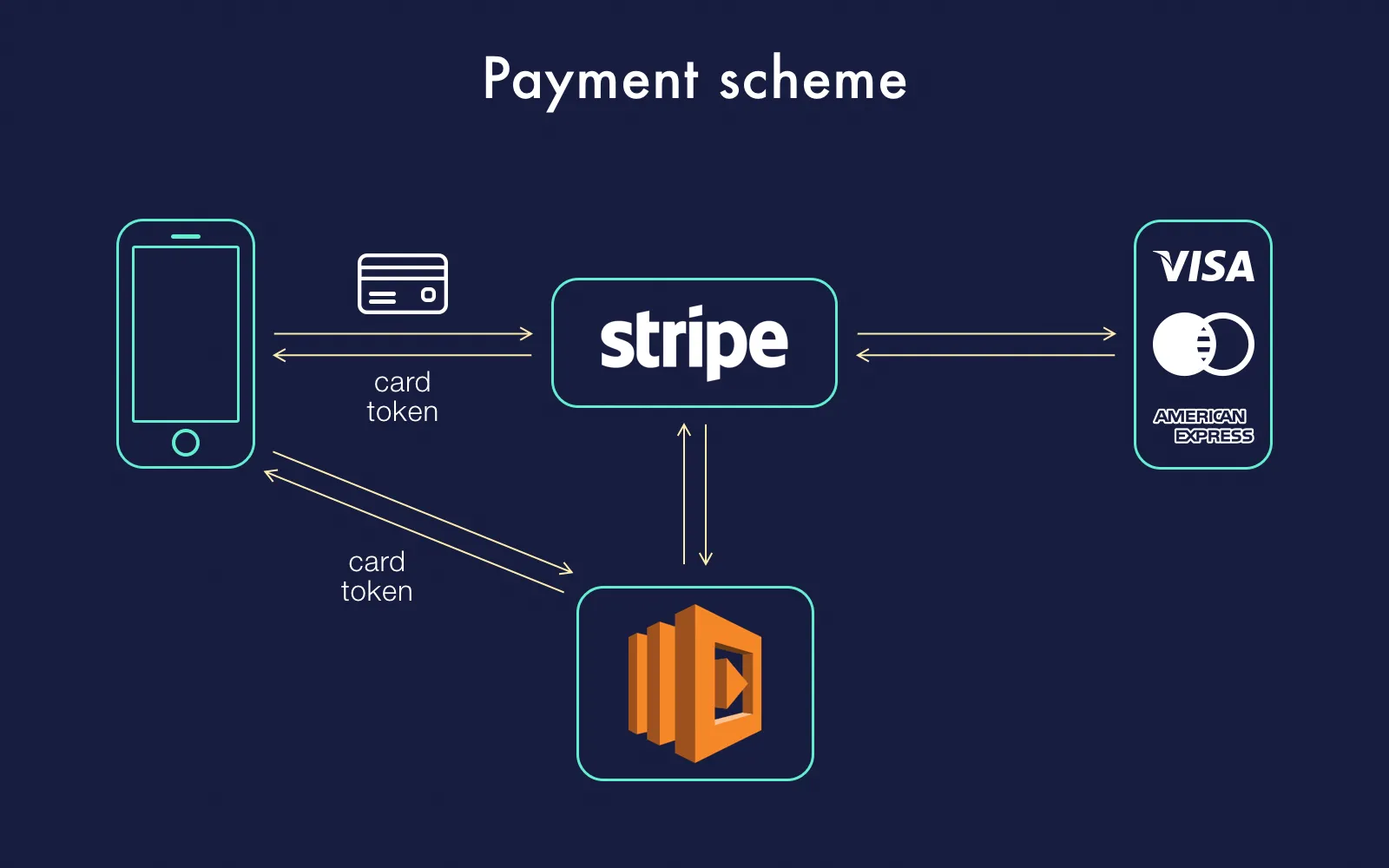
Integration with Ecommerce Platforms and Business Tools
Integrating a payment system with an existing website is an important consideration for digital store owners. A payment solution should work effectively with the store’s shopping cart, product catalog, customer database, and order management process. When these systems communicate properly, businesses can reduce repetitive administrative tasks and maintain more consistent transaction records.
Stripe Payment Gateway offers integration options for developers and businesses that want to connect payment functionality with their digital platforms. Depending on the available platform support, merchants can use existing integrations, hosted payment pages, or custom API-based development. This flexibility can help businesses avoid building every payment feature from the beginning. However, the complexity of implementation depends on the website technology, selected features, and the level of customization required.
For example, an ecommerce store might connect its payment system with inventory management so that successful orders can trigger stock updates. A digital education platform could connect payment records with student accounts, allowing customers to access purchased courses after successful payment confirmation. Similarly, a subscription-based company may connect billing information with its customer management software to organize renewals and account changes.
Before selecting an integration method, businesses should examine compatibility, maintenance requirements, available technical support, and the security of information exchanged between systems.
Understanding Payment Processing Costs and Pricing
Transaction costs are an important part of operating an online business. Even a small difference in processing fees can influence overall expenses when a store handles a large number of transactions. Business owners should understand how payment charges are calculated and whether additional costs apply to international payments, currency conversion, disputes, or optional services.
Stripe generally uses transaction-based pricing for its standard payment services, although rates vary by country and payment method. Its pricing structure also offers customized arrangements for certain businesses with larger payment volumes or specialized requirements. Therefore, merchants should review the pricing applicable to their own account instead of assuming that rates are identical across different countries.
For Indian businesses, the published pricing information distinguishes between domestic and international transactions. The standard pricing page lists a 2% fee for most cards issued in India and a 3% fee for cards issued outside India under the relevant domestic payment arrangement. Certain international payment arrangements have different charges, and currency conversion can involve an additional fee. These figures are subject to applicable terms and should be verified before budgeting.
A practical cost evaluation should consider the following factors:
-
Processing charges for domestic and international transactions.
-
Additional currency conversion costs where applicable.
-
Dispute-related fees and possible financial losses.
-
Expenses associated with optional billing or other services.
Businesses should calculate their expected monthly payment volume and compare it with the applicable charges. This makes it easier to understand the actual cost of processing payments instead of focusing only on the headline transaction rate.
Why Customer Experience Matters During Checkout
A convenient checkout process can influence how customers perceive an online business. Shoppers often compare products, prices, delivery options, and payment experiences before making a purchase. If the checkout process appears confusing or requires unnecessary information, some customers may decide not to complete their orders.
Stripe Payment Gateway can support different checkout experiences through hosted pages and customizable payment components. Features such as responsive layouts, payment information validation, and accelerated checkout options can help reduce unnecessary friction. The exact experience depends on the merchant’s configuration and the payment methods available to the customer.
Mobile compatibility deserves particular attention. Many customers browse and purchase products using smartphones, so payment pages should remain easy to use on smaller screens. Buttons should be clearly visible, information fields should be manageable, and payment instructions should be straightforward. Businesses should also test their checkout process on different browsers and devices to identify technical issues before they affect actual customers.
Clear communication after payment is equally important. Customers should receive appropriate confirmation, understand whether their order has been accepted, and know how to contact the business if a problem occurs. A transparent process can help build trust and encourage customers to return.
Challenges Businesses Should Consider Before Choosing a Payment Gateway
Although payment technology can simplify online transactions, businesses should not assume that every solution will meet all their requirements. Availability, pricing, technical compatibility, regulatory responsibilities, and customer payment preferences must be considered before implementation.
For Indian businesses in particular, checking account eligibility is essential. Stripe’s India services are currently invitation-only, and its support documentation explains that local payment method availability differs from what customers may find with other domestic providers. UPI, net banking, buy-now-pay-later options, and EMIs are not supported as local payment methods for Indian Stripe accounts according to its published guidance.
This distinction matters for stores whose primary customers are based in India. A business that depends heavily on UPI payments should evaluate whether the available payment methods match its audience. Similarly, a company focused on overseas customers should examine international transaction eligibility, documentation, settlement arrangements, and currency conversion expenses.
Other important considerations include integration maintenance, refund procedures, transaction disputes, and customer support. Businesses should also understand that a payment gateway cannot guarantee that every transaction will succeed or eliminate all fraudulent activity. Regular monitoring and responsible account management remain necessary.
The Future of Digital Payments and Online Commerce
The digital payment industry continues to evolve as ecommerce businesses adopt new technologies and customers become more comfortable with online transactions. Faster checkout experiences, digital wallets, automated billing, fraud detection, and international payment capabilities are becoming important parts of modern commerce. Businesses are also paying greater attention to personalized shopping experiences and the integration of payment services with wider financial operations.
Automation is expected to remain an important area of development. Instead of manually checking every transaction, businesses can use automated notifications, reporting systems, and payment workflows to manage routine activities. These tools can help teams spend more time improving products, supporting customers, and developing their businesses.
Stripe Payment Gateway fits into this changing environment by offering payment processing alongside additional services for billing, fraud management, and platform-based transactions. Its modular approach allows businesses to explore different capabilities according to their technical requirements and commercial goals. Nevertheless, the usefulness of any payment technology depends on how effectively it addresses the needs of its intended customers.
Another important development is the growing emphasis on payment transparency. Customers increasingly expect clear pricing, recognizable payment methods, understandable refund policies, and confirmation when transactions are completed. Businesses that pay attention to these expectations can create more dependable shopping experiences.
Conclusion
Choosing an appropriate payment solution is an important decision for every digital store. A well-organized payment process can simplify transactions, support business operations, and create a more convenient experience for customers. From one-time purchases and recurring subscriptions to international transactions and customized checkout pages, modern payment technology provides several opportunities for businesses to improve their online operations.
Stripe Payment Gateway offers flexible payment infrastructure that can support different business models through its checkout options, payment integrations, billing capabilities, and fraud monitoring tools. Its features can be useful for businesses looking to develop their digital commerce operations, although availability, transaction fees, and supported payment methods vary by location and account eligibility.