


Introduction
Managing payments and billing efficiently has become an essential part of running a successful business. As more customers prefer purchasing products and services online, companies need reliable payment solutions that make transactions convenient, secure, and easy to manage. From small online stores to expanding digital enterprises, businesses must handle customer payments, invoices, subscriptions, refunds, and financial records without creating unnecessary complications. A well-organized billing system can improve daily operations while allowing business owners to concentrate on customer satisfaction and long-term development.
The Stripe Payment Gateway is one of the well-known payment processing solutions designed to support businesses operating in the digital economy. It provides tools for accepting online payments, managing recurring transactions, creating invoices, and organizing payment information. Its flexible technology makes it suitable for different business models, including ecommerce stores, software companies, digital service providers, and subscription-based platforms. By bringing several payment management capabilities together, it can help businesses develop more organized financial workflows.
As digital commerce continues to evolve in 2026, companies are paying greater attention to payment flexibility, transaction security, automation, and customer experience. Customers expect smooth checkout processes, clear billing information, and convenient payment options. Businesses, meanwhile, want better visibility into their revenue and fewer manual administrative tasks. Understanding how modern payment technology works can help growing organizations choose a billing approach that supports their operational requirements.
Understanding Modern Online Billing Systems
Online billing involves more than simply collecting money from customers. It includes generating invoices, calculating payment amounts, recording transactions, managing subscriptions, handling refunds, and monitoring outstanding balances. When these activities are performed manually, businesses may experience delayed payments, inconsistent records, and unnecessary administrative work. A digital billing system helps organize these processes through centralized tools and automated workflows.
Modern payment platforms connect different parts of the purchasing experience. For example, when a customer places an order through an ecommerce website, the payment system processes the transaction and provides information about its status. The business can then use this information to confirm the order, update financial records, and manage the customer’s purchase history. This connected approach reduces the need to maintain separate systems for every payment-related activity.
Another important development is the growing use of automated billing. Businesses offering monthly memberships, online courses, software subscriptions, or maintenance services often need to collect payments regularly. Automated systems can create recurring invoices and attempt scheduled payments according to the subscription agreement. This makes billing more predictable for businesses and helps customers understand when payments are due.
How Stripe Payment Gateway Supports Growing Businesses
The Stripe Payment Gateway offers payment infrastructure that businesses can integrate into websites, applications, and other digital platforms. Its payment processing capabilities allow eligible businesses to accept supported payment methods while managing transaction information through a centralized environment. Companies can choose between prebuilt checkout experiences and more customized integrations, depending on their technical resources and business requirements.
One of its important advantages is flexibility. A small business may initially need a straightforward checkout page for selling individual products. As the company expands, it might introduce subscription plans, recurring invoices, or customized payment experiences. Instead of completely redesigning its payment infrastructure, the business can explore additional tools within the broader platform. This flexibility can be useful when a company wants to introduce new services without making its financial operations unnecessarily complicated.
The platform also provides payment-related reporting that can help business owners understand transaction activity. Reviewing successful payments, failed transactions, refunds, and revenue patterns gives companies a clearer picture of their financial performance. These insights can support better operational decisions, particularly when transaction volumes increase.
However, businesses should evaluate available features according to their country, account eligibility, payment methods, and pricing arrangements. Not every service is available in every market, so checking regional requirements before implementation is important.
Smart Billing Features That Improve Daily Operations
A modern billing solution should make routine financial activities easier rather than introducing additional complexity. Businesses need tools that support different payment situations, from one-time purchases to long-term customer subscriptions. Several capabilities can contribute to a more organized billing process.
Automated Invoice Generation
Creating invoices manually for every transaction can consume considerable time, especially when a company serves hundreds of customers. Digital invoicing tools help businesses generate professional invoices containing information such as customer details, product descriptions, payment amounts, and due dates. Depending on the configuration, invoices can be created individually or generated automatically through connected billing workflows.
Automated invoice generation also improves consistency. When businesses use standardized invoice formats, customers receive clearer payment information. Finance teams can review outstanding balances, identify overdue invoices, and maintain more organized transaction records. This becomes particularly valuable for consulting agencies, professional service providers, and companies working with long-term clients.
Recurring Payments and Subscription Management
Subscription-based business models have become increasingly common across digital industries. Streaming services, educational platforms, software companies, membership communities, and online service providers frequently charge customers at regular intervals. Managing these payments manually can become difficult as the subscriber base grows.
Stripe Payment Gateway works alongside subscription billing capabilities that help eligible businesses create recurring payment arrangements. Companies can establish billing intervals, configure subscription prices, and manage changes when customers upgrade or downgrade their plans. Proration capabilities can also help calculate adjustments when subscription changes occur during an existing billing period.
For example, a software company offering three subscription plans may allow customers to move from a basic package to a professional package. A structured billing system can calculate the applicable price adjustment and update the customer’s future billing schedule. This creates a more manageable experience for both the customer and the business.
Payment Reminders and Failed Transaction Recovery
Failed payments are a common challenge for businesses that depend on recurring revenue. A transaction may fail because a card has expired, a bank declines the payment, or the customer has insufficient available funds. If these problems remain unresolved, businesses can lose revenue even when customers still want to use their services.
Automated recovery tools can help address this issue by retrying eligible failed transactions and notifying customers when payment information needs attention. Stripe Billing includes features such as Smart Retries and expired card updates, subject to product availability and configuration. Businesses can use these capabilities to create more structured payment recovery processes instead of contacting every customer manually.
Important Payment and Billing Features at a Glance
Different businesses require different financial tools. Understanding the purpose of individual features can help organizations select capabilities that match their operating models.
| Feature | Purpose | Business Benefit |
|---|---|---|
| Online checkout | Accept payments through websites and applications | Creates a convenient purchasing experience |
| Digital invoicing | Generate and manage customer invoices | Improves billing organization |
| Subscription billing | Collect payments at regular intervals | Supports predictable recurring revenue |
| Payment reminders | Notify customers about outstanding payments | Helps reduce delayed collections |
| Payment recovery | Retry eligible failed transactions | Provides opportunities to recover revenue |
| Billing reports | Review transaction and subscription activity | Supports financial planning |
| Customer portal | Allow customers to manage billing details | Reduces routine support requests |
These capabilities are particularly useful when businesses want to bring multiple payment activities into one organized workflow. However, the actual benefits depend on implementation quality, customer behavior, and the specific features included in the selected plan.
Improving Customer Experience Through Convenient Payments
Customer experience plays an important role in online business growth. Even when a company offers high-quality products, a complicated checkout process can discourage potential buyers from completing their purchases. Customers generally prefer payment experiences that are clear, responsive, and easy to understand.
A well-designed checkout page should display the purchase amount, relevant product details, and available payment methods without unnecessary distractions. Customers should also receive understandable confirmation after completing a transaction. These small improvements help establish trust and reduce uncertainty during the purchasing process.
The Stripe Payment Gateway provides hosted checkout and customizable payment components that businesses can use according to their technical requirements. Hosted checkout can reduce the amount of payment interface development required, while customizable components provide greater control over the purchasing experience. Businesses should select the approach that offers the right balance between development effort, branding requirements, and customer convenience.
Mobile optimization is another important consideration. Many customers browse products, compare prices, and complete purchases through smartphones. A payment experience that works smoothly across different screen sizes can make online shopping more convenient. Businesses should test their checkout pages on multiple devices and ensure that payment instructions remain readable and understandable.
Payment Security and Transaction Protection
Security is one of the most important considerations when handling online payments. Customers expect businesses to protect sensitive financial information and process transactions responsibly. A payment-related security incident can damage customer confidence and create financial or regulatory complications.
Payment platforms use several security mechanisms to support safer transactions. These may include encryption, authentication processes, fraud detection, and secure payment data handling. Stripe provides security infrastructure and PCI DSS-related support, although businesses must still understand and meet their own compliance responsibilities.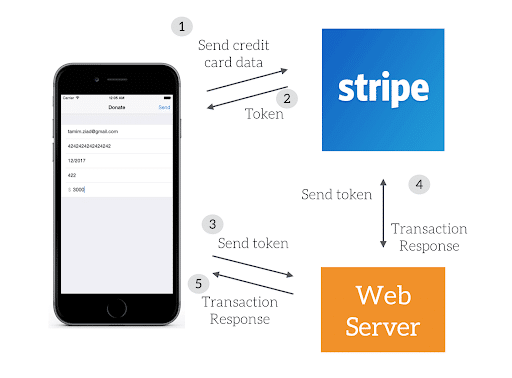
Fraud prevention is particularly important for online stores that receive payments from customers across different locations. Suspicious transactions may involve stolen card details, unusual purchasing patterns, or repeated payment attempts. Tools such as Stripe Radar can help eligible businesses identify potentially fraudulent activity using information from the payment network.
Businesses should also maintain responsible internal practices. Restricting dashboard access, using strong authentication, reviewing account activity, and keeping software updated can strengthen overall security. Payment protection should be treated as an ongoing responsibility rather than a one-time setup activity.
Supporting International Payments and Business Expansion
Digital businesses are no longer limited to customers within their immediate geographical markets. An online company may sell products to international customers, provide software services to overseas clients, or operate a subscription platform serving multiple countries. Managing these transactions requires an understanding of currencies, payment methods, regional regulations, and settlement arrangements.
Stripe Payment Gateway offers international payment capabilities in supported markets, allowing eligible businesses to accept payments through supported currencies and payment methods. Its broader infrastructure is designed to help companies manage transactions across different regions through a unified integration. This can reduce the complexity of maintaining separate payment systems for every market.
However, international payment acceptance involves more than enabling additional currencies. Businesses should consider foreign exchange costs, card processing fees, settlement timelines, chargeback procedures, and applicable tax requirements. Customers may also have different payment preferences depending on their location. A payment method popular in one country may not be widely used in another.
For Indian businesses, regional eligibility deserves particular attention. As of November 2026, Stripe’s published India guidance describes its services as invite-only for Indian businesses. Its India-specific payment support also differs from its global offerings. For example, UPI and net banking are not listed as supported local payment methods for Indian Stripe accounts. Companies operating in India should therefore verify account eligibility and supported payment options before making implementation decisions.
Pricing Considerations and Business Costs
Payment processing costs can directly affect business profitability. Before choosing a payment provider, companies should understand how transaction charges are calculated and whether additional services involve separate fees. A solution that appears inexpensive initially may become more costly when transaction volumes increase or additional billing features are introduced.
Stripe’s published standard pricing for India distinguishes between domestic and international card transactions, with different rates applying according to the payment type. Currency conversion and certain specialized services may involve additional charges. Billing products can also have separate pricing arrangements depending on the features used.
Businesses should evaluate costs using their expected monthly transaction volume rather than considering only the percentage charged on an individual payment. For example, a company processing a small number of high-value international transactions may have different cost priorities from an online store processing thousands of smaller domestic orders.
Important factors to examine include:
- Domestic and international transaction charges.
- Currency conversion and applicable additional fees.
- Separate subscription billing or invoicing costs.
- Refund, dispute, and chargeback-related expenses.
- Potential volume-based or customized pricing arrangements.
A realistic cost comparison should include both direct processing fees and the operational savings generated through automation. Reducing manual work, improving payment collection, and maintaining organized records can contribute to overall efficiency.
Practical Examples of Billing for Different Industries
The usefulness of a digital billing platform becomes easier to understand when considering how different industries manage payments.
An ecommerce company, for example, may sell clothing, electronics, or household products through its website. It needs a checkout system that can process customer orders, confirm successful payments, and maintain transaction records. Automated payment notifications and organized reporting can help the company manage daily sales more effectively.
A software development company may follow a completely different model. Instead of selling individual products, it might charge customers monthly or annually for access to its services. Subscription management tools can help the company maintain billing schedules, manage plan changes, and handle payment failures. This reduces repetitive administrative tasks as the subscriber base expands.
Consulting agencies and professional service providers may benefit more from invoicing capabilities. They frequently work with clients on projects that involve different prices, milestones, and payment deadlines. Digital invoices provide a consistent way to communicate payment expectations and track outstanding balances.
Educational businesses can also benefit from structured billing. An online learning platform offering paid memberships may need recurring payments, trial periods, and different subscription levels. A centralized billing process can make it easier to manage these arrangements while providing customers with clearer payment information.
Best Practices for Implementing a Smart Billing System
Choosing a payment platform is only the first step. Businesses must also configure their billing processes carefully to achieve reliable results. A rushed implementation can create problems involving payment confirmation, duplicate transactions, incorrect invoice details, and customer communication.
Start by identifying the payment activities that require automation. A business that sells individual products may prioritize checkout and transaction reporting, whereas a subscription company may need recurring billing and payment recovery. Selecting features according to actual requirements helps prevent unnecessary complexity.
Testing is equally important. Companies should examine successful payments, declined transactions, refunds, subscription changes, and invoice notifications before launching a new payment workflow. Test environments can help developers identify technical issues without relying on real customer transactions.
Businesses should also review their billing performance regularly. Payment success rates, overdue invoices, refund patterns, and recurring revenue provide useful information about the effectiveness of their financial processes. These measurements can highlight areas that need improvement and help companies make informed decisions.
Finally, customers should always receive clear information about prices, billing intervals, renewal dates, and cancellation conditions. Transparent communication reduces misunderstandings and creates a more trustworthy relationship between businesses and their customers.
Challenges Businesses Should Consider Before Choosing a Payment Platform
Although digital payment technology offers several advantages, no payment solution is suitable for every business automatically. Companies should examine their technical capabilities, geographical requirements, payment preferences, and operational budgets before making a decision.
Integration complexity can be a concern for organizations with customized websites or older financial systems. Although prebuilt checkout options can simplify implementation, advanced workflows may require developer involvement. Businesses should also consider whether their existing accounting software can connect with the payment platform or whether additional integration work will be necessary.
Regional availability is another important limitation. Supported payment methods, account registration requirements, settlement options, and regulatory obligations vary between countries. A business should never assume that a feature advertised globally will automatically be available in its local market.
Customer support and transaction dispute management also deserve attention. Companies need clear procedures for responding to payment complaints, investigating disputed transactions, and issuing appropriate refunds. A payment platform can provide supporting tools, but the business remains responsible for maintaining effective customer service practices.
The Future of Smart Billing for Growing Businesses
The digital payments industry continues to develop as companies look for more efficient ways to manage financial operations. Automation, data analytics, flexible subscription models, and improved fraud detection are becoming increasingly important components of modern billing systems.
Artificial intelligence and machine learning are also influencing payment management. These technologies can help identify unusual transaction patterns, improve fraud detection, and support payment recovery decisions. However, businesses should evaluate these tools based on their actual performance and ensure that automated decisions are monitored appropriately.
Another developing trend is the demand for flexible pricing. Customers increasingly encounter businesses offering monthly subscriptions, annual memberships, usage-based charges, and customized service packages. Billing infrastructure must support these different models without making the customer experience confusing.
The Stripe Payment Gateway and its wider billing ecosystem reflect this movement toward connected payment and revenue management. As businesses expand, the ability to combine payment acceptance, invoicing, subscription administration, and reporting can become increasingly valuable. Nevertheless, successful implementation will continue to depend on choosing appropriate features, understanding regional requirements, and maintaining transparent financial practices.
Conclusion
Smart billing has become an important part of building and managing a successful digital business. Companies need more than a basic payment collection system; they require organized processes for handling transactions, generating invoices, managing subscriptions, monitoring revenue, and responding to payment issues. Modern payment infrastructure can make these responsibilities easier by reducing manual work and improving financial visibility.
The Stripe Payment Gateway offers a range of payment processing and billing capabilities that can support businesses with different operational requirements. Its checkout options, invoicing tools, subscription management features, and payment recovery capabilities provide opportunities to create more structured financial workflows. These features can be particularly useful for ecommerce companies, software providers, consultants, and subscription-based organizations.