


Growing brands need payment systems that can do more than simply accept a card. As businesses expand across websites, mobile apps, subscriptions, marketplaces, and international markets, their payment infrastructure must remain reliable, flexible, and easy to manage. Stripe provides a broad ecosystem of tools designed to support these changing requirements while giving businesses ways to improve checkout experiences and organize financial operations.
For startups, online stores, software companies, service providers, and digital platforms, choosing the right payment tools can influence conversion rates, customer satisfaction, cash flow, and operational efficiency. A strong payment setup should support different payment methods, recurring billing, refunds, fraud prevention, reporting, and automated workflows without creating unnecessary complexity.
Understanding the Payment Needs of Growing Brands
A small business may begin with a simple online checkout, but its payment requirements usually become more sophisticated as the customer base grows. More orders can create additional reconciliation work, while international customers may require different currencies and payment methods. Subscription businesses face another challenge because recurring charges must be handled consistently over time.
Stripe can serve as a foundation for these different payment scenarios because its ecosystem covers several parts of the transaction journey. Instead of treating payment collection as an isolated function, businesses can connect checkout, billing, customer information, fraud protection, and reporting into a broader financial workflow.
The right approach depends on the business model. An online retailer may prioritize fast checkout and multiple payment options, while a software company may focus more heavily on subscriptions, invoices, and automated billing. Understanding these differences helps a brand select only the tools it genuinely needs.
Key Tools That Support Business Growth
Payment infrastructure becomes more valuable when it solves several operational challenges at once. Growing brands can build a more organized system around areas such as:
- Online and mobile payment acceptance
- Recurring subscriptions and automated billing
- Invoicing and payment collection
- Fraud detection and transaction monitoring
- Customer and payment data management
- Financial reporting and reconciliation
These capabilities can reduce repetitive administrative work while creating a smoother experience for customers. A business does not necessarily need every available feature from the beginning. It can start with essential payment functions and expand its setup as transaction volume and operational requirements increase.
Checkout Experiences That Reduce Friction
The checkout page is one of the most important points in the customer journey. Complicated forms, limited payment methods, unclear pricing, or unexpected steps can discourage customers from completing purchases.
Stripe provides tools that allow businesses to create streamlined payment experiences across different digital channels. Depending on the business model, a company can offer card payments, digital wallets, bank-based methods, and other supported options. Providing relevant payment choices can be particularly useful when serving customers in different markets.
A growing brand should also consider the design surrounding the payment process. Clear product information, transparent pricing, mobile-friendly layouts, recognizable payment options, and straightforward error messages can all contribute to a better checkout experience.
Subscription Billing for Recurring Revenue
Recurring revenue models require more than simply charging customers every month. Businesses must manage plans, billing cycles, upgrades, downgrades, failed payments, invoices, trials, and cancellations.
Stripe Billing is designed around these recurring payment requirements. Companies offering software subscriptions, memberships, online services, educational platforms, or other recurring products can use structured billing workflows instead of manually managing each transaction.
A well-designed subscription system can also make pricing more flexible. Brands may offer monthly and annual plans, usage-based pricing, tiered packages, or combinations of fixed and variable charges. This flexibility can help businesses test different commercial models without rebuilding their entire payment process.
Invoicing and Business Payment Collection
Not every business sells through a conventional checkout. Agencies, consultants, professional service companies, and B2B organizations often rely on invoices.
Stripe supports invoicing workflows that can make it easier to request payment from customers and maintain records of outstanding balances. Businesses can establish repeatable processes for issuing invoices, monitoring payment status, and following up when necessary.
This is particularly useful as a company grows because manual invoice tracking can become increasingly time-consuming. A centralized payment workflow gives finance teams better visibility into what has been paid, what remains outstanding, and where follow-up may be required.
Fraud Prevention and Transaction Security
Growth also brings greater exposure to payment fraud. Suspicious transactions, stolen payment details, account abuse, and unusual purchasing patterns can create financial losses and damage customer trust.
Stripe Radar uses machine-learning-based signals and transaction data to help businesses identify potentially fraudulent activity. The objective is not simply to reject questionable transactions but to help businesses balance security with legitimate customer access.
Fraud prevention should be treated as an ongoing process rather than a one-time configuration. Businesses should review transaction patterns, monitor disputes, understand their customer base, and adjust controls as their risk profile changes.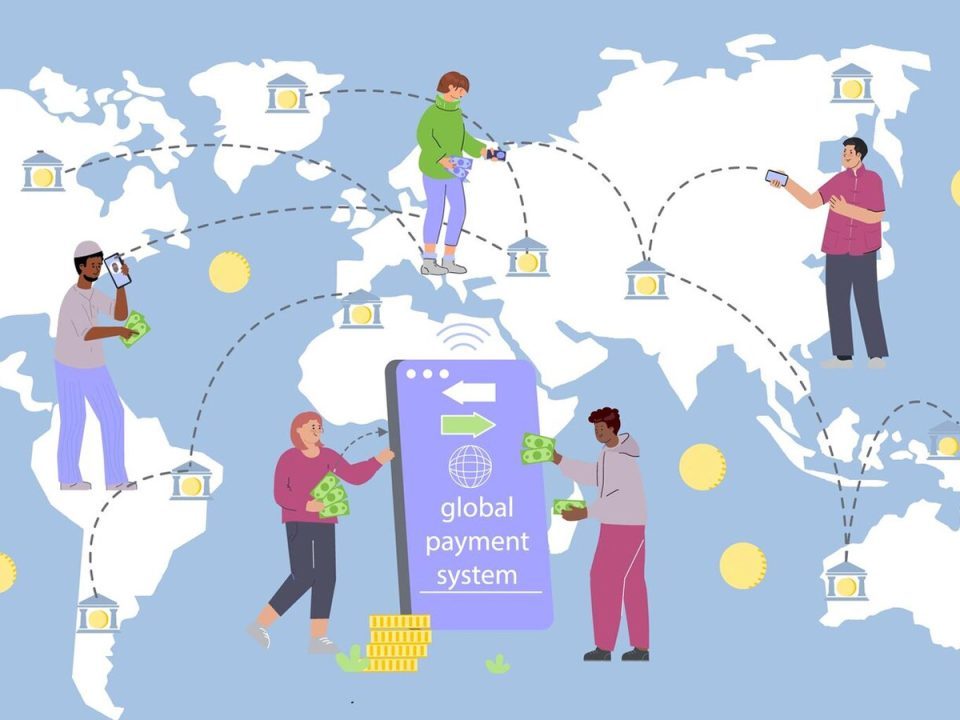
Comparing Useful Payment Capabilities
Different brands have different priorities. The following table provides a practical overview of common payment capabilities and the types of businesses that may benefit from them.
| Payment Capability | Primary Purpose | Useful For |
|---|---|---|
| Online Checkout | Accept digital payments | Retailers and online stores |
| Subscription Billing | Manage recurring charges | SaaS and membership businesses |
| Invoicing | Request and track payments | Agencies and B2B services |
| Payment Links | Share simple payment options | Small businesses and campaigns |
| Fraud Prevention | Identify suspicious activity | High-volume online sellers |
| Reporting | Review payment activity | Finance and operations teams |
| International Payments | Support global customers | Expanding brands |
The best setup is usually the one that matches the company’s actual sales process. Adding unnecessary tools can increase complexity, while failing to address an important requirement can create operational problems later.
Scaling International Payment Operations
International expansion introduces additional considerations, including currencies, payment preferences, taxation, compliance requirements, and settlement processes. A payment platform that works well in one market may need additional configuration when a company begins serving customers elsewhere.
Stripe supports international payment workflows across many markets, allowing eligible businesses to accept different currencies and payment methods. However, companies should still investigate local regulations, tax obligations, business requirements, and customer expectations before entering a new market.
Localization also extends beyond currency. Checkout language, payment preferences, pricing presentation, receipts, and customer support can all influence how comfortable international buyers feel when completing a transaction.
Using Data to Improve Payment Performance
Payment data can provide useful business insights beyond basic revenue totals. Brands can examine successful payments, failed transactions, refunds, disputes, recurring revenue, and customer payment behavior to identify operational opportunities.
For example, a high number of failed recurring payments may indicate a need for better payment-recovery processes. A large volume of abandoned checkouts may encourage a business to review the checkout experience. Frequent refunds in a particular product category could signal a product, pricing, or customer-expectation issue.
Stripe Dashboard and related reporting capabilities can help teams organize payment information and monitor financial activity. When payment data is connected with broader business reporting, decision-makers can gain a clearer picture of revenue performance and customer behavior.
Integrating Payments With Business Systems
Growing companies rarely operate through a single application. They may use customer relationship management platforms, accounting software, inventory systems, analytics tools, help desks, and internal databases.
Stripe offers APIs and integrations that can connect payment processes with broader business workflows. Developers can build customized experiences when standard checkout options are not sufficient, while available integrations can reduce development requirements for common use cases.
However, customization should have a clear purpose. A highly customized payment system may provide greater control but can also require additional maintenance, testing, monitoring, and security work. Businesses should therefore choose customization based on genuine operational needs rather than adding complexity simply because it is technically possible.
Creating a Future-Ready Payment Strategy
A scalable payment strategy should begin with the customer journey and business model rather than with individual features. Before implementing new tools, companies should identify how customers pay, where transactions occur, which billing models are required, and what finance teams need to manage afterward.
Stripe can become more effective when businesses treat payment infrastructure as part of their overall digital strategy. Checkout, subscriptions, fraud prevention, invoicing, reporting, and integrations should work together instead of operating as disconnected processes.
Businesses should also regularly review transaction performance and customer feedback. Payment technology changes quickly, and customer expectations evolve alongside it. Periodic reviews can help brands identify outdated processes, unnecessary steps, or new opportunities to improve the payment experience.
Conclusion
Growing brands need payment infrastructure that can evolve alongside their customers, products, and revenue models. Stripe offers a wide range of capabilities covering checkout, recurring billing, invoicing, fraud prevention, reporting, and international transactions.
The most effective strategy is not to adopt every available feature but to build a payment environment around genuine business requirements. By combining convenient checkout experiences, reliable billing processes, thoughtful security controls, useful financial data, and carefully selected integrations, growing companies can create a payment operation that supports both present needs and future expansion.